The intersection of artificial intelligence, modern cinema, and high-concept marketing has yielded one of the most provocative promotional campaigns of the upcoming film season. NEON, the independent distribution powerhouse known for prestige releases such as Parasite and Anatomy of a Fall, has unveiled a new promotional poster for director Luca Guadagnino’s highly anticipated drama, Artificial. The film, which centers heavily on the cultural and existential ripples of generative artificial intelligence, stars Andrew Garfield as OpenAI Chief Executive Officer Sam Altman.
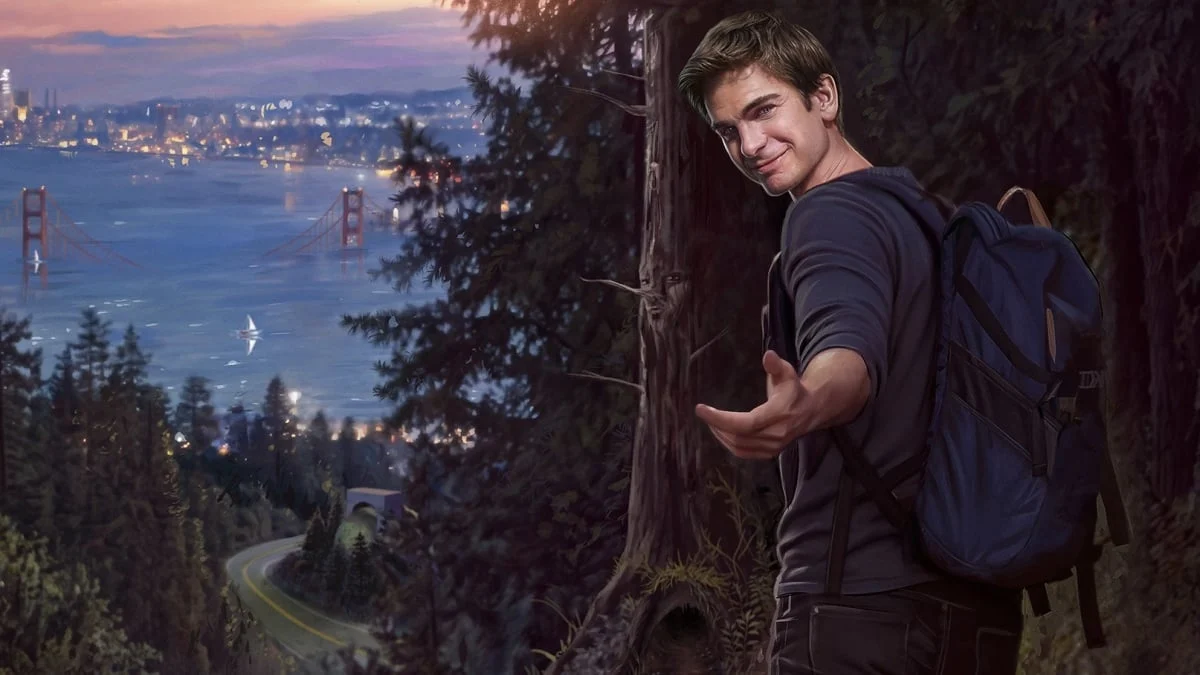
The newly released illustrated one-sheet places Garfield’s likeness of Altman within a towering redwood forest overlooking the San Francisco Bay. With an outstretched hand, the tech executive appears to gesture toward an ambiguous horizon, inviting viewers into an unwritten and potentially perilous future. Yet, the initial visual impact of the poster relies on a profound sense of cognitive dissonance. Designed to evoke the unsettling perfection and structural anomalies of early-generation AI-generated imagery, the artwork intentionally flirts with the boundaries of the uncanny valley.
A Masterclass in Satirical Marketing
Upon first glance, viewers might mistake the promotional asset for a standard digital photograph captured along the Northern California coastline. However, closer inspection reveals the deliberate artifacts characteristic of algorithmic art generation: a redwood tree subtly morphing into a distorted facial silhouette, a grassy embankment bleeding illogically into a subterranean tunnel, and an uncanny gloss over Altman’s expression that has drawn online comparisons to stylized cinematic tropes.
This calculated aesthetic choice immediately sparked widespread debate across social media platforms regarding its origin. Given the subject matter of Artificial—a cautionary narrative examining the rapid, unchecked integration of artificial intelligence into the fabric of human society—industry observers initially questioned whether NEON had ironically bypassed human artists to utilize generative tools for its promotional material. Such a misstep would have invited severe backlash from a creative community that has spent years protesting the encroachment of generative models on traditional artistic labor.
Fortunately for the studio, the controversy was swiftly put to rest. A discreet line of fine print along the bottom right margin of the poster clarifies that the work was entirely human-created. To dispel any lingering skepticism, NEON subsequently published a behind-the-scenes timelapse video documenting the digital illustration process. The studio credited the creative agency Gravillis Inc. and digital artist Mike Thompson for the conception and execution of the piece, proving that the uncanny aesthetic was a triumph of human mimicry rather than algorithmic shortcutting.
Audience reception on platforms such as Instagram was largely favorable once the human authorship was confirmed. Commenters praised the conceptual bravery of employing an artist to satirize the aesthetic markers of the technology the film critiques. "Poster meant to look like AI, but still has the humanity of an artist, so it’s still pretty to look at," one user observed, capturing the sentiment of a public growing increasingly fatigued by genuine generative clutter in commercial spaces.
Deconstructing the Subtext: Environmental and Societal Implications
Beyond the immediate visual gimmick, the poster offers critical thematic clues regarding the ideological stance of Artificial. Far from adopting a neutral or celebratory posture toward technological accelerationism, the background of the image reveals a grim ecological subtext. The iconic Golden Gate Bridge is depicted as partially submerged beneath rising waters, signaling a dystopian trajectory tied directly to environmental collapse or unchecked infrastructural hubris.
This visual motif reinforces the notion that Guadagnino’s film will serve as an earnest cautionary tale rather than a corporate-sanctioned hagiography of Silicon Valley leadership. By casting Garfield as a visionary whose utopian promises may mask catastrophic environmental and social consequences, the production signals a willingness to engage in hard-hitting contemporary satire.
The intersection of biographical drama and immediate contemporary history represents a bold frontier for Guadagnino, a filmmaker celebrated for his visceral explorations of human desire and psychological tension in works such as Call Me by Your Name, Challengers, and the remake of Suspiria. Tackling a living public figure like Sam Altman—whose stewardship of OpenAI has placed him at the center of global debates concerning artificial general intelligence (AGI), labor displacement, and safety protocols—demands a delicate balance between dramatic license and cultural commentary.
Release Schedule and Distribution Strategy
NEON has structured the theatrical rollout of Artificial to maximize both critical momentum and awards-season viability. The film is scheduled to open in select theaters on December 25, positioning it directly within the competitive holiday release window typically reserved for prestige cinema. Following its initial qualifying run, the distribution footprint will expand significantly on January 8, allowing the studio to capitalize on word-of-mouth engagement and early critical reviews.
The decision to pair a high-profile winter release with an unconventional, meme-literate marketing campaign underscores NEON’s mastery of modern film distribution. In an era where traditional billboard advertising often struggles to cut through digital noise, generating viral discourse around the authenticity of a promotional poster ensures sustained organic reach across social media channels.
Broader Industry Context and the Cultural Shadow of AI
The rollout of Artificial arrives at a moment of profound anxiety within the entertainment and technology sectors. The rise of generative AI models capable of producing convincing text, audio, and visual assets has fundamentally disrupted Hollywood. The 2023 labor strikes led by the Writers Guild of America (WGA) and SAG-AFTRA were heavily defined by demands for regulatory guardrails against the unregulated use of artificial intelligence in scriptwriting, performance replication, and post-production workflows.
Against this backdrop, a major studio film about the architects of the AI revolution carries immense cultural weight. By utilizing traditional illustration to parody the very aesthetic markers that threaten traditional artists, NEON has successfully positioned Artificial not merely as a cinematic product, but as an active participant in the ongoing cultural negotiation over the future of human creativity.
As audiences prepare to experience Guadagnino’s vision when the film hits select theaters this Christmas, the marketing campaign has already achieved its primary objective: forcing viewers to question the boundary between human artistry and machine replication before they even purchase a ticket. Whether the film itself can match the provocative sharpness of its promotional rollout remains one of the most anticipated questions of the upcoming cinematic calendar.