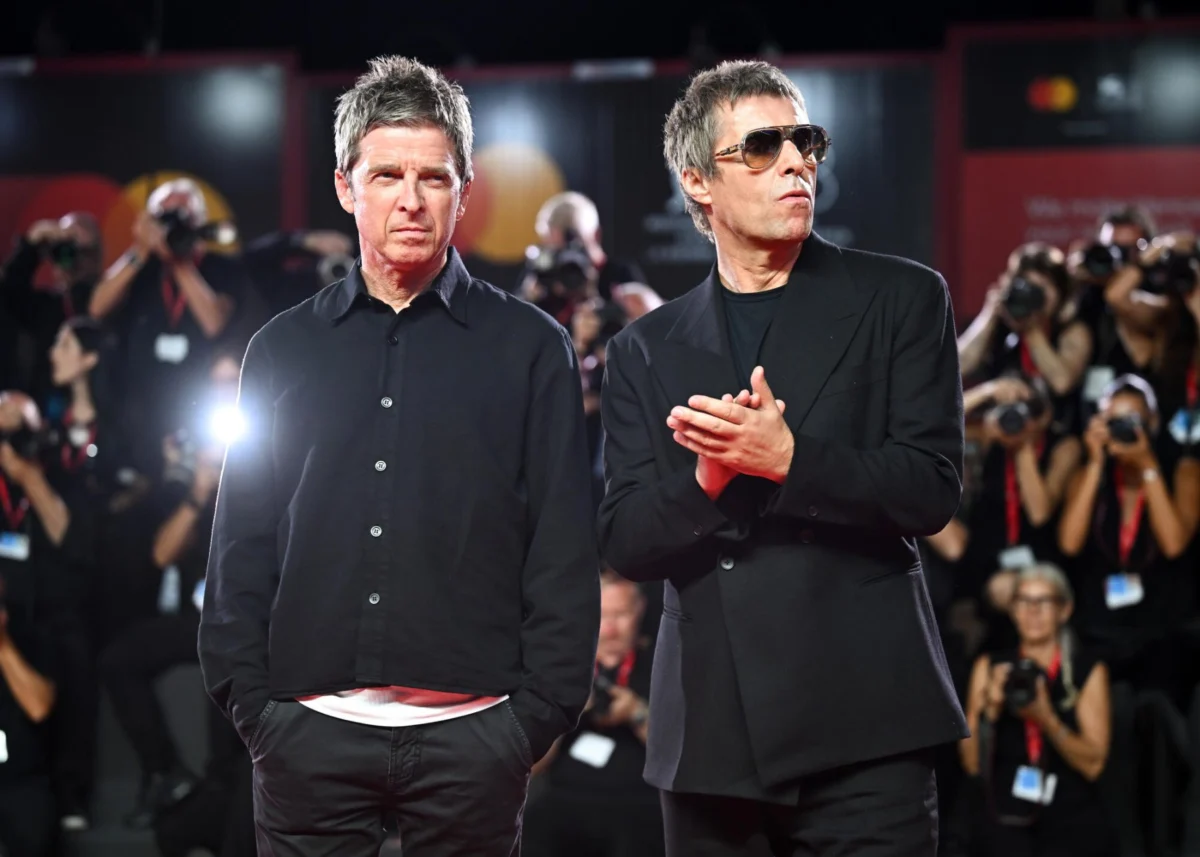
The landscape of modern rock music has undergone a seismic shift as the Gallagher brothers, Liam and Noel, continue their unprecedented professional reconciliation. Following a 15-year period of creative silence and public acrimony that defined the post-Britpop era, the Manchester icons have successfully transitioned from a tentative reunion to a multi-year global phenomenon. This expansion, now extending into 2027, signifies one of the most lucrative and culturally significant revivals in contemporary music history.
A Chronology of the Oasis Renaissance
The trajectory of the Oasis reunion has been marked by strategic pacing and high-profile multimedia integration. For over a decade, industry analysts and millions of fans considered a reunion to be an impossibility, given the public nature of the band’s dissolution in 2009 following a backstage altercation at the Rock en Seine festival in Paris.
The thaw in relations began in earnest throughout 2024, culminating in the formal announcement of the Live ’25 tour. This initial run of stadium dates served as a proof-of-concept for the band’s enduring marketability. The momentum accelerated further at the Venice International Film Festival earlier this month, where the brothers appeared together on the red carpet for the world premiere of Don’t Look Back in Anger. The documentary, which provides an intimate look at the logistics and emotional complexities of their reunion tour, served as the launchpad for their latest announcement.
On Monday, the band confirmed an additional 38 stadium dates for 2027. The tour is scheduled to commence in May in Glasgow, progressing through a series of major international venues before concluding in September at the historic Knebworth Festival in England. Notably, the expansion includes two highly anticipated United States dates in Boston and Las Vegas, signaling a renewed focus on the North American market.
Supporting Data and Market Impact
The decision to extend the tour through 2027 is underpinned by overwhelming demand metrics. During the initial ticket releases for the 2025 dates, secondary market platforms and primary vendors reported traffic spikes that exceeded available inventory by thousands of percentage points.
Industry data suggests that the Oasis reunion is generating a secondary economic impact similar to that of the Taylor Swift Eras Tour, albeit within the context of rock music demographics. By securing dates in major global hubs, the band is leveraging the "nostalgia economy," where ticket prices and auxiliary merchandise sales have reached record highs. The addition of U.S. dates is a calculated move to capitalize on the band’s enduring, if previously untapped, American fan base, which has grown significantly through streaming platforms despite the band’s long absence from the tour circuit.
Strategic Implications of the 2027 Extension
The multi-year nature of this reunion is a departure from traditional legacy act tour models. Typically, bands reuniting after a long hiatus embark on a single, intensive tour cycle. By spacing the tour across three calendar years—2025, 2026 (for the documentary release), and 2027—the Gallagher brothers and their management are effectively treating Oasis as a functioning business entity rather than a fleeting project.
The documentary component, Don’t Look Back in Anger, serves as more than a promotional tool; it functions as a narrative bridge. By documenting the reconciliation process, the band is curating a public image of maturity and professional cooperation. This shift in branding is essential to maintaining the premium pricing required for stadium-level ticket sales. Analysts note that this strategy minimizes the risks associated with the band’s historically volatile internal dynamic by keeping the focus on the product—the music—rather than the personalities.
Industry Context: The Pop Landscape
While Oasis dominates the rock discourse, the broader music industry continues to experience rapid shifts in chart dominance. On the most recent edition of the Billboard Pop Shop Podcast, analysts Katie Atkinson and Keith Caulfield highlighted the continued success of country-pop crossover artists. Ella Langley has achieved a significant milestone, returning to the No. 1 spot on the Billboard 200 albums chart with her latest project, Dandelion. Simultaneously, her single "Choosin’ Texas" has tied the record for the most weeks atop the Billboard Hot 100, illustrating the genre-blurring reality of modern radio play.
The podcast also examined the performance of other industry titans, including Adele, Beyoncé, Ariana Grande, and Karol G, all of whom continue to maintain significant market share. Furthermore, the industry is currently observing the debut of Miley Cyrus’s latest single, which follows her pattern of successful reinventions. These data points collectively illustrate that while legacy acts like Oasis are capturing headlines through massive tour announcements, the streaming and broadcast charts remain highly competitive and driven by a diverse array of contemporary artists.
The Human Element: Resilience and Performance
Beyond the commercial metrics, the human side of the music industry remains a focal point for fans. The recent commencement of Celine Dion’s Paris residency serves as a poignant reminder of the emotional connection between artists and their audiences. Reports from her opening night detailed a highly charged performance, featuring an a cappella rendition of "All By Myself." Such moments of vulnerability often catalyze interest in concert tours, reinforcing the value of the live experience in an era increasingly dominated by digital consumption.
For the Gallagher brothers, the challenge will be to maintain this level of engagement throughout the 2027 cycle. The professional relationship between Liam and Noel has been the central narrative of their career since 1994. By successfully managing this relationship in a public capacity, they have managed to elevate their brand from a defunct 90s rock group to a premier global entertainment act.
Future Outlook
Looking toward 2027, the success of the Oasis tour will likely hinge on the band’s ability to deliver consistent performances and navigate the logistical demands of global travel. The addition of the Knebworth finale is particularly symbolic; the venue is synonymous with the band’s 1996 peak, representing a "full circle" moment that will likely serve as the definitive climax of their reunion narrative.
For the concert industry, the Oasis expansion provides a template for how legacy bands can maximize revenue and relevance in the digital age. By integrating long-form documentary content with a multi-year, staggered touring schedule, they have effectively mitigated the "flash-in-the-pan" risk that often plagues reunion tours.
As the music industry continues to evolve, the Oasis case study offers a clear lesson: when the demand is sufficiently high and the narrative is managed with precision, the potential for growth—even after a decade and a half of silence—is virtually limitless. The forthcoming 2027 dates are expected to generate further record-breaking sales, ensuring that the legacy of the band remains firmly embedded in the global cultural consciousness for the foreseeable future.