
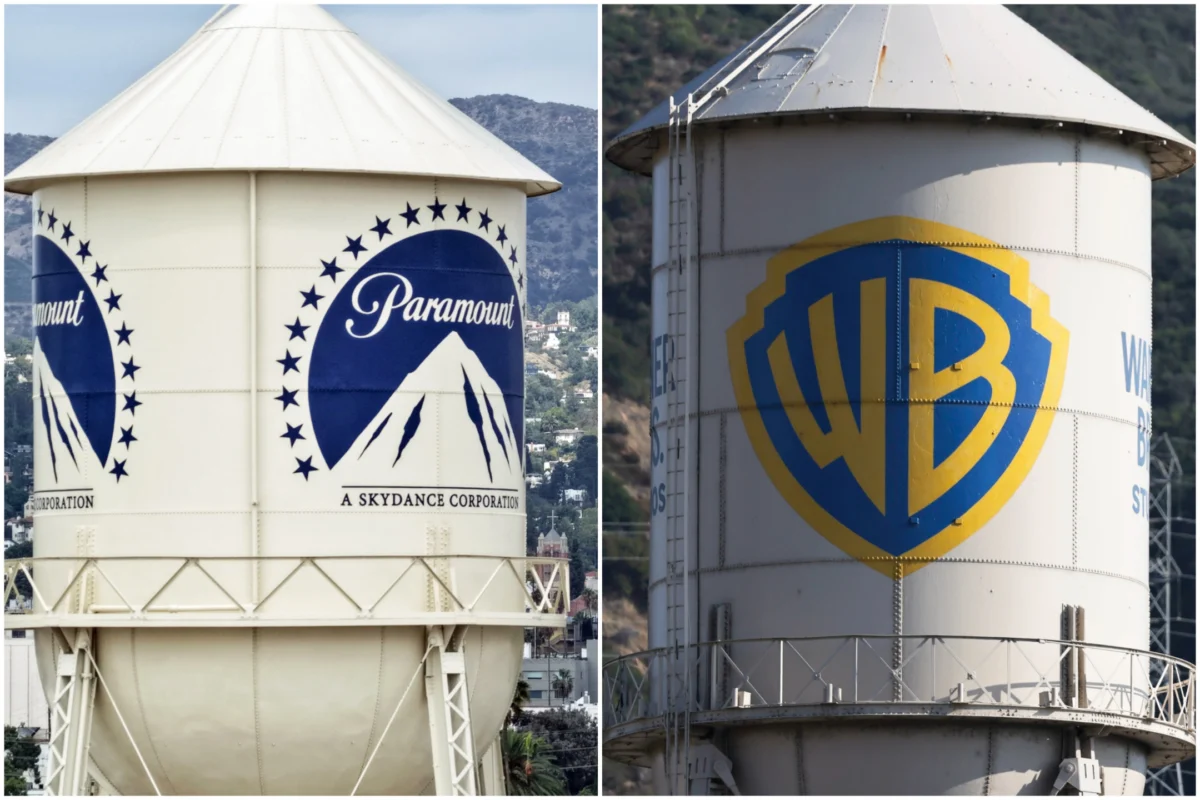
The landscape of global media and entertainment is on the cusp of an unprecedented transformation as Paramount Skydance accelerates preparations for the finalization of its massive $111 billion acquisition of Warner Bros. Discovery. While the megamerger is not yet an absolute certainty and remains subject to final closing conditions, corporate maneuvers signaled in recent regulatory filings indicate that executives are positioning the combined entity for a seamless transition. Among the most prominent developments is a planned corporate migration from the Nasdaq Global Select Market to the New York Stock Exchange, accompanied by an intricate warrants distribution strategy designed to reward existing shareholders and align them with the high-profile equity syndicate backing the deal.
Regulatory Milestones and the Path to Consolidation
The monumental transaction has traversed a labyrinth of regulatory scrutiny, corporate restructuring, and high-stakes legal negotiations since its initial conceptualization. Media industry analysts have closely monitored the progression of the Paramount Skydance and Warner Bros. Discovery union, viewing it as one of the most defining corporate consolidations of the modern era. The creation of this combined colossus brings together legacy Hollywood studios, extensive television networks, formidable streaming platforms, and vast intellectual property libraries under a single corporate umbrella.
In an SEC filing released on Friday, Paramount outlined the corporate mechanics required to facilitate the next phase of its evolution. Central to this strategy is the voluntary withdrawal of its Class B common stock from the Nasdaq Global Select Market, where it has traded under the ticker symbol PSKY. The company’s board of directors formally determined on September 25 to execute this transfer, steering the stock toward the prestigious floor of the New York Stock Exchange.
According to corporate timelines, the listing and trading of Class B Common Stock on Nasdaq are expected to conclude at market close on or about October 5. Subsequently, trading on the NYSE is scheduled to commence at market open on or about October 6. This strategic relocation to the NYSE is frequently favored by mega-cap corporations undertaking monumental mergers, as the exchange historically provides deep liquidity, distinct market prestige, and a robust platform for institutional investors managing large-scale portfolios.
The Mechanics of the Warrants Distribution
Alongside the exchange transition, Paramount’s board has established a record date of the close of business on October 5 for a previously announced distribution of warrants. These financial instruments are engineered to give eligible holders the option to purchase shares of Class B Common Stock on the NYSE, with those shares slated to begin trading on October 13.
However, corporate transparency mandated by regulatory standards requires a clear caveat: the distribution of these warrants is strictly contingent upon the formal closing of the acquisition of Warner Bros. Discovery. Because the merger remains subject to lingering closing conditions and the ultimate timeline is still fluid, Paramount retains the administrative flexibility to cancel, postpone, or adjust the record and issue dates as necessary.
Should the conditions be met, the company anticipates issuing approximately 470 million warrants on October 5. To ensure equitable treatment for internal employee investment vehicles, shares of Class B Common Stock held within the Paramount Global 401(k) Plan and the Paramount Global Master Trust will receive direct shares of Class B Common Stock in lieu of participating in the warrant distribution.
The structural pricing of these warrants offers a fascinating glimpse into the financial engineering underpinning the transaction. Each warrant will initially entitle the holder to purchase one share of Class B Common Stock. The initial exercise price will be determined by calculating the average of the daily volume-weighted average price of the Class B Common Stock across a 20-trading-day window ending on—and including—the third business day prior to the closing of the WBD merger. To protect both the company and the investors from extreme market volatility, this purchase price is subject to a strict financial collar: a maximum ceiling of $16.02 per share and a minimum floor of $12.00 per share.
By issuing these warrants to existing PSKY shareholders, Paramount is intentionally mirroring the financial terms offered to the elite equity syndicate backing the Warner Bros. Discovery deal. This syndicate features prominent financial heavyweights, including media executive David Ellison, his father and Oracle co-founder Larry Ellison, and Gerry Cardinale, the head of RedBird Capital Partners. By extending similar purchase opportunities to the broader base of Class B shareholders, leadership is mitigating potential dilution concerns and fostering goodwill among retail and institutional investors alike.
Overcoming Antitrust Hurdles and Legal Scrutiny
The intricate path toward finalizing the $111 billion merger has required rigorous navigation of antitrust laws and regulatory frameworks across multiple jurisdictions. The most formidable recent obstacle was cleared when Paramount Skydance reached a pivotal settlement with a coalition of 12 Democratic state attorneys general. These states had previously initiated legal action through an antitrust lawsuit designed to halt the merger on the grounds of diminished market competition, potential job losses, and increased consumer costs within the media ecosystem.
The settlement, pending final judicial approval, stipulates that the state attorneys general will drop their antitrust lawsuit if the court signs off on the proposed consent decree. Significantly for Paramount, the settlement does not mandate major structural concessions or operational divestitures, representing a notable victory for the merging entities’ legal teams.
Despite this breakthrough, the legal process demands meticulous adherence to judicial protocol. The presiding judge is currently reviewing the proposed settlement and has mandated that the involved parties file a formal response by Monday, September 28. This judicial inquiry follows a specific request from Senator Cory Booker (D-N.J.), who formally urged the court to authorize an independent review of the proposed consent decree. Lawmakers and consumer advocacy groups have expressed ongoing interest in ensuring that media consolidation of this magnitude does not stifle independent journalism, restrict creative labor markets, or create monopolistic pricing structures within streaming and theatrical distribution.
Historical Context and Industry Implications
To fully comprehend the significance of the Paramount Skydance and Warner Bros. Discovery merger, one must examine the broader economic pressures currently reshaping the entertainment sector. Over the past decade, the proliferation of subscription-based streaming services sparked a protracted, capital-intensive war for subscriber acquisition and content retention. Traditional media conglomerates faced immense financial strain as they simultaneously funded the expansion of digital platforms while their legacy linear television and theatrical revenue streams experienced structural decline.
The necessity to achieve sustainable scale, optimize operational efficiencies, and aggregate vast intellectual property portfolios has driven a new wave of consolidation. The merger of Paramount Skydance and Warner Bros. Discovery represents the apex of this trend, creating a corporate titan capable of competing toe-to-toe with tech conglomerates and established streaming monopolies.
Financial analysts project that the combined entity will realize substantial cost synergies through the elimination of redundant corporate overhead, consolidated marketing expenditures, and streamlined content distribution networks. However, union leaders, industry guilds, and creative professionals have voiced anxieties regarding the potential reduction in overall content output and subsequent workforce contractions. The integration of two massive studio lots, global distribution arms, and corporate hierarchies will inevitably prompt rigorous internal restructuring in the months following the deal’s closure.
Broader Economic and Market Reactions
Wall Street has reacted to the ongoing merger developments with a mixture of cautious optimism and intense analytical scrutiny. The announcement of the NYSE listing transfer and the impending warrant distribution served to reassure institutional investors that corporate preparations are proceeding on schedule, even as regulatory and legal details are finalized.
Market strategists point out that the $111 billion valuation reflects the immense underlying value of the combined libraries, which encompass legendary film franchises, iconic television properties, premier news divisions, and extensive sports broadcasting rights. As the October milestones approach, market participants will monitor trading volumes closely to gauge liquidity shifts resulting from the transition from Nasdaq to the New York Stock Exchange.
Furthermore, the performance of the newly issued warrants and the final determination of their exercise price will act as a primary barometer of market confidence in the merged enterprise’s future growth trajectory. With the price collar established between $12.00 and $16.02 per share, investors possess a clear baseline for evaluating the equity value of the post-merger company.
Looking Ahead: The Final Weeks Before Closing
As the calendar turns toward October, the stakeholders in the Paramount Skydance and Warner Bros. Discovery merger stand at the precipice of a historic operational milestone. The impending stock exchange migration on October 5 and 6, coupled with the logistical preparations for the 470 million warrant distribution, underscores a high level of executive confidence that the remaining legal and regulatory hurdles will be successfully navigated.
While the federal and state oversight processes—including the judicial review of the state attorneys general settlement and Senator Booker’s requested independent assessment—remind observers that unexpected roadblocks can still materialize, the momentum firmly favors completion. If the remaining closing conditions are satisfied within the anticipated timeframe, the media landscape will permanently alter, giving rise to an enterprise uniquely equipped to navigate the complexities of the modern digital and entertainment economy.