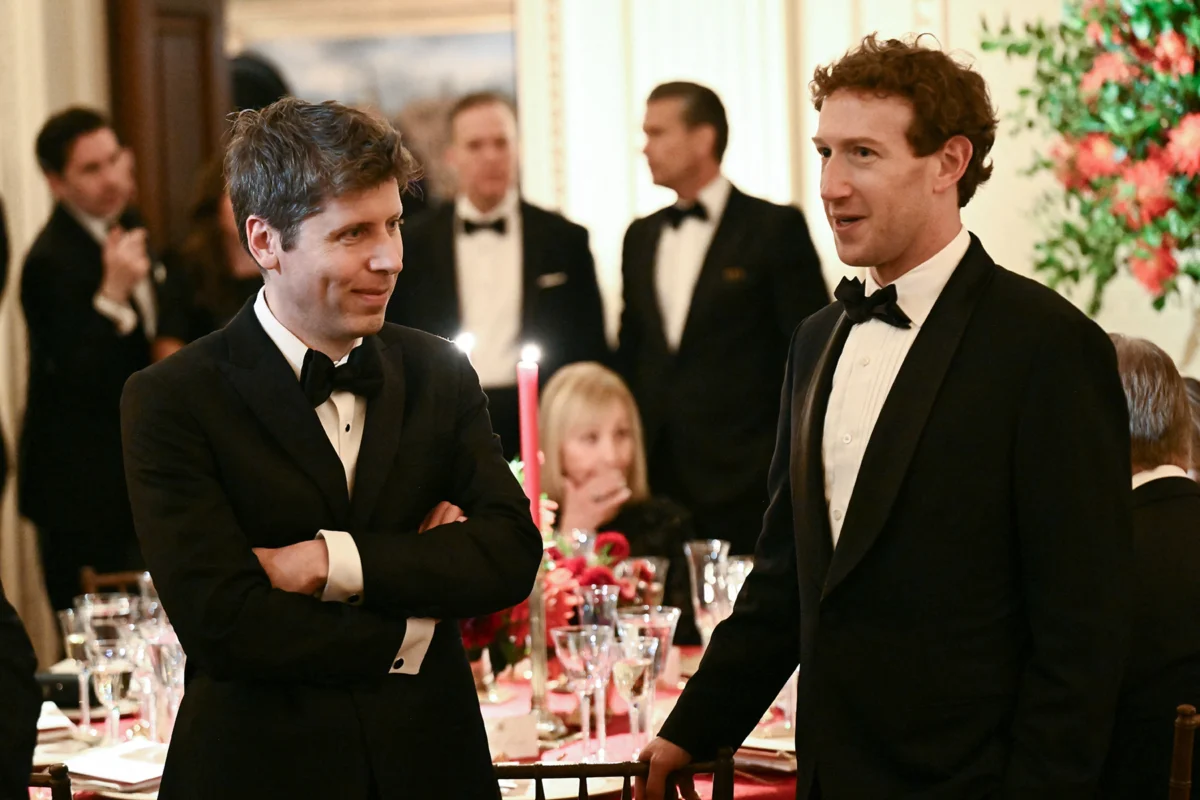
The art of modern diplomacy relies not only on bilateral negotiations and geopolitical strategizing, but equally on the theatrical staging of power. On Thursday, President Donald Trump hosted Chinese President Xi Jinping for a high-stakes state dinner at the White House, marking one of the most consequential diplomatic engagements of his second term. Beyond the high-level talks concerning trade tariffs, regional security, and technological supremacy, the evening served as an extraordinary gathering of the nation’s elite.
Comprising 134 meticulously selected attendees, the guest list read less like a traditional diplomatic roster and more like an exhaustive census of American oligarchy. The room brought together the pinnacle of Silicon Valley innovation, Wall Street financial muscle, traditional energy dominance, conservative political operatives, and high-ranking members of the federal judiciary. The event underscored the deep, systemic integration between corporate leadership and the highest echelons of United States political power.
Silicon Valley and the Technocratic Elite
The prominent presence of America’s technology sector was unsurprising, given that many of these executives were already in Washington attending a concurrent administration-led artificial intelligence summit. The guest list featured familiar tech titans including Meta CEO Mark Zuckerberg, OpenAI CEO Sam Altman, Tesla and SpaceX chief Elon Musk, Amazon founder Jeff Bezos, Google co-founder Sergey Brin, and Apple CEO Tim Cook.
However, the roster also reflected shifting economic power dynamics within the tech industry, heavily influenced by the ongoing global AI boom and semiconductor race. Nvidia CEO Jensen Huang—whose personal and professional alignment with the Trump administration has deepened considerably—attended alongside Lisa Su, CEO of Advanced Micro Devices (AMD). The inclusion of pivotal semiconductor leadership highlighted the administration’s laser-focus on hardware supply chains, domestic manufacturing, and compute power as the primary currency of twenty-first-century geopolitical leverage.
Corporate Cronyism and Industrial Heavyweights
While the tech sector represented the future of American economic dominance, traditional pillars of industry were equally well-represented. Wall Street was anchored by heavyweights such as JPMorgan Chase CEO Jamie Dimon and Citigroup CEO Jane Fraser, signaling close alignment between the banking sector and executive branch monetary policy goals.
Energy sector interests were heavily fortified by leadership from major fossil fuel enterprises, notably ExxonMobil, reflecting the administration’s stated commitment to traditional domestic energy production. Additionally, media mogul David Ellison secured a seat at the table, a notable inclusion as his corporate entity navigates complex regulatory approvals and prospective media acquisitions requiring federal oversight.
Other guests reflected long-standing political alliances and philanthropic loyalty. Miriam Adelson, prominent Republican megadonor and widow of casino magnate Sheldon Adelson, was seated among the elite, illustrating the enduring influence of major campaign financiers within the Republican political ecosystem.
Media Influence and the Conservative Establishment
The evening also functioned as a consolidation of ideological allies within the conservative media landscape. Prominent Fox News prime-time hosts Jesse Watters, Bret Baier, and Laura Ingraham were extended invitations, cementing their status as influential arbiters of the modern conservative movement. Notably, Lachlan Murdoch, CEO of News Corp, was absent from the roster, drawing analytical attention from media observers regarding corporate media alignments.
In contrast, broader journalistic access to the event was heavily restricted. While administration-aligned commentators were welcomed inside the state rooms, several independent and mainstream media outlets reported being denied access to the proceedings, intensifying scrutiny surrounding transparency and press relations.
The Judiciary and Legislative Presence
In a development that raised concerns among legal watchdogs and ethics experts regarding the separation of powers, several members of the federal judiciary were in attendance. Chief Justice John Roberts, alongside Supreme Court Justices Amy Coney Barrett and Brett Kavanaugh, accepted invitations to the state dinner. While Justices Barrett and Kavanaugh were appointed during Trump’s first term, both have occasionally diverged from the administration’s preferred outcomes on critical jurisprudence, making their presence at a partisan executive event a subject of intense discussion among legal scholars.
The legislative branch was represented by House Speaker Mike Johnson, whose political stability remains a persistent focus amid upcoming midterm electoral cycles. Key cabinet members, including Secretary of State Marco Rubio, alongside policy architects such as Stephen Miller and health advocate Robert F. Kennedy Jr., rounded out the domestic political contingent.
Broader Implications and Geopolitical Context
The convergence of global superpower diplomacy and domestic corporate governance at a single White House event offers a clarifying lens into contemporary American governance. The state dinner with President Xi Jinping occurred against a backdrop of complex economic tensions, ongoing international conflicts, and intense competition over technological infrastructure.
Analysts note that while formal diplomatic channels handle trade agreements and geopolitical friction, the informal networking facilitated by such gatherings highlights the degree to which corporate executives act as parallel actors in international relations. As global supply chains, artificial intelligence regulation, and national security become increasingly intertwined, the lines separating private enterprise from public policy continue to blur.
Ultimately, the event served as a high-profile demonstration of access and influence. While the official communiques from the Trump-Xi talks outlined broad diplomatic parameters, the private discussions conducted over golden plates among America’s chief executives and political leaders will undoubtedly shape economic realities long after the state visit concluded.