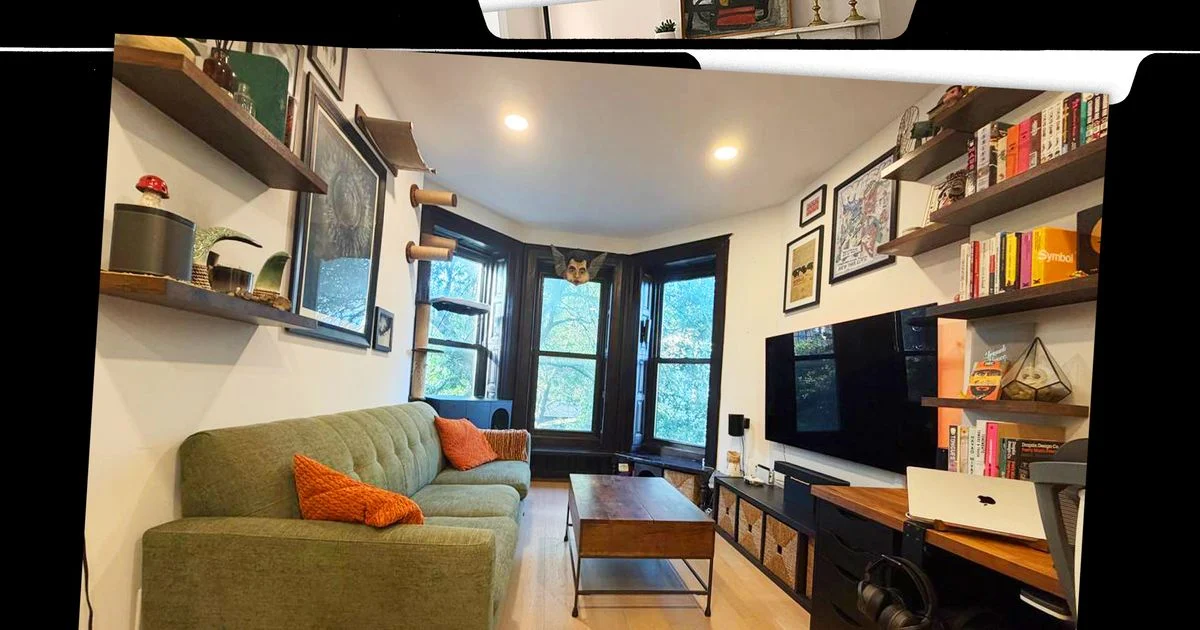
The New York City residential rental market continues to present an extraordinary set of challenges for prospective tenants, characterized by historically low vacancy rates, hyper-competitive application processes, and rapidly escalating baseline costs. Even by the notoriously rigorous standards of metropolitan real estate, the current landscape has pushed renters to explore unconventional digital ecosystems—such as Craigslist and Facebook Marketplace—in search of habitable spaces that offer genuine value. While traditional brokerage platforms like StreetEasy remain the primary conduits for institutional listings, the decentralized web has increasingly served as a crucial frontier for unique, independent, and occasionally eccentric housing stock across Manhattan and the outer boroughs.
The Macroeconomic Reality of NYC’s Rental Squeeze
Recent housing data from major New York real estate brokerages indicates that vacancy rates across Manhattan and prime Brooklyn neighborhoods remain stubbornly below the three percent threshold, a metric economists formally define as a severe housing shortage. This tight supply dynamic has directly fueled median rent inflation, with standard studio and one-bedroom units commanding prices that frequently surpass historical peaks.
Faced with bidding wars, compressed decision windows, and aggressive broker fees, a growing segment of the renting population has adopted unorthodox search methodologies. Platforms historically utilized for second-hand furniture and community goods are now seeing heightened traffic for long-term lease acquisitions. This shift highlights a broader systemic shift in how urban dwellers navigate housing affordability crises, compelling them to bypass traditional gatekeepers in favor of direct-to-landlord or peer-to-peer marketplaces.
Brooklyn’s Diverse Inventory: From Prewar Charm to Industrial Lofts
In boroughs like Brooklyn, the search for functional living space often yields a stark contrast between architectural integrity and compromised modern renovations. Recent listings highlight this dichotomy across several distinct neighborhoods:
- Columbia Heights and Brooklyn Heights: Long established as premier enclaves for historic preservation, the neighborhood features prewar apartments defined by architectural details such as dramatic arched windows, vintage moldings, and original hardwood flooring. Notable offerings include one-bedroom configurations priced around $3,643 and multi-bedroom units reaching upwards of $5,595, characterized by aesthetic touches reminiscent of classic New York cinema—such as retro linoleum kitchens and classic ceramic tile work. Premium waterfront options, including full-service Art Deco buildings along the promenade, command significantly higher valuations, with select units priced between $6,250 and $8,500 depending on private outdoor garden spaces and triple-height ceilings.
- Crown Heights and Bed-Stuy: These central Brooklyn markets continue to serve as testing grounds for the intersection of historical preservation and DIY renovation. While many apartments showcase exceptional natural light and well-maintained wide-plank hardwood floors, others exhibit aggressive, aesthetic choices attributed to low-cost hardware store updates. Rental rates here generally hover between $3,150 and $3,850 for one-bedroom apartments, offering relatively competitive square footage compared to northern Brooklyn nodes.
- Park Slope and Ditmas Park: Park Slope maintains its reputation for high-potential prewar inventory, where renters can secure generous layouts with superior flooring for under $3,000, provided they are willing to overlook dated kitchen fixtures or suboptimal lighting. Further south, Ditmas Park provides a distinctly suburban atmosphere within municipal boundaries, offering expansive multi-bedroom apartments within historic Victorian structures for approximately $3,800, though potential tenants must weigh the trade-offs of an extended Manhattan commute.
Manhattan and Midtown: Architectural Variety and Premium Pricing
Across the East River, the Manhattan rental inventory emphasizes full-service amenities, vertical density, and proximity to major commercial corridors.
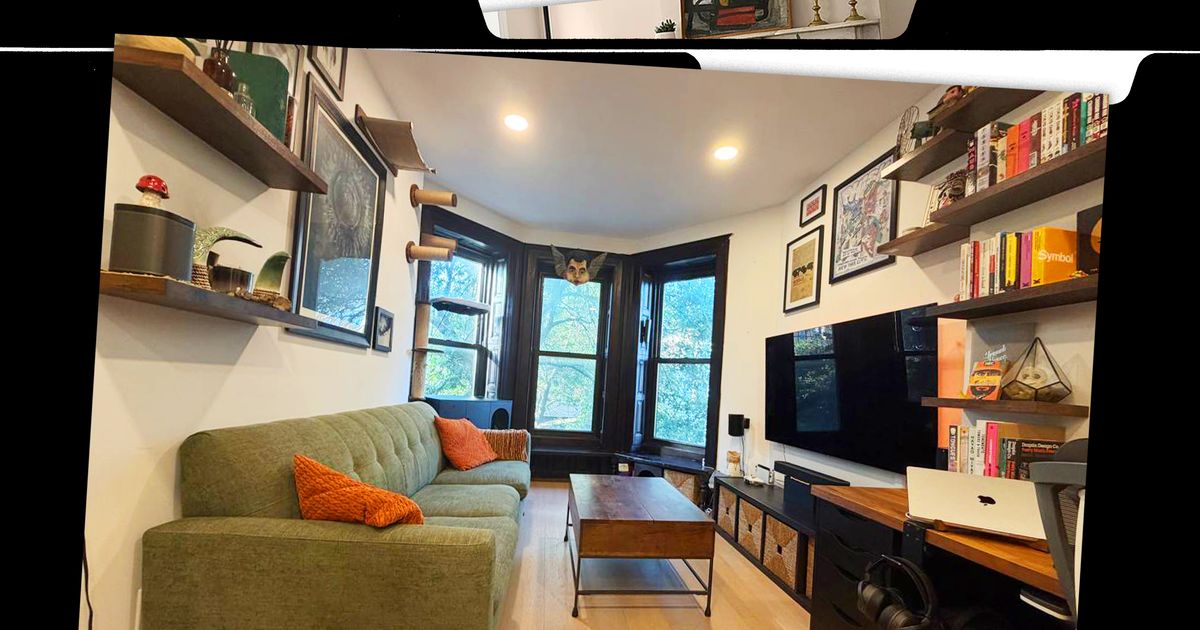
In Midtown East and the Sutton Place submarket, prospective tenants encounter a diverse array of architectural styles ranging from mid-century modern cooperatives to full-service luxury towers. Properties featuring wood-burning fireplaces, custom casement windows, and classic terra-cotta flooring regularly trade between $4,000 and $8,500. For instance, multi-bedroom configurations split among roommates in Sutton Place offer classical interior elements—such as marble hearths and elaborate crown molding—though outdoor terraces frequently require substantial upkeep.
Meanwhile, industrial conversions on the fringes of commercial zones, such as properties near West 42nd Street, present alternative loft-style living arrangements starting around $3,710. While these spaces benefit from expansive industrial floor plans and direct river light, they require renters to navigate the immediate urban density surrounding the transit hubs.
The Rise of Alternative and Mobile Housing Solutions
Beyond traditional bricks-and-mortar leases, the current squeeze on conventional housing has catalyzed ancillary markets for alternative living arrangements. Digital marketplaces frequently feature non-traditional properties, ranging from customized recreational vehicles to fully outfitted maritime houseboats.
Recent listings on peer-to-peer networks highlight units such as vintage 1990s campers transformed into distinct maximalist interiors, as well as fully floating maritime structures equipped with comprehensive domestic infrastructure, including standard marine air conditioning, complete kitchens, laundry facilities, and large-capacity freshwater tanks. While these options appeal primarily to a niche demographic prioritizing mobility or lower capital entry barriers over traditional urban stability, their increased visibility underscores the creative lengths to which consumers are responding to metropolitan housing pressures.
Implications for the Future of Urban Real Estate
The sustained reliance on fragmented digital platforms for primary housing reflects deep structural inefficiencies within the New York real estate market. Urban planners and housing advocates note that until large-scale residential development successfully closes the supply gap, renters will continue to navigate a high-friction marketplace.
For property seekers, the proliferation of listings on non-traditional platforms signals both an opportunity for unique architectural finds and a warning regarding regulatory oversight and consumer protection. As long as market fundamentals remain heavily skewed in favor of landlords, the digital hunt for unconventional spaces—from historic brownstone walkups to floating houseboats—will remain an essential survival strategy for New York City residents.