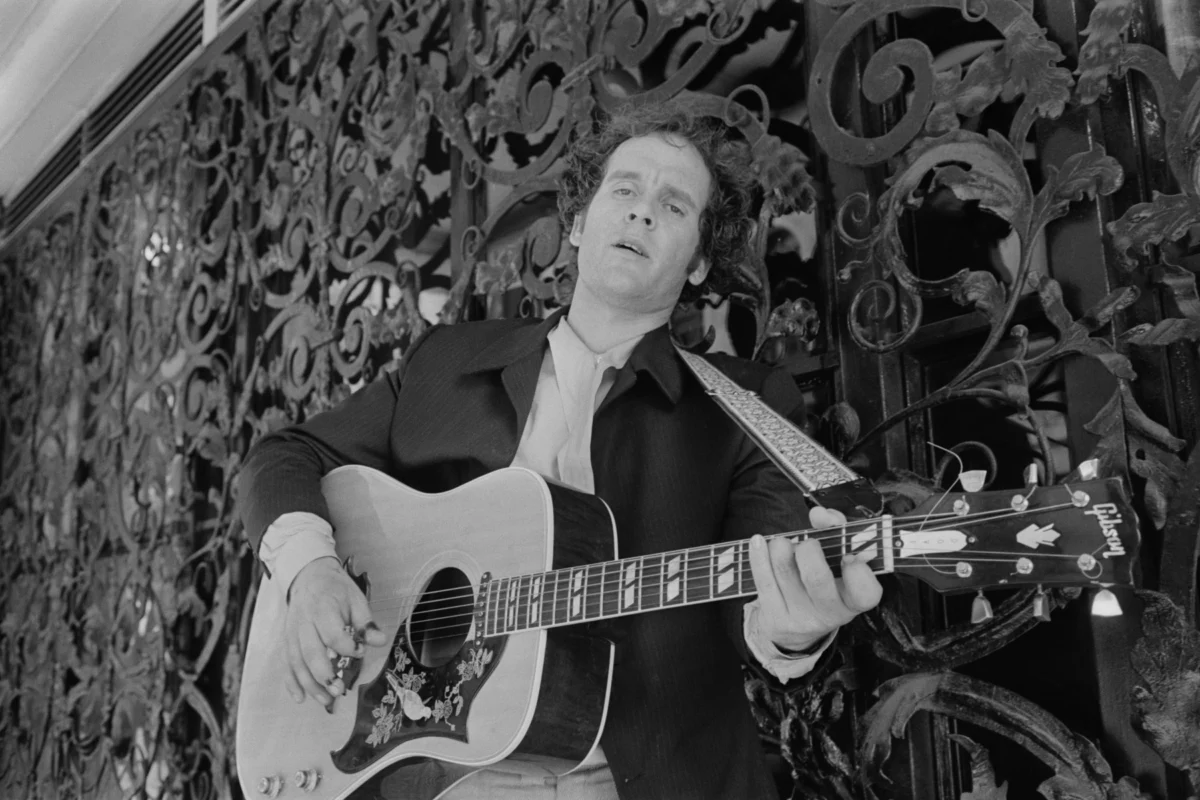
The U.S. rights and certain international interests for the vast majority of the song catalog belonging to the late folk icon Tim Hardin have been officially acquired by Raleigh Music Publishing in collaboration with ICM Crescendo. This transaction represents the inaugural acquisition for the joint venture established by the two firms earlier this year, signaling a strategic entry into the high-stakes world of legacy music publishing. While the financial specifics of the agreement remain confidential, the deal secures the rights to a collection of compositions that defined the folk and singer-songwriter movements of the 1960s and 70s.
The acquisition was finalized through an agreement with the heirs of Hardin, who passed away in 1980 at the age of 39. As the newly designated stewards of this body of work, Raleigh Music Publishing will assume full responsibility for the administration of the catalog, including the collection of global royalties, the management of synchronization licensing for film, television, and advertising, and the strategic promotion of the compositions to contemporary artists and media producers.
The Legacy of Tim Hardin
Tim Hardin remains one of the most respected, albeit often underrated, figures in the American folk tradition. Emerging from the Greenwich Village scene of the mid-1960s, Hardin was celebrated for his ability to distill raw human emotion into deceptively simple, melodic structures. His work frequently explored themes of heartache, addiction, and the transient nature of life, earning him a reputation as a "songwriter’s songwriter."
The catalog includes his most recognizable compositions, most notably the enduring standards "If I Were a Carpenter" and "Reason to Believe." These songs have transcended their original folk roots to become staples in the repertoires of artists across virtually every genre of popular music.
According to data compiled by industry tracking firm SecondHandSongs, "If I Were a Carpenter" has been recorded nearly 200 times by a diverse array of artists. The song’s reach is vast, with notable interpretations by musical heavyweights including Johnny Cash and June Carter, Dolly Parton, Robert Plant, Sheryl Crow, and Willie Nelson. The composition has also found a new life on the theatrical stage, featuring prominently in the current Broadway musical Just In Time, which focuses on the life and work of Bobby Darin, who famously popularized the song in the late 1960s.
"Reason to Believe," perhaps Hardin’s most poignant meditation on hope and disappointment, has similarly enjoyed a prolific afterlife with approximately 125 recorded covers. Its most commercially successful iteration came via Rod Stewart, whose version remains a definitive track in the classic rock canon. Beyond these two hits, the acquired catalog contains essential works such as "Misty Roses," "Lady Came From Baltimore," "Hang on to a Dream," and "Black Sheep Boy." Collectively, these songs have been covered more than 120 times, underscoring the timeless quality of Hardin’s songwriting.
Strategic Implications for the Joint Venture
The formation of the Raleigh Music Publishing and ICM Crescendo joint venture was designed specifically to capitalize on the increasing valuation of high-quality, legacy music intellectual property. By combining Raleigh’s expertise in creative publishing and administrative oversight with the financial backing and investment acumen of ICM Crescendo, the partnership aims to create a robust portfolio that balances historical significance with modern revenue potential.
Steven Storch, co-president of Raleigh Music, emphasized the strategic importance of this first move. "When we formed this joint venture, we said we expected to move quickly on the right opportunities," Storch stated. "The Tim Hardin catalog is exactly the kind of iconic, enduring body of work we set out to acquire. ‘If I Were a Carpenter’ and ‘Reason to Believe’ are as moving today as when he wrote them, and there is a whole songbook behind them waiting to be rediscovered."

From the investment side, the acquisition is viewed as a model for future transactions. David Vankka, president and portfolio manager at ICM Asset Management, noted that the stability of the catalog’s licensing history was a primary driver for the deal. "The Tim Hardin catalog combines cultural significance with a long record of covers and licensing activity," Vankka said. "It is a strong first transaction for our joint venture, and we look forward to building on it together."
Market Dynamics and Catalog Management
The acquisition of legacy catalogs has become a significant trend in the music industry over the past half-decade. As streaming platforms continue to dominate music consumption, older songs often maintain a level of "passive discovery" that provides a steady stream of royalty revenue. For independent publishers like Raleigh Music, the key to maximizing the value of these catalogs lies in aggressive synchronization licensing.
By placing these songs in new films, high-profile television series, or major advertising campaigns, the publisher can spark renewed interest in the original recordings. This not only generates immediate licensing fees but also boosts streaming performance, which in turn drives further mechanical and performance royalties.
Peter Raleigh, co-president of Raleigh Music Publishing, highlighted the honor and responsibility of managing such a storied collection. "Tim Hardin wrote songs that other great artists couldn’t resist," Raleigh said. "We’re honored to be the stewards of this catalog, and there could be no better first acquisition for our partnership with ICM Crescendo."
Chronology of the Deal and Future Outlook
The deal follows months of quiet negotiations between the joint venture and the Hardin estate. Since the creation of the partnership earlier this year, the industry had been anticipating a move into the legacy space, though few had publicly speculated on the acquisition of the Hardin catalog specifically.
The acquisition marks a transition point for the music. While the songs have remained in the public consciousness through the various covers mentioned, active, professional management of the original copyrights is expected to lead to a more centralized approach to licensing. This could mean increased visibility for Hardin’s lesser-known tracks, which remain ripe for synchronization in contemporary media.
For the broader music publishing sector, the deal serves as a reminder that value in music assets is not confined to the catalogs of current chart-toppers. The long-tail revenue generated by mid-century folk and rock writers continues to be a highly attractive asset class for private equity and specialized music funds.
As the joint venture begins its tenure as the administrator of the Tim Hardin catalog, the industry will be watching to see how they integrate these tracks into their broader licensing strategy. With a deep bench of nearly 200 versions of his most famous songs already in existence, the foundation for continued growth is well-established. The success of this acquisition may set the tone for the partnership’s future investment trajectory, cementing the role of Raleigh Music and ICM Crescendo as significant players in the acquisition of American musical history.
In the coming months, stakeholders expect the company to focus on "sync" opportunities, targeting the use of Hardin’s music in prestige television and film projects, which historically provide the greatest exposure and revenue spikes for classic songwriting catalogs. Through this careful stewardship, the legacy of Tim Hardin—a man whose life was marked by both profound creativity and personal struggle—is likely to find a permanent, profitable home in the modern digital music landscape.