As the United States approaches its semiquincentennial in 2026, the real estate brokerage Redfin has launched an ambitious cultural initiative titled "Iconic Homes of America." This multimedia franchise, which will run through the end of 2027, seeks to integrate the architectural and social history of the nation into the modern digital real estate experience. By featuring historically significant properties alongside current residential listings, Redfin aims to bridge the gap between contemporary property search tools and the deep-seated narratives that define the American experience.
The initiative employs a mix of immersive virtual tours, high-definition photography, and archival storytelling to highlight how residential spaces have served as the silent witnesses to the country’s evolution. Each featured property will not only be documented in a listing-style digital format but will also serve as a hub for both in-person public events and digital educational experiences, ensuring that the history contained within these walls is accessible to a national audience.
A New Perspective on American Heritage
The project is rooted in the belief that the American story is best understood through its domestic architecture. Jonathan Mildenhall, Chief Marketing Officer, underscored the initiative’s philosophy, noting that the nation’s history is not solely confined to textbooks but is embedded in the homes where generations have lived, labored, and persevered. By treating these historic landmarks with the same level of care as active real estate listings, Redfin is effectively democratizing access to historical preservation, inviting the public to engage with the physical manifestations of the American spirit.
The inclusion of these homes in a real estate database is a departure from traditional museum-style curation. It forces a modern perspective on historic structures, asking the user to consider the utility, the economic constraints, and the personal ambitions of those who occupied these spaces centuries ago.
The Betsy Ross House: A Case Study in Preservation
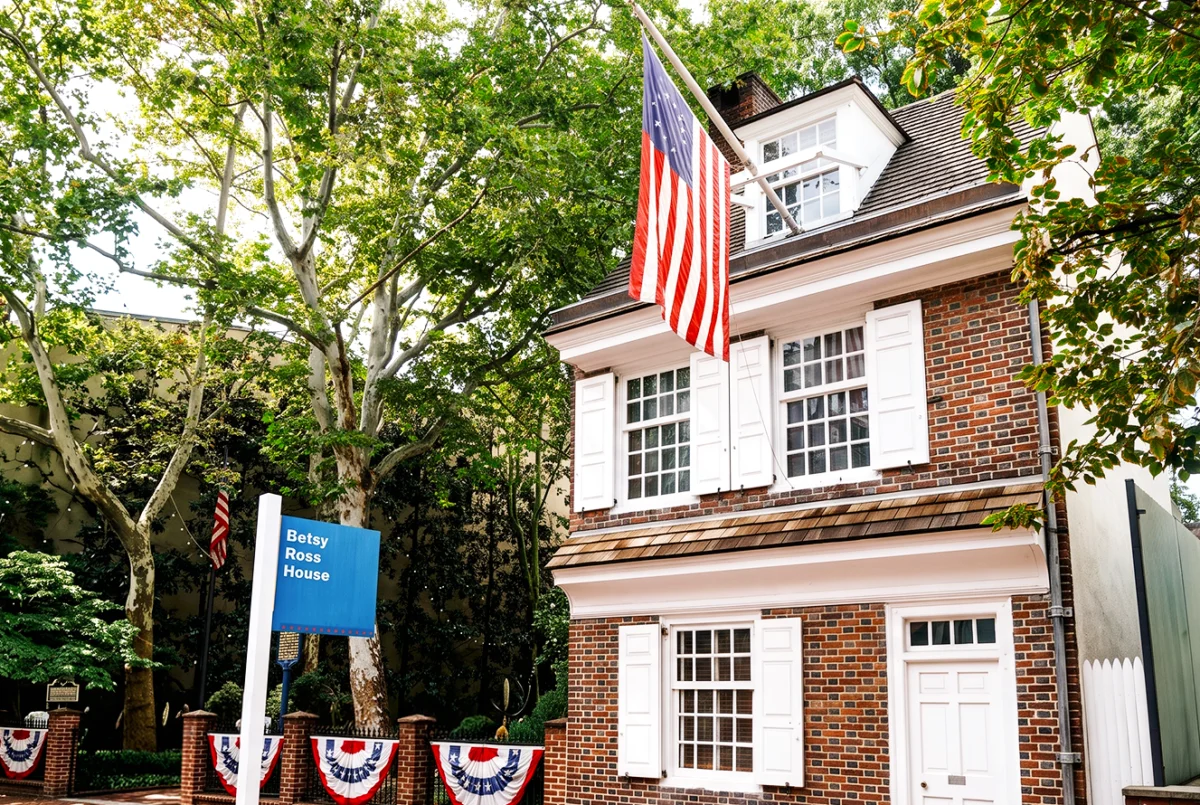
The series debuted with the Betsy Ross House in Philadelphia, a structure built circa 1740. While the popular legend of Betsy Ross sewing the first American flag remains a subject of rigorous historical debate, the home serves as a vital artifact of the Revolutionary era. The Redfin listing provides a granular look at the property, focusing on Ross not merely as a mythological figure, but as an 18th-century entrepreneur and working mother.
The history of the house itself is as compelling as its association with the American flag. By the late 19th century, the property faced the threat of demolition—a common fate for many historic urban structures during the rapid industrialization of the era. The rescue of the Betsy Ross House serves as a significant milestone in American preservation history. In an early display of collective civic action, citizens from across the country contributed funds through a 10-cent membership campaign to save the home. This event marked one of the first instances of widespread, grassroots-funded historic preservation in the United States, illustrating how community spirit has long been a factor in maintaining the national identity.
Architectural Ambition: The Bishop’s Palace
The second featured property, the Bishop’s Palace in Galveston, Texas, represents a starkly different era of American life. Constructed between 1887 and 1892, the mansion stands as a testament to the Gilded Age, a period characterized by rapid economic growth and extreme displays of wealth. Designed by the esteemed architect Nicholas J. Clayton for the attorney and congressman Walter Gresham, the 52-room, 19,086-square-foot residence is a masterclass in Victorian-era ambition.
The Bishop’s Palace serves as a case study in global architectural influence during the late 19th century. The home features intricate woodwork, a mahogany rotunda staircase, and French stained glass, alongside materials imported from Venice, Holland, and North Africa. The fact that the home eventually transitioned into the residence of a Catholic bishop in 1923 highlights the fluidity of property usage over time—a home that began as a private family estate evolved into an institutional landmark, further adding layers to its historical significance.

Chronology and Scope of the Initiative
Redfin’s commitment to this project spans from the launch in late 2026 through the conclusion of 2027. This timeline is intentionally aligned with the nation’s 250th-anniversary celebrations, providing a consistent stream of content that highlights different geographic regions and eras of American history.
The initiative is designed to be participatory. By providing an online nomination form, Redfin is crowdsourcing the next wave of "iconic" homes. This process acknowledges that history is not just found in major national monuments, but in the vernacular architecture of local neighborhoods across all 50 states. The company’s editorial team evaluates these nominations based on architectural significance, the historical narrative associated with the residents, and the condition of the property.
Supporting Data and The Economics of Heritage
The integration of historic homes into a real estate platform offers a unique analytical lens. Real estate data consistently shows that properties with historical designations or significant cultural provenance often carry a "heritage premium." While the market value of these homes is subjective, the investment required to maintain them is objectively high. The preservation of such structures requires constant upkeep, specialized craftsmanship, and adherence to historical zoning regulations, which often contrast with the standardized, high-turnover nature of the modern real estate market.
Analysis suggests that the "Iconic Homes of America" project may influence how the public views the value of historic properties. By highlighting the craftsmanship involved in the Bishop’s Palace or the entrepreneurial history of the Betsy Ross House, Redfin is fostering a cultural appreciation for legacy real estate. This could potentially translate into increased support for local historical societies and preservation tax credits, which are essential for the survival of the nation’s aging building stock.
Implications for Modern Real Estate
The broader implications of this project are twofold. First, it signifies a shift in how real estate platforms define their role in the digital ecosystem. Rather than acting strictly as a marketplace for transactional activity, platforms like Redfin are increasingly positioning themselves as stewards of information and culture. By diversifying their content, they deepen user engagement and increase the time spent on their platforms, while simultaneously providing a public service by documenting architectural heritage.
Second, the initiative addresses the growing public interest in "place-based" history. As digital connectivity increases, there is a counter-trend toward seeking tangible connections to the physical past. By making these properties "tourable" through digital interfaces, Redfin is meeting a demand for educational content that feels personal and grounded.
Conclusion
As the United States moves toward its milestone 250th anniversary, the "Iconic Homes of America" series provides a necessary, albeit non-traditional, reflection on the built environment. Whether through the humble, rented rooms of a Philadelphia tradeswoman or the sprawling, ornate halls of a Galveston congressman, the history of America remains inextricably linked to the places where its citizens have lived.
Through this initiative, Redfin is not merely listing homes; it is cataloging the evolving definition of the American home itself. The project invites the public to view their own neighborhoods with a renewed sense of historical curiosity, reinforcing the idea that every door holds a story that contributes to the collective narrative of the nation. As the initiative progresses through 2027, it will likely serve as an evolving repository of the diverse architectural and social tapestry that continues to define the United States.
For those interested in the ongoing project, the company maintains an updated portal at redfin.com/iconic-homes, where visitors can track upcoming debuts, explore the digital archives of featured properties, and participate in the nomination process for future segments. The initiative remains a unique intersection of commerce, culture, and history, providing a window into the past that remains relevant for the future of American real estate.