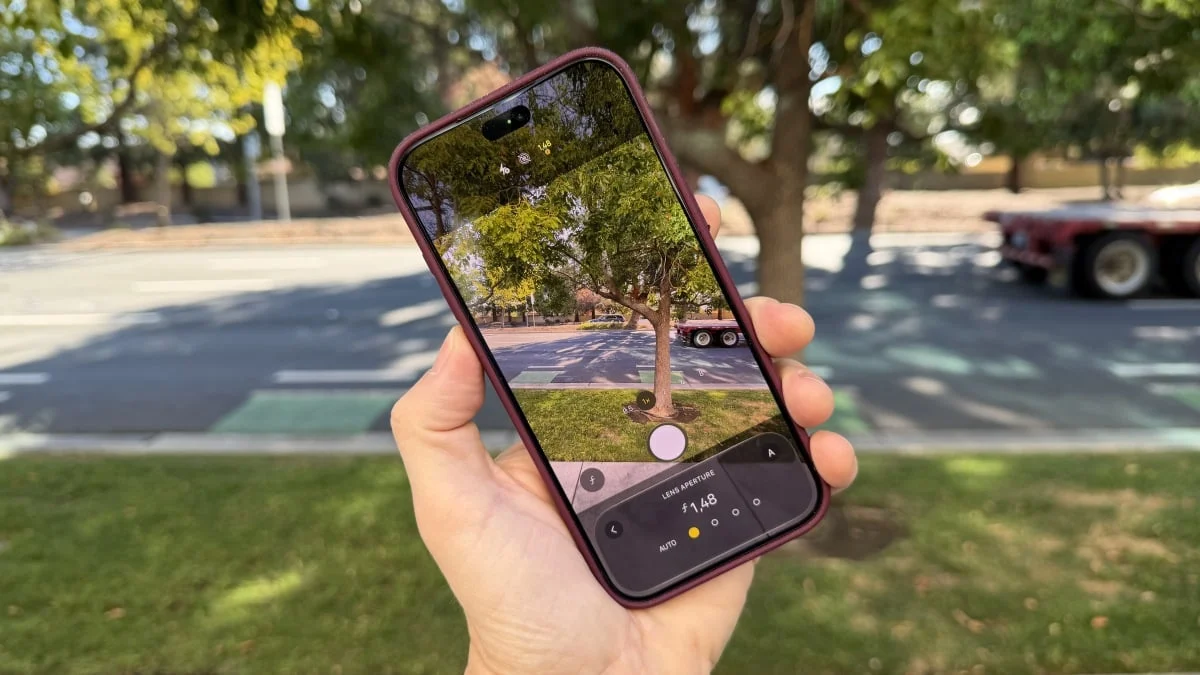
The telecommunications landscape is shifting once again as major carriers adjust their promotional strategies in response to shifting consumer demands and high-profile device launches. T-Mobile has officially reintroduced its flagship zero-dollar device promotions, offering customers the opportunity to secure the Apple iPhone 18 Pro entirely free or take a substantial $1,200 discount on the Apple iPhone 18 Pro Max. This strategic move follows a brief hiatus in aggressive carrier subsidies for Apple’s high-end hardware, a period that coincided with the much-discussed market introduction of Apple’s first foldable device, the iPhone Duo.
For consumers looking to upgrade their mobile technology without absorbing the full cost of current-generation hardware, the reinstated carrier promotion provides a significant financial incentive. However, securing these high-tier devices requires adherence to specific contractual frameworks, ongoing service commitments, and careful navigation of carrier-specific eligibility criteria.
Main Facts of the T-Mobile Promotional Offer
The core of the newly launched T-Mobile promotion centers on incentivizing customer acquisition through high-value hardware bundling. Under the terms of the offer, new subscribers who switch their service to T-Mobile and port over their existing mobile numbers to the carrier’s "Experience Beyond" plan are eligible to receive the Apple iPhone 18 Pro at no additional cost for the device itself.
For consumers preferring the larger screen estate and extended battery profile of the premium tier, the Apple iPhone 18 Pro Max is available with a $1,200 price reduction. Because the retail price of the Pro Max typically exceeds this discount threshold, buyers remain responsible for paying the remaining balance of the device’s retail price, distributed through structured financing terms.
Unlike traditional outright purchases, the promotional value is not applied as an immediate point-of-sale discount. Instead, T-Mobile distributes the total savings across a 36-month installment billing agreement via monthly bill credits. Subscribers must maintain active service on the qualifying Experience Beyond plan for the entirety of the three-year term to realize the full financial benefit. Should a customer choose to terminate their service contract or migrate to a non-qualifying rate plan before the 36-month period concludes, the remaining unpaid balance of the device becomes immediately due.
Additionally, while the hardware cost is defrayed through bill credits, participants are required to cover specific upfront expenses at the time of purchase. These include local sales taxes calculated on the full, unpromoted retail value of the device, alongside a standard device connection fee of $35 per line processed at checkout.
Background Context and Recent Market Dynamics
The timing of T-Mobile’s renewed promotional push is closely linked to recent developments in the broader smartphone sector. The mobile technology industry experienced a notable spike in consumer attention following the launch of the iPhone Duo, Apple’s inaugural entry into the foldable smartphone category. The rollout generated immense market chatter, dominating consumer tech headlines and drawing substantial analytical focus toward the viability, durability, and pricing strategies associated with foldable hardware architectures.
During the weeks leading up to and immediately following the iPhone Duo release, major wireless providers temporarily scaled back their most aggressive subsidy programs for traditional slab-style flagships, including the iPhone 17 and early allocations of the iPhone 18 series. Industry analysts observed that carriers frequently adjust promotional spending during major hardware transition windows to manage inventory and assess shifting consumer appetite between experimental form factors and proven flagship designs.
With the initial market reaction to the foldable launch stabilizing, carriers have begun restoring competitive incentives for traditional high-end smartphones. T-Mobile’s decision to reintroduce zero-dollar offers on the iPhone 18 Pro signals an effort to capture switching traffic from rival networks, capitalizing on consumer demand for conventional premium devices that offer robust processing power, advanced camera arrays, and established software ecosystems without the nascent uncertainties sometimes associated with first-generation form factors.
Chronology of the Smartphone Launch and Carrier Response
The progression of events leading to the current promotional landscape highlights the rapid pace of modern consumer electronics marketing:
- Early October: Apple officially unveils the iPhone Duo, marking the company’s first venture into the foldable device market. The announcement triggers widespread media coverage and sparks intense industry debate regarding design durability and market positioning.
- Mid-October: In the wake of the foldable release, major carriers, including T-Mobile, temporarily moderate their subsidy schedules. Promotional discounts for standard flagship models like the iPhone 18 Pro see a noticeable reduction in availability and breadth.
- Late October: Market data indicates consumer interest remaining strong for traditional high-end smartphones alongside the new foldable line. In response to competitive pressures and customer demand, T-Mobile reinstates zero-dollar device promotions tied to specific high-tier service tiers.
- Present: The carrier launches its updated acquisition campaign, making the iPhone 18 Pro free and discounting the iPhone 18 Pro Max by $1,200 for switchers utilizing the Experience Beyond plan.
Financial Implications and Contractual Commitments
While acquiring a state-of-the-art flagship smartphone without upfront device costs presents an attractive proposition for retail consumers, financial analysts emphasize the importance of evaluating the long-term commitments inherent in carrier financing agreements.
The requirement of a 36-month service contract represents a significant timeline in the fast-evolving telecommunications sector. Subscribers are locked into T-Mobile’s Experience Beyond plan for three years to secure the maximum subsidy value. Consumers must weigh the monthly cost of the service plan against the retail value of the hardware being subsidized. While the device itself is amortized down to zero through monthly credits, the ongoing cost of the high-tier data plan forms the primary financial obligation for the consumer.
Furthermore, upfront cash outlays remain a necessary consideration. Because sales tax is calculated based on the full pre-discount retail price of the iPhone 18 Pro or Pro Max, buyers must be prepared to pay these taxes out of pocket on the day of purchase, alongside the non-refundable $35 device connection fee per line.
Industry Analysis and Strategic Outlook
From a macroeconomic perspective, carrier-subsidized hardware models remain a primary driver of subscriber acquisition and retention in the highly saturated United States telecommunications market. By tying hardware discounts to multi-year service commitments, carriers secure predictable, recurring revenue streams while shielding consumers from the rising sticker shock associated with premium mobile technology, where retail prices frequently exceed one thousand dollars.
The return of aggressive promotions for the iPhone 18 Pro series demonstrates that traditional slab smartphones continue to anchor the volume of high-value device sales, even as manufacturers experiment with novel form factors like foldables. For T-Mobile, positioning the Experience Beyond plan as the exclusive gateway to these deep hardware discounts serves a dual purpose: it attracts high-value switchers from competing networks and migrates consumer accounts onto the carrier’s premium-tier service bundles.
As the holiday shopping season approaches, industry observers anticipate that competitive pressures among major national carriers will remain intense, potentially leading to further promotional adjustments as providers vie for market share in the lucrative premium smartphone segment. Consumers evaluating these offers are advised to review the specific terms of the service agreement, calculate the total cost of ownership over the 36-month period, and ensure that the chosen data plan aligns with their actual usage requirements before committing to a long-term carrier contract.