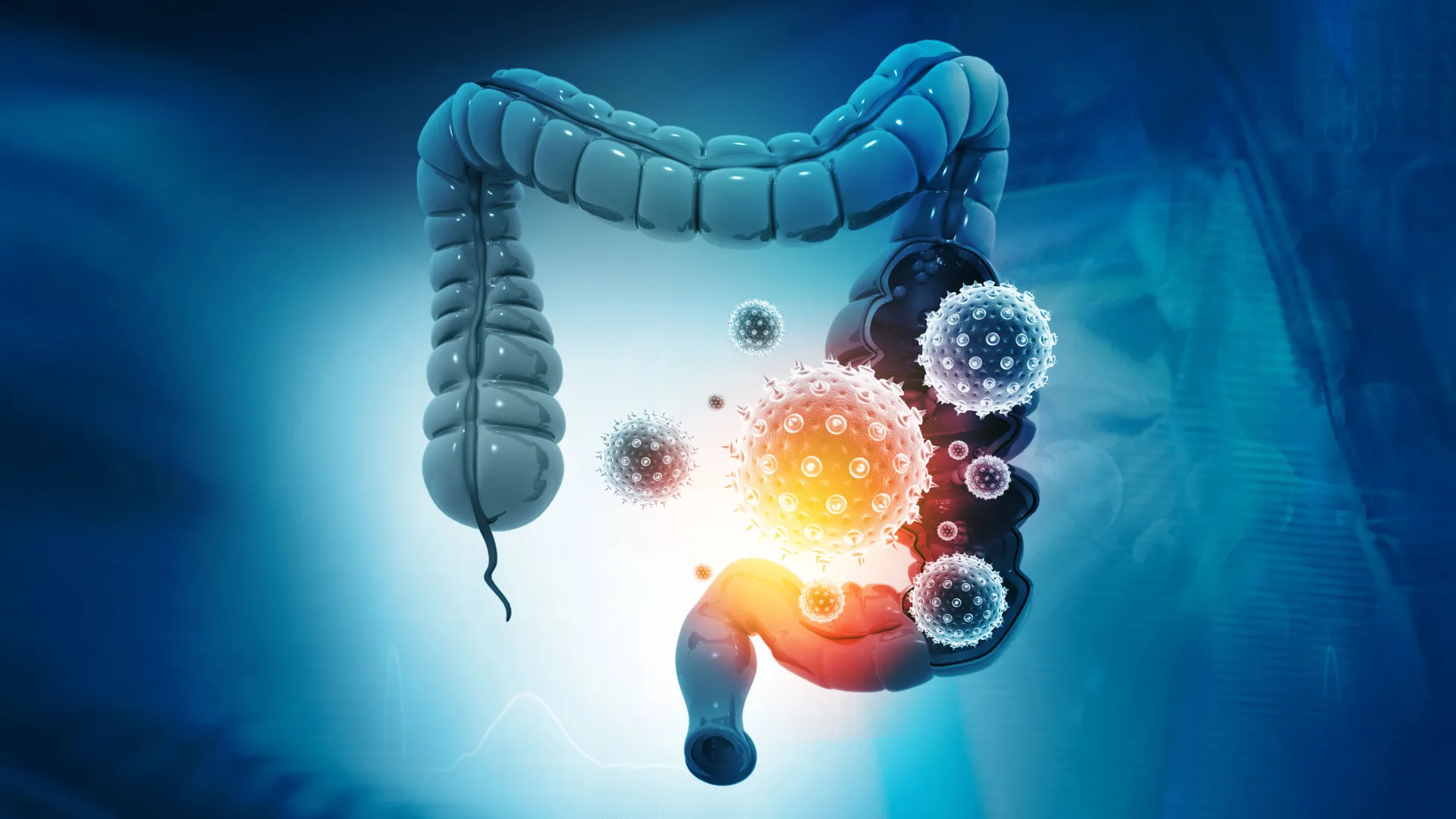
For nearly two decades, the medical community has grappled with a significant biological puzzle: how a common, toxin-producing strain of the gut bacterium Bacteroides fragilis initiates the process of colon tumor formation. While researchers had long understood that the bacterium’s toxin, known as BFT (Bacteroides fragilis toxin), was a potent catalyst for inflammation and tissue damage, the precise mechanism by which it docked onto intestinal cells remained a mystery. A landmark study recently published in the journal Nature has finally resolved this long-standing question, identifying a specific protein called claudin-4 as the essential gateway for the toxin. This discovery, spearheaded by a multi-institutional team led by researchers at the Johns Hopkins Kimmel Cancer Center, not only fills a critical gap in our understanding of gastrointestinal health but also provides a strategic roadmap for potential future therapies to prevent the progression of colorectal cancer.
The research effort involved a complex collaboration between Johns Hopkins University, the Bloomberg-Kimmel Institute for Cancer Immunotherapy, and Harvard Medical School. By leveraging the precision of CRISPR gene-editing technology, the team was able to systematically dismantle the genetic architecture of colon epithelial cells to observe which components were vital for BFT attachment. The findings reveal a surprising molecular choreography, shifting the focus from expected signaling receptors to the structural proteins that maintain the integrity of the intestinal lining.
A Chronology of Discovery: From Observation to Breakthrough
The scientific journey toward this discovery began in earnest in the early 2000s, when researchers first began to associate certain strains of Bacteroides fragilis with chronic inflammation. Bacteroides fragilis is a commensal organism, present in the intestinal flora of approximately 20% of the healthy human population. However, enterotoxigenic strains—those that secrete BFT—pose a unique risk.
In 2009, a pivotal study led by Dr. Cynthia Sears at Johns Hopkins established the definitive link between BFT and the development of colon tumors in animal models. This study demonstrated that the toxin does not merely pass through the gut; it actively disrupts the protective mucosal barrier by targeting E-cadherin, a protein essential for cell-to-cell adhesion. When E-cadherin is cleaved by the toxin, the resulting "leaky" barrier allows for increased exposure to microbial products and chronic inflammation, a known precursor to oncogenesis.
Despite this breakthrough, the mechanism by which BFT initially engaged with the cell surface remained elusive. Between 2009 and 2024, laboratory efforts to identify the "docking station" for the toxin were largely unsuccessful. The breakthrough finally occurred when the team employed a genome-wide CRISPR screen. By systematically silencing genes in colon cells, they looked for instances where the cells suddenly became resistant to the toxin. The gene responsible for producing claudin-4 emerged as the clear, decisive hit. When this gene was silenced, BFT lost its ability to bind to the cells, rendering it incapable of initiating the cascade of damage that typically leads to the destruction of E-cadherin.
The Mechanism of Action: Redefining Bacterial Pathogenesis
The identity of the receptor, claudin-4, was unexpected for several reasons. In the context of bacterial toxins, scientists often look for G protein-coupled receptors (GPCRs), which serve as sophisticated "switches" for cellular signaling. Claudin-4, conversely, is a structural component of tight junctions—the physical seals between cells that regulate the passage of molecules through the tissue.
This discovery highlights a novel, and perhaps previously unobserved, mechanism of bacterial pathogenesis. Most proteases—the class of enzymes to which BFT belongs—often act directly on their targets. However, BFT utilizes a "two-step" strategy: it first docks onto claudin-4, which then positions the toxin to interact with and cleave E-cadherin. This dependency on a structural protein rather than a signaling receptor suggests that BFT has evolved to exploit the very architecture of the human gut to gain a foothold.
To confirm this physical interaction, the researchers collaborated with structural biologists at the Molecular Biology Institute of Barcelona. Using high-resolution interaction analysis, the team confirmed that each molecule of the toxin pairs with a single molecule of claudin-4, forming a stable complex. This direct evidence of the toxin-receptor pairing provides the mechanistic clarity required to develop targeted medical interventions.
Developing a Molecular Decoy: A New Frontier in Prevention
The most immediate clinical implication of identifying the claudin-4 receptor is the potential for prophylactic intervention. By understanding the "lock" that the toxin uses to enter the cell, researchers can design a "key" that fits the lock without opening the door.
Maxwell White, an M.D./Ph.D. candidate who played a central role in the study, and his colleagues synthesized a soluble protein that mimics the claudin-4 docking site. This molecular decoy acts as a sponge, intercepting the BFT in the intestinal lumen before it can reach the actual epithelial cells. In mouse models, this decoy was highly effective, successfully preventing the toxin from binding to the colon lining and averting the subsequent tissue damage.
This strategy represents a shift toward "targeted molecular neutralization." Rather than utilizing broad-spectrum antibiotics—which could disrupt the delicate balance of the gut microbiome—a decoy approach would specifically sequester the pathogenic toxin, leaving the rest of the bacterial community intact. This is a critical consideration in modern medicine, where the long-term impact of microbiome disruption is increasingly recognized as a significant health risk.
Broader Implications for Clinical Oncology and Public Health
The identification of this receptor-toxin axis has implications that extend far beyond colorectal cancer. The BFT-claudin-4 interaction is also implicated in other conditions, including persistent diarrheal diseases and potential bloodstream infections. By preventing the initial binding of the toxin, clinicians might eventually treat or prevent a range of infectious and inflammatory conditions that are exacerbated by BFT.
However, the researchers remain cautious. While the mouse models provide a clear proof-of-concept, human physiology is significantly more complex. The team is currently exploring how to refine these molecular decoys for human use. This includes investigating small molecule inhibitors that could be orally administered to intercept the toxin or biological agents that offer superior stability within the harsh environment of the gastrointestinal tract.
Furthermore, the team is working to resolve the three-dimensional structure of the BFT-claudin-4 complex. Even with the assistance of cutting-edge AI-driven modeling, such as AlphaFold, the precise atomic-level interaction remains a subject of ongoing study. Mapping this structure is the next frontier; it would allow for the rational design of drugs that block the binding site with extreme precision and potency.
Conclusion: A Foundation for Future Therapy
The work conducted at the Johns Hopkins Kimmel Cancer Center, with the support of the National Institutes of Health and the Bloomberg-Kimmel Institute for Cancer Immunotherapy, serves as a masterclass in modern translational medicine. By moving from a clinical observation to a mechanistic mystery, and finally to a CRISPR-based solution, the team has turned a long-standing question into a promising therapeutic target.
While the path from the laboratory bench to the pharmacy shelf is long—requiring extensive clinical trials and validation—the identification of the claudin-4 receptor provides a clear destination. For patients at high risk of toxin-associated colorectal disease, this discovery could eventually lead to a new class of preventative medicine, shifting the focus from treating the late-stage consequences of cancer to neutralizing the initial triggers of disease long before a tumor can take root. The success of this study reinforces the value of fundamental research into host-microbe interactions, proving that even the most common gut bacteria can hide secrets that, when revealed, hold the power to change the landscape of cancer prevention.