
Fairmont State University: A Comprehensive Overview of its Educational Offerings, Campus Life, and Community Impact
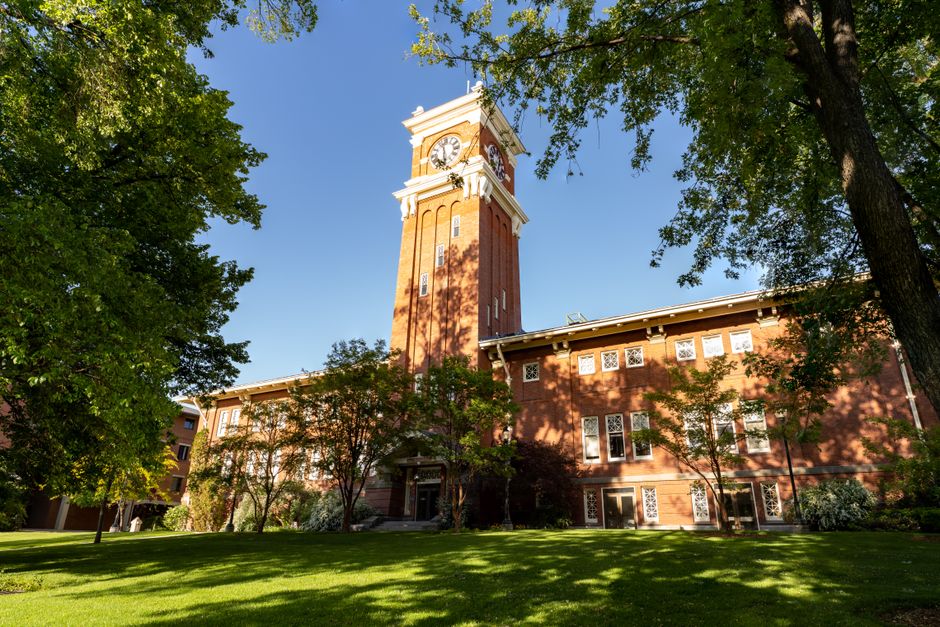
Fairmont State University, a public institution nestled in the Appalachian Mountains of West Virginia, stands as a cornerstone of higher education in the region. Established in 1865 as the Fairmont Normal School, its evolution over more than a century reflects a commitment to accessible and quality education. The university currently serves approximately 3,000 students, offering a diverse range of undergraduate and graduate programs across its four academic divisions: the School of Arts and Sciences, the School of Business and Aviation, the School of Education, and the School of Health Sciences. This comprehensive structure allows for specialized learning pathways while fostering interdisciplinary collaboration, a key element in preparing graduates for the complexities of the modern workforce and a globalized society. The university’s mission is rooted in providing an affordable, high-quality education that emphasizes critical thinking, problem-solving, and civic engagement, aiming to empower students to become leaders and contributors within their chosen fields and their communities. Its strategic location in Fairmont, West Virginia, grants students unique opportunities to engage with the local economy and environment, fostering a sense of responsibility and a deep understanding of regional issues. The campus itself, characterized by a blend of historic and modern architecture, provides a conducive learning environment, equipped with state-of-the-art facilities that support both academic pursuits and extracurricular activities. Fairmont State University’s dedication to student success is evident in its robust academic support services, career development resources, and a vibrant campus community that encourages personal growth and development.
The academic landscape at Fairmont State University is intentionally designed to be broad and responsive to evolving industry demands. Within the School of Arts and Sciences, students can explore a wide array of disciplines, including traditional humanities, social sciences, and natural sciences. Degree programs such as English, History, Psychology, Sociology, and Biology are offered, providing foundational knowledge and critical analytical skills. For those with a passion for the arts, the university offers degrees in Fine Arts, including concentrations in graphic design, studio art, and digital media, preparing students for careers in creative industries. The School of Business and Aviation is a particularly dynamic component, reflecting the university’s commitment to vocational and professional training. It houses robust programs in Accounting, Management, Marketing, and Finance, equipping students with the business acumen necessary for success in the corporate world. A unique and highly sought-after offering is the Aviation program, which includes Bachelor of Science degrees in Aviation Management and Professional Pilot. This program leverages Fairmont’s proximity to regional airports and industry partners, providing hands-on training and flight experience. The School of Education is a legacy program, continuing the university’s historical commitment to teacher preparation. It offers undergraduate and graduate degrees designed to train effective educators for K-12 settings, with specializations in areas such as elementary education, secondary education, and special education. The curriculum emphasizes pedagogical theory, classroom management, and practical teaching experiences through extensive student teaching opportunities. The School of Health Sciences is another area of significant growth and investment for Fairmont State. Programs such as Nursing, Radiologic Technology, and Respiratory Therapy are in high demand and are designed to meet the critical needs of the healthcare sector. These programs are characterized by rigorous scientific coursework, extensive clinical rotations, and the development of essential healthcare skills, preparing graduates to enter a vital and growing profession. Beyond these core schools, Fairmont State also offers interdisciplinary programs and minors that allow students to tailor their education to specific interests and career goals, fostering a personalized learning experience that maximizes student potential.
Campus life at Fairmont State University extends far beyond the classroom, fostering a holistic student experience. The university boasts a vibrant residential community, with various housing options available to students, ranging from traditional dormitory living to apartment-style accommodations. This on-campus living fosters a strong sense of community, facilitates peer-to-peer learning, and provides convenient access to academic resources and campus events. Extracurricular activities are plentiful and diverse, catering to a wide range of student interests. Over 70 student organizations are active on campus, including academic clubs, cultural groups, service organizations, and recreational clubs. These organizations provide opportunities for leadership development, networking, and the pursuit of passions outside of academic coursework. The Fairmont State Student Government Association plays a crucial role in advocating for student interests and organizing campus-wide events. For students interested in athletics, Fairmont State University is a proud member of the NCAA Division II Mountain East Conference. The university fields a variety of varsity sports teams for both men and women, including football, basketball, baseball, softball, soccer, and volleyball. Participation in athletics not only promotes physical well-being but also instills valuable lessons in teamwork, discipline, and perseverance. The Feleciano Athletics Center and other athletic facilities provide students and the wider community with opportunities for fitness and recreation. The Robert L. "Bob" Cardea Student Union serves as a central hub for campus life, housing dining facilities, student services, and social spaces, fostering interaction and engagement among students, faculty, and staff. Cultural events, guest lectures, and performing arts productions are regularly scheduled, enriching the intellectual and cultural environment of the university and offering students diverse avenues for personal enrichment and exposure to different perspectives.
Community impact and engagement are integral to Fairmont State University’s identity and mission. The university recognizes its responsibility to contribute to the economic, social, and cultural well-being of the North Central West Virginia region. This commitment is manifested through various initiatives and partnerships. The Fairmont State Foundation, a non-profit organization, plays a vital role in supporting the university’s educational mission through fundraising, asset management, and strategic investments, directly impacting the availability of scholarships, program enhancements, and facility improvements. The university’s Faculty and student research projects often address local challenges, contributing to solutions in areas such as environmental sustainability, economic development, and public health. For example, faculty in the School of Business might collaborate with local businesses on market research or strategic planning, while students in the School of Health Sciences often engage in community health initiatives or provide services through local clinics. The School of Education partners with local school districts to provide student teaching placements and professional development for educators, strengthening the K-12 educational pipeline in the region. The School of Aviation contributes to the local economy through its training programs and potential for pilot recruitment for regional airlines and industries. Beyond formal programs, Fairmont State students and faculty actively participate in community service. Volunteer efforts in local charities, environmental clean-up drives, and mentorship programs for younger students are commonplace, fostering a culture of civic responsibility. The university also serves as a venue for community events, hosting conferences, workshops, and cultural gatherings that bring people from across the region together. This deep integration with the surrounding community ensures that Fairmont State University remains not just an academic institution but a vital partner in the development and prosperity of West Virginia. The university’s economic impact extends to job creation, both directly through employment and indirectly through the spending of students, faculty, and visitors. Furthermore, graduates of Fairmont State often remain in the region, filling critical roles in various sectors, thereby contributing to the local workforce and economic stability. The ongoing dialogue and collaboration between the university and its community stakeholders ensure that Fairmont State remains attuned to the evolving needs and aspirations of the region, allowing it to adapt its offerings and initiatives accordingly.
Fairmont State University’s commitment to affordability and accessibility is a defining characteristic that sets it apart. As a public institution, it strives to provide high-quality education without the prohibitive costs often associated with private universities. This dedication is reflected in its tuition rates, which are among the most competitive in the state and the region. Beyond affordable tuition, the university offers a robust scholarship program, providing financial assistance to students based on academic merit, financial need, and specific program affiliations. This includes institutional scholarships, departmental scholarships, and a variety of external scholarship opportunities that the university actively helps students identify and pursue. The Office of Financial Aid at Fairmont State is a critical resource, guiding students through the complex process of applying for federal and state grants, loans, and work-study programs. Their proactive approach ensures that students are aware of all available financial aid options, reducing the financial burden of higher education. The university also actively seeks partnerships with employers and community organizations to create unique financial aid packages and internship opportunities that can offset educational costs. This collaborative approach to financial accessibility ensures that a broader range of individuals, regardless of their socioeconomic background, have the opportunity to pursue their educational goals and achieve upward mobility. The impact of this affordability extends beyond individual students; it strengthens the talent pool within West Virginia and beyond, contributing to a more educated and skilled workforce. The university’s commitment to accessibility also encompasses its admissions policies, which are designed to be inclusive while maintaining academic rigor. This balance allows Fairmont State to serve a diverse student population, reflecting the varied backgrounds and experiences of the communities it serves. The ongoing evaluation of tuition structures and financial aid strategies demonstrates a continuous effort to maintain and improve the affordability of a Fairmont State education, solidifying its role as an accessible gateway to higher learning and professional development for the residents of West Virginia and beyond.
The academic programs at Fairmont State University are continuously reviewed and updated to ensure they align with current industry standards and emerging trends. This dynamic approach is crucial for preparing graduates for a rapidly evolving job market. For instance, in the School of Business and Aviation, the curriculum for the Aviation program is regularly updated to incorporate the latest advancements in aviation technology, air traffic control procedures, and aviation regulations. Partnerships with airlines, charter companies, and aviation maintenance organizations provide students with up-to-date industry insights and networking opportunities. Similarly, the School of Health Sciences programs, such as Nursing and Radiologic Technology, undergo rigorous accreditation processes and curriculum revisions to reflect the latest medical practices, technological innovations, and evidence-based care. Clinical affiliations with hospitals and healthcare facilities across the region offer students invaluable practical experience with current medical equipment and patient care protocols. In the School of Education, curriculum development focuses on pedagogical approaches that address the diverse learning needs of contemporary students, including advancements in educational technology, differentiated instruction, and culturally responsive teaching methods. The School of Arts and Sciences also prioritizes keeping its programs relevant. In fields like Computer Science and Digital Media, constant curriculum updates are essential to keep pace with the rapid evolution of technology, software, and industry demands. This proactive approach to curriculum design and program development ensures that Fairmont State University remains at the forefront of higher education, providing its students with an education that is not only comprehensive but also highly relevant and forward-looking, equipping them with the skills and knowledge necessary to thrive in their chosen careers and contribute meaningfully to society. The university actively solicits feedback from industry professionals, alumni, and employers to ensure that its academic offerings remain competitive and meet the demands of the professional world, underscoring a commitment to practical and applied learning experiences that translate directly into successful career outcomes for its graduates.
