The traditional landscape of the American real estate market is undergoing a significant transformation as the "one-shot" listing model—where a home is simultaneously blasted across every major portal—is increasingly being supplemented by "soft-launch" or "coming soon" marketing strategies. Historically, the goal of any real estate listing was maximum immediate visibility. However, this high-stakes approach often placed immense pressure on sellers to perfect their presentation, photography, and pricing before a single buyer stepped through the door. A poor first impression in the digital age can lead to a listing becoming "stale," a term used by industry professionals to describe homes that linger on the market, eventually forcing price cuts and signaling weakness to prospective buyers.
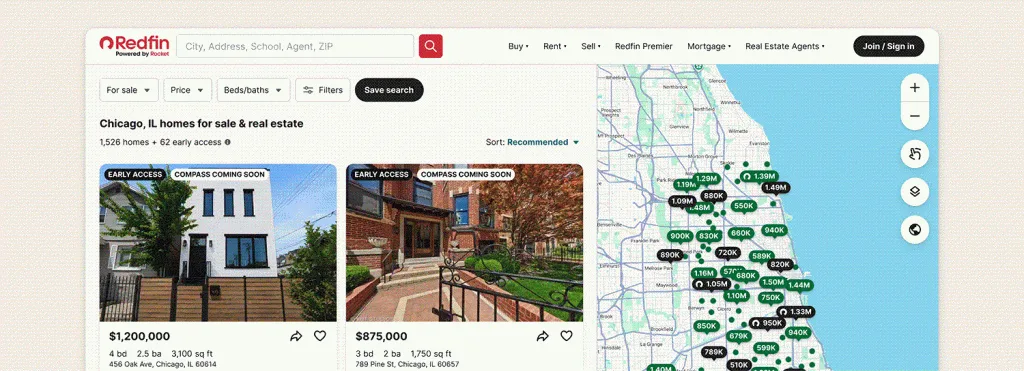
In response to these pressures, real estate technology firms and brokerages are introducing more nuanced ways to bring properties to market. Redfin, a major player in the digital real estate space, has been at the forefront of this shift with its Early Access program. This initiative allows sellers to market their homes selectively before a broad debut on the Multiple Listing Service (MLS) and other national aggregators. This strategic maneuver is not merely a technological update but a shift in the philosophy of property sales, offering a period of price discovery and preparation that was previously unavailable to the average homeowner.
The Mechanics of Selective Marketing and Early Access
The concept of "coming soon" listings is not entirely new, but its integration into major consumer-facing platforms represents a new era of transparency and accessibility. Under programs like Redfin Early Access, homes are featured on the Redfin platform before they are syndicated to the wider web. This includes a strategic national partnership with Compass International Holdings, ensuring that listings from both major brands are visible to a combined audience of tens of millions of users before they hit secondary search engines.
For the modern homebuyer, this creates a two-tiered discovery process. Instead of every site displaying identical data, the source of the search now dictates the speed of information. In a market where nearly one-third of homes nationwide go under contract within just two weeks of listing, a lead time of even a few days can be the difference between securing a viewing and missing out on a property entirely.
For sellers, the "soft launch" acts as a buffer. It allows for a period of "price testing"—a critical phase in a fluctuating economy where interest rates and local demand can change monthly. By gauging initial interest and collecting feedback from early viewers, sellers can adjust their strategy without the permanent digital "scar" of a public price drop or an inflated "days on market" counter, both of which are tracked religiously by savvy buyers and their agents.
A Chronology of the Listing Revolution
The shift toward selective marketing can be traced back to the tightening of inventory following the 2020 housing boom. As demand skyrocketed and supply dwindled, "pocket listings"—homes sold privately without ever hitting the open market—became a point of contention within the industry. Critics argued they reduced transparency and fairness, while proponents argued they protected seller privacy.

In late 2019 and early 2020, the National Association of Realtors (NAR) implemented the "Clear Cooperation Policy," which required brokers to list a property on the MLS within one business day of marketing it to the public. This was intended to ensure all buyers had a fair shot at every home. However, the policy allowed for a "Coming Soon" status, provided the rules of the local MLS were followed.
By 2024 and 2026, technology companies began to refine this "Coming Soon" window. What was once a simple sign in a front yard evolved into a digital pre-marketing phase. Redfin’s introduction of Early Access formalized this process, creating a legal and transparent way to provide "sneak peeks" to active users. This timeline reflects a broader move toward "data exclusivity" as a value proposition for real estate platforms seeking to retain users in a highly competitive digital environment.
Supporting Data: Consumer Interest vs. Awareness
Despite the strategic advantages of these new listing methods, a significant gap in consumer awareness remains. According to a recent Redfin survey of 1,000 U.S. consumers, approximately 50% of respondents reported being unfamiliar with the option to market homes selectively before a broad advertisement. This lack of awareness suggests that while the industry is moving toward these models, the general public still largely views the real estate market through the lens of the traditional, all-at-once listing.
However, once the concept is explained, interest levels are remarkably high. Redfin’s research indicates that 83% of prospective sellers are interested in a "coming soon" approach. Furthermore, 88% of homeowners planning to sell within the next three years expressed a desire to collect feedback on pricing and buyer interest before committing to a wide-scale debut.
These figures highlight a latent demand for more control over the selling process. In a market shifting in favor of buyers—where inventory is slowly rising and buyers are becoming more discerning due to higher borrowing costs—sellers are looking for any tool that helps them make a "perfect" first impression. The data suggests that the "one-shot" listing is increasingly viewed as a risk rather than a standard.
Real-World Implications: Agent Perspectives and Case Studies
The practical application of early access listings is best illustrated through the experiences of real estate professionals on the ground. In Maryland, Redfin agent Lily Karvouni recounted an instance where the speed of information directly resulted in a successful transaction. While conducting a pre-inspection for a different property, Karvouni received an Early Access alert for a new listing. Because the home was visible on Redfin before other portals, her client was able to secure a private showing within 30 minutes. The ability to move fast—before the home was widely available—allowed the buyer to submit a strong, early offer that met the seller’s needs, bypassing the potential for a chaotic bidding war once the home hit the broader market.
Similarly, in the competitive Chicago market, Redfin Premier agent Dan Close utilized the "coming soon" strategy to solve a complex timing issue for his clients. The sellers had found a new home but needed a flexible closing date to accommodate their move. By listing the home as "coming soon" on Redfin, Close was able to generate significant demand while the sellers were still months away from being able to vacate. This "soft" period allowed for a single day of concentrated showings that resulted in multiple offers above the asking price, all while providing the sellers with the specific post-closing possession terms they required.
These anecdotes underscore a critical shift: "Coming soon" is no longer just about generating hype; it is a logistical tool used to align the complex lives of sellers with the urgent needs of buyers.
Official Responses and Industry Stance
The official position from Redfin and similar tech-forward brokerages is rooted in the concept of "Consumer Choice." The company maintains that there is no one-size-fits-all approach to real estate marketing. Some homeowners, particularly those in high-profile positions or those with specific security concerns, value the privacy and controlled exposure that a selective marketing period provides. Others, seeking the highest possible price in the shortest time, may still opt for the traditional "maximum exposure" model.
Redfin has publicly called for more flexibility in how homes are marketed, arguing that the decision should rest with the homeowner and their hired professional rather than being dictated by rigid, legacy industry rules. This stance reflects a broader push for "Seller Choice," a philosophy that emphasizes the homeowner’s right to determine how their most valuable asset is presented to the world.
Broader Impact and Market Implications
The rise of Early Access and "coming soon" strategies has several long-term implications for the real estate industry:
- The Death of the "Average" Buyer: Buyers who do not utilize advanced search tools or work with agents who have access to early data may find themselves at a perpetual disadvantage. The "market" is no longer a single, unified pool of information but a tiered system where the most engaged participants see the best opportunities first.
- Pricing Accuracy: As sellers use early listing periods to test prices, the "asking price" of a home when it finally hits the MLS may become more accurate. This could lead to fewer price drops and a more stable market, as the "discovery" phase happens behind the scenes or in a controlled environment.
- The Role of the Real Estate Agent: These tools change the value proposition of a real estate agent. An agent’s value is increasingly tied to their ability to navigate these different tiers of data and provide "inside" access that a casual browser on a generic search site might miss.
- Data Fragmentation: If more brokerages follow the Redfin/Compass model of exclusive partnerships, the dream of a "single source of truth" for real estate data may fade. Consumers may find it necessary to use multiple apps and platforms to ensure they are seeing 100% of the available inventory.
In conclusion, the emergence of soft-launch strategies like Redfin Early Access represents a maturation of the digital real estate market. By offering sellers a way to mitigate risk and buyers a way to gain a competitive edge, these programs are addressing the inherent stresses of the traditional listing process. While consumer awareness is still catching up, the high levels of interest among prospective sellers suggest that the "coming soon" model will likely become a permanent and prominent fixture of the American home-selling experience. For those navigating the market today, the message is clear: the home you are looking for might already be for sale—you just have to know where to look.