The illusion of a solved housing crisis often dissolves the moment a tenant touches a doorknob that refuses to turn. For prospective renters navigating New York City’s hyper-competitive housing landscape, the ultimate nightmare is arriving at a newly leased apartment with a moving truck idling outside, only to discover that the keys are fraudulent, the broker has vanished, and the home belongs to someone else entirely. This harrowing scenario became a reality for more than a dozen apartment-hunters across Queens and Brooklyn, victims of an elaborate, year-long rental fraud scheme orchestrated by a 35-year-old Long Island resident named Rajat Verma.
According to a criminal indictment handed down by the Queens District Attorney’s Office, Verma exploited the profound desperation of individuals searching for affordable housing in one of the most volatile real estate markets in modern American history. By assuming at least a dozen distinct aliases—including "Bobby Gupta," "Dave Mair," and "Samir"—Verma allegedly posed as a legitimate real-estate agent, listing properties he had no legal right to lease, collecting upfront deposits, and issuing counterfeit keys. The case has cast a harsh light on the vulnerabilities plaguing the city’s rental market, prompting renewed warnings from municipal prosecutors and housing advocates alike.
The Mechanics of the Con: A Chronology of Deception
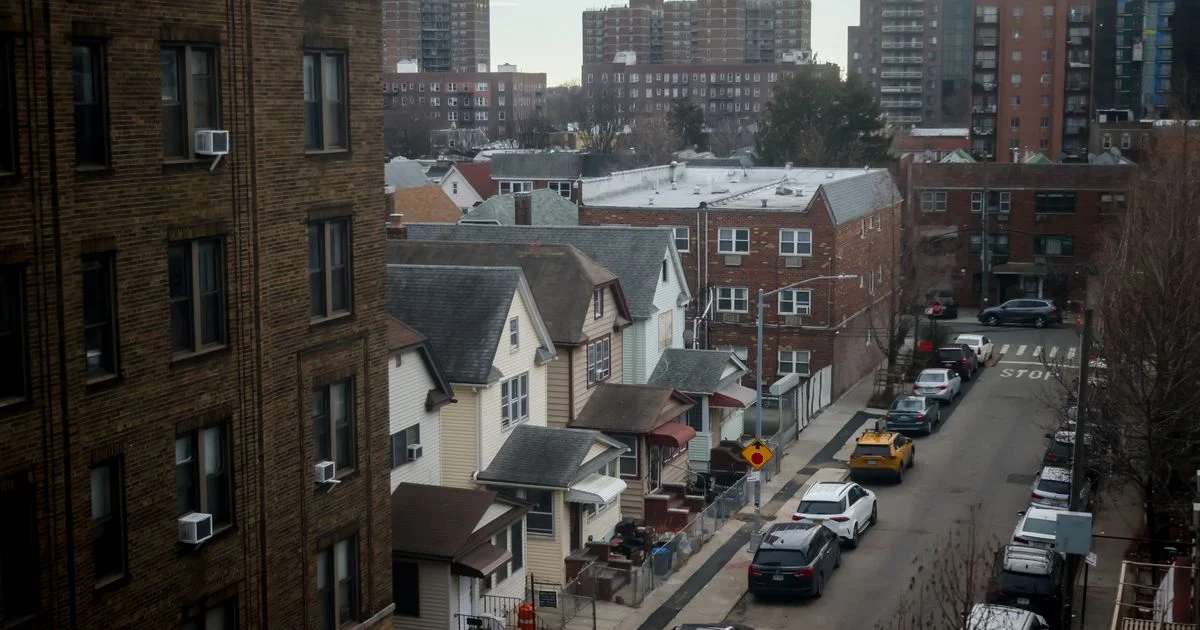
The operational blueprint utilized by Verma between September 2022 and November 2023 was as audacious as it was destructive. Rather than simply fabricating listings out of thin air, Verma targeted actual, legitimate rental vacancies across neighborhoods stretching from Maspeth and College Point in Queens to Bay Ridge in Brooklyn.
Investigators detail a calculated, multi-step process. First, Verma would apply for authentic apartment listings through standard channels. Upon being approved or gaining initial access, he would issue fraudulent checks to the actual property owners or landlords in exchange for the keys. This bought him a critical window of time. While landlords deposited the checks—unaware that the funds would ultimately bounce or that the accounts were bogus—Verma went to work on the digital marketplace.
Operating under roughly twelve different aliases, Verma advertised these very same apartments online, targeting desperate seekers with prices that seemed fair relative to the exorbitant median rents of the era. At least 15 prospective tenants fell for the listings across eight different properties. They toured the apartments, negotiated terms, signed phony lease agreements, and handed over substantial sums of money to cover first month’s rent, broker fees, and security deposits.
The audacity of the scheme reached its peak when victims attempted to move in. In several instances, tenants arrived with their belongings only to find that the keys they had been given did not work in the locks. In one particularly egregious case highlighted by the district attorney’s office, a tenant unlocked the door to their supposed new home only to discover that a completely different family—who had also been duped by Verma in a parallel transaction—was already living inside.
By the time the scheme unraveled and landlords realized their checks had bounced while tenants discovered they had been swindled, Verma had allegedly pocketed $61,625 in illicit gains.
Legal Fallout and Official Responses
The months of deception finally culminated in a criminal indictment led by Queens District Attorney Melinda Katz. Verma faces serious felony charges, including grand larceny, identity theft, and scheme to defraud. If convicted on all counts, he faces up to seven years in New York State prison.
"This defendant took advantage of those seeking housing by purporting to be a real-estate agent and renting out properties that did not belong to him," Katz stated following the announcement of the indictment. "The unsuspecting tenants gave him payments and signed phony leases that left them without their money and housing."
Conversely, the defense has firmly pushed back against the gravity of the allegations. Joseph Grasso, the attorney representing Verma, denied the charges in statements to the press, portraying his client in a drastically different light. Grasso described Verma as a "devoted husband, father, and family man who resides with and helps care for his elderly parents," suggesting that the legal proceedings would reveal a narrative far more complex than the prosecution’s initial presentation.
A Broader Epidemic: New York’s Rental Crisis as a Breeding Ground for Fraud
While Verma’s multi-tiered identity-shifting scheme stands out for its logistical complexity, it is far from an isolated incident in the contemporary urban landscape. New York City’s residential rental market has transformed into fertile ground for predatory actors, driven by unprecedented structural supply shortages and skyrocketing costs.
Recent municipal data underscores the precarious position of the average renter. The citywide vacancy rate plummeted to a historic low of 1.4 percent, a figure that housing experts describe as a severe emergency threshold. Concurrently, market-rate rents have persistently hovered near record highs, creating an environment of intense competition where prospective tenants frequently feel pressured to wire money or hand over cash deposits immediately upon viewing a property to avoid missing out.
This desperation has emboldened scammers across the five boroughs. Just last year, a parallel case captured headlines when a Manhattan man named Nicholas Fuelling pleaded guilty to grand larceny and fraud after scamming 17 individuals out of approximately $50,000. Fuelling had advertised a $3,200-a-month sublease for a room in a Hell’s Kitchen apartment he was renting, collecting funds from multiple applicants who were ultimately left stranded and, in some cases, temporarily homeless.

Similarly, in the summer preceding Verma’s indictment, a man named Juan Valoy pleaded guilty to operating a fraudulent scheme in Manhattan and the Bronx. Valoy posed as a legitimate real-estate broker, systematically siphoning over $100,000 in security deposits and application fees from nearly two dozen victims before law enforcement caught up with him.
Alvin Bragg, the Manhattan District Attorney, addressed the systemic nature of these crimes during an interview with Crain’s New York, noting the opportunistic nature of economic predators in tight markets. "The real-estate market is tight, and opportunity breeds fertile ground for fraud," Bragg warned. "We see people who are quite good at fraud and exploiting a moment."
Implications and How Renters Can Protect Themselves
The proliferation of sophisticated rental scams has forced municipal agencies, legal aid organizations, and consumer advocates to ramp up educational campaigns aimed at arming renters with defensive strategies. Housing authorities emphasize that fraud often relies on psychological pressure—scammers frequently urge prospective tenants to bypass standard verification protocols by claiming there are dozens of other applicants waiting in the wings.
To combat these tactics, experts recommend several baseline precautionary measures:
- Verify Licensing: The New York Department of State maintains a comprehensive online database of all officially licensed real-estate brokers and salespersons operating within the state. If an individual claims to be an agent, their name should appear in this registry.
- Conduct Independent Research: Simple digital footprints matter. Cross-referencing phone numbers, email addresses, and names can often unearth inconsistencies or prior complaints.
- Inspect Payment Methods: Legitimate brokerages and landlords rarely require cash, cryptocurrency, or untraceable peer-to-peer wire transfers for initial deposits. Payments should ideally be made via trackable, formal channels tied to verified corporate entities or bank accounts.
- Trust Intuition: Real estate attorneys consistently advise that if a deal appears significantly below market value, or if a landlord or broker exhibits reluctance to meet in person or provide legal documentation, renters should trust their instincts and walk away.
As the judicial process moves forward in the case against Rajat Verma, the broader systemic challenges of housing accessibility and regulatory oversight in New York remain at the forefront. Until supply catches up with demand, the burden largely falls on renters to navigate a market where the line between securing a home and falling victim to a criminal enterprise is perilously thin.
Individuals with additional information regarding the Verma case or similar rental scams are encouraged to contact investigators or reach out via email at [email protected].