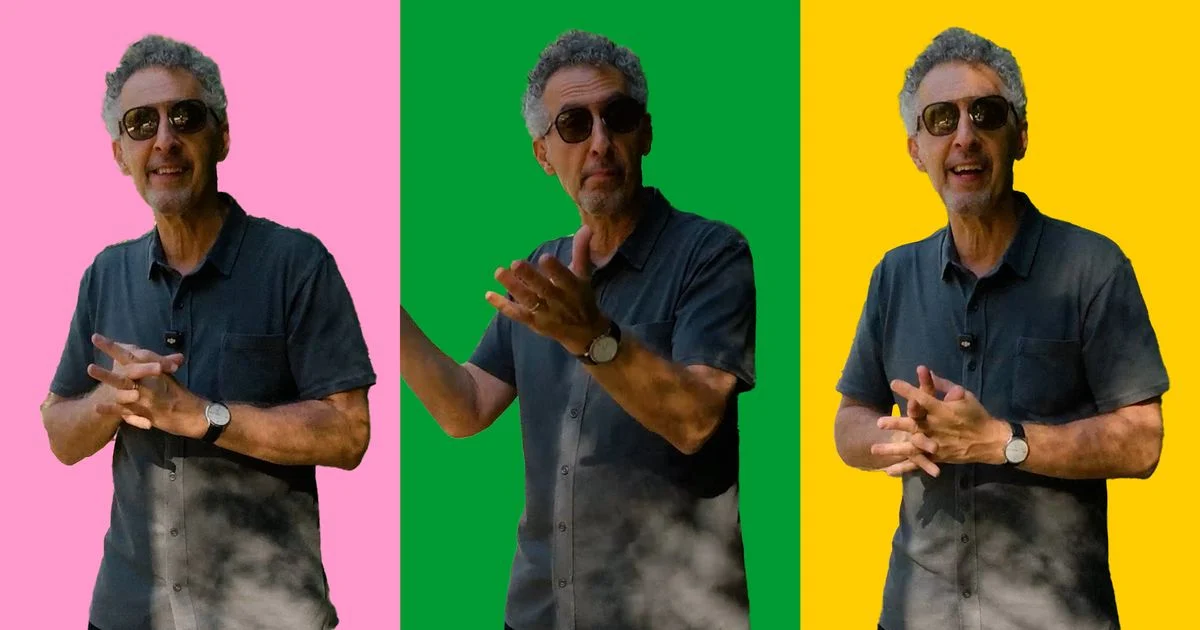
The veteran actor, writer, and director John Turturro recently sat down for an installment of Curbed’s NYQ video series to test his civic bona fides and establish his permanent standing in the unofficial hierarchy of New York City authenticity. Turturro, whose career spans dozens of iconic film and television performances across independent cinema and mainstream blockbusters alike, represents a specific type of native New Yorker: one whose identity is inextricably tied to the outer boroughs, mid-century municipal shifts, and the gritty, vanished artistic landscape of late-twentieth-century Manhattan.
As cities across the globe experience rapid gentrification, homogenization, and the continuous erosion of historical architecture, cultural metrics like NYQ attempt to quantify a disappearing ethos. Turturro’s responses to a rapid-fire series of geographical, historical, and cultural prompts offer a fascinating case study in urban endurance. Spanning more than five decades of personal history in the five boroughs, his interview provides a rare glimpse into the lived experience of a lifelong local navigating the friction between the city of his youth and the metropolis of the twenty-first century.
Main Facts and Personal Background
John Turturro’s relationship with New York City is rooted deeply in his family history and working-class origins. Born in Brooklyn and raised primarily in Queens, Turturro has lived in the metropolitan area for over half a century. During this extensive tenure, he has relocated approximately seven times—a modest figure for a New Yorker, reflecting a stability uncommon among transient artists and modern transplants.
His childhood in Queens defined his early perception of urban geography. When asked whether he refers to Manhattan as "the city" or by its proper name, Turturro confirmed a classic New York linguistic marker: growing up in the outer boroughs meant that going to Manhattan was always referred to simply as "going to the city." This terminology, deeply embedded in the dialect of outer-borough residents, establishes a mental and geographic border that separates the residential neighborhoods from the commercial and cultural core of the island.
Turturro’s professional and personal anecdotes further ground his authenticity. He recalled working multiple odd jobs and construction projects alongside his father in Staten Island—a borough his father humorously dubbed "the Blob" due to the dense, red clay soil that routinely coated their work vehicles. These formative experiences highlight an era of industrial labor and physical infrastructure development that preceded the modern residential booms of the outer boroughs.
Chronology of a New York Life
To fully understand Turturro’s perspective, it is necessary to examine the timeline of his urban engagement, which mirrors the cultural and economic evolution of New York City from the 1960s to the present day:
- Late 1960s to 1970s: Turturro grows up in Queens, navigating a city defined by fiscal crisis, industrial labor, and distinct neighborhood enclaves.
- Early Off-Off-Broadway Era: Turturro begins his theatrical career in experimental downtown spaces. To promote shows during the cultural and sexual revolution of the era, he famously handed out flyers in short shorts alongside fellow actors to drum up audiences.
- 1980s Bartending Years: Before achieving widespread cinematic recognition, Turturro worked as a bartender at the Right Bank, where he served drinks to cultural figures at the height of their fame, including a young Al Pacino, whom Turturro fondly remembers sending home with containers of ice cream.
- Decades of Film and Stage Work: Turturro builds an acclaimed career collaborating with auteurs like Spike Lee and the Coen brothers, while maintaining a permanent physical and emotional anchor in New York neighborhoods.
- Present Day: Celebrating over 50 years of residency, Turturro engages with contemporary urban life, balancing modern navigation challenges with nostalgic memories of lost institutions.
Urban Navigation and Infrastructure Realities
The NYQ questionnaire subjects participants to practical urban tests, designed to expose whether a celebrity relies on digital conveniences or possesses an innate mental map of the city. When challenged to navigate from Barney Greengrass on the Upper West Side to the Morgan Library in Murray Hill without digital assistance, Turturro opted for a hybrid approach: walking eastward before catching the Lexington Avenue 6 train. While not the most direct route, his logistical intuition reflects the practical habits of a pedestrian who understands the grid system rather than blindly following a screen.
When discussing modern taxi drivers and GPS dependency, Turturro offered a critique familiar to long-term residents. He noted that contemporary drivers rely almost exclusively on algorithmic mapping systems, frequently missing the intuitive alternate routes and traffic workarounds known to veteran cabbies of previous decades. This reliance on digital infrastructure, Turturro implies, strips the city of its idiosyncratic human knowledge.
His subway experiences likewise speak to the unpredictable nature of the Metropolitan Transportation Authority (MTA). Admitting to wait times of up to 45 minutes or an hour on subterranean platforms, Turturro demonstrates a shared endurance with millions of daily commuters who weather infrastructural delays as an unavoidable tax of urban living.
Cultural Nostalgia and Lost Institutions
Much of Turturro’s interview centers on the phantom geography of New York City—the theaters, bars, and cultural landmarks that have been permanently erased by economic pressures and real estate development.
Among the losses he laments is the Ridiculous Theatrical Company, run by playwright and actor Charles Ludlam at Sheridan Square. Turturro praised Ludlam as a theatrical genius and a brilliant cross-dresser who carried entire productions on his own comedic and dramatic weight. The closure of such venues represents a profound cultural shift away from the eccentric, avant-garde fringe that once defined Greenwich Village and the downtown theater scene.
Conversely, Turturro maintains an appreciation for the city’s enduring institutions and occasional architectural surprises. When asked about tourist habits that he secretly shares, Turturro confessed a genuine sense of wonder when exploring historic indoor spaces, such as his recent discovery of the Beekman Hotel. For a native accustomed to the city’s rough edges, moments of unexpected architectural grandeur prove that New York can still induce awe.
His ideal holiday weekend itinerary further underscores his local sensibilities. While tourists and affluent residents flee for coastal retreats or suburban sanctuaries during long weekends, Turturro prefers to stay behind. He actively seeks out the quietude of local green spaces, including public parks, botanical gardens, and the sprawling historic grounds of Green-Wood Cemetery in Brooklyn, alongside cultural touchstones like the Film Forum.
Broader Impact and Implications
The cultural exercise of measuring "New Yorkness" goes beyond lighthearted celebrity trivia; it touches upon anxieties regarding the commodification and sanitization of urban centers. As housing costs skyrocket and independent businesses give way to chain stores and luxury high-rises, the collective memory preserved by long-term residents like John Turturro becomes a vital archive of the city’s soul.
Interviews of this nature highlight the tension between the mythologized New York of cinematic lore—gritty, dangerous, wildly creative, and unpredictable—and the hyper-regulated, digitized municipality of today. Turturro’s memories of eating eleven Sabrett hot dogs on Staten Island with his father, working alongside legendary actors in dimly lit bars, and handing out flyers in the bohemian theater district evoke a lost era that current generations can only access through oral history and archival records.
Ultimately, Turturro’s score on the hypothetical NYQ scale is secure not merely because of the duration of his residency, but because his personal narrative is woven into the physical and cultural fabric of the metropolis. By embracing both the enduring public parks and the ghosts of vanished theaters, Turturro exemplifies the resilient spirit of a true New Yorker, weathering the city’s endless transformations without losing sight of the foundational elements that made it legendary.