
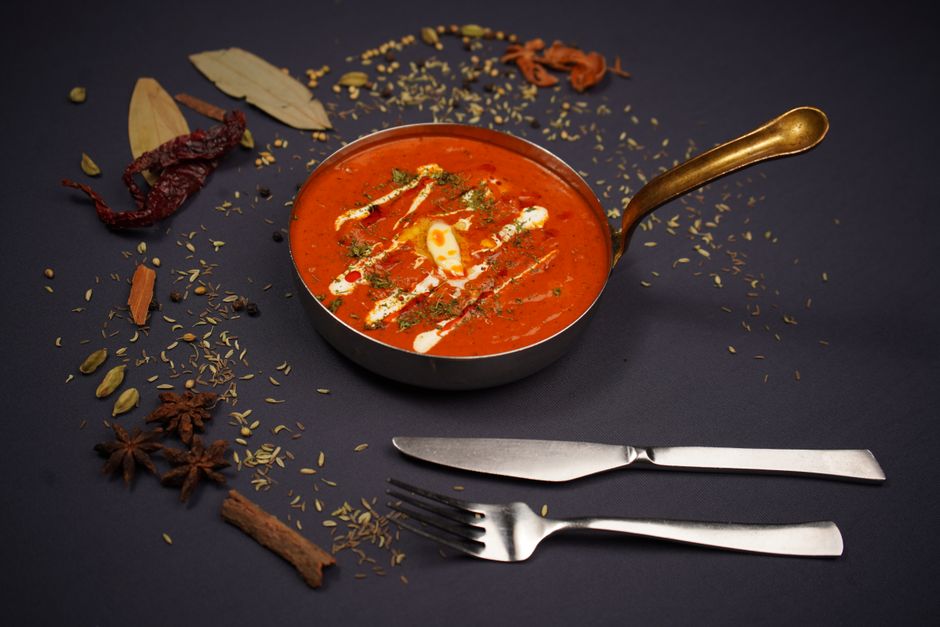
Paneer Methi Malai: A Creamy, Lavish Addition to Your Usual Dinner Spread
Paneer methi malai, a celebrated dish within Indian cuisine, offers a luxurious departure from the everyday, infusing familiar ingredients with an opulent creaminess and the distinct, subtly bitter notes of fenugreek. This dish, often found gracing special occasion menus and family gatherings, transforms humble paneer into a centerpiece of richness and aromatic complexity. Its appeal lies in its balanced flavor profile, where the mild sweetness of the paneer and the creamy malai base are expertly complemented by the earthy, herbaceous undertones of methi (fenugreek leaves). The preparation, while seemingly straightforward, requires attention to detail to achieve the perfect velvety texture and harmonious blend of spices, making it an ideal addition for those seeking to elevate their regular dinner rotation with a touch of sophisticated indulgence.
The foundational elements of paneer methi malai are key to understanding its appeal and versatility. Paneer, a fresh, non-melting Indian cheese, is typically cubed and pan-fried to achieve a slightly golden exterior while retaining a soft, yielding interior. This frying step is crucial; it prevents the paneer from becoming rubbery in the sauce and adds a subtle textural contrast. The malai, or fresh cream, provides the dish’s signature richness. It’s not merely a liquid component but contributes a luscious mouthfeel and a delicate sweetness that rounds out the flavors. Fenugreek leaves, or methi, are the aromatic heart of the dish. Fresh methi leaves, when sautéed, release a characteristic aroma and a complex flavor that is slightly bitter, herbaceous, and subtly sweet. Dried fenugreek leaves (kasuri methi) are also commonly used and offer a more concentrated, pungent flavor, often crushed before being added to the curry to maximize their aromatic release. The interplay between these three core ingredients—paneer, malai, and methi—forms the distinctive character of this lavish curry, setting it apart from simpler paneer preparations.
Delving into the preparation of paneer methi malai reveals a culinary process that prioritizes building layers of flavor and achieving a smooth, emulsified sauce. The base is typically formed by sautéing finely chopped onions until golden brown, followed by ginger and garlic paste, which are essential aromatics in Indian cooking, releasing their pungent and spicy notes. Tomatoes are often incorporated, though in paneer methi malai, their presence is usually subtle, providing a touch of acidity without dominating the creaminess. The spices are where the dish truly comes alive. Turmeric powder lends its vibrant yellow hue and earthy undertones, while coriander powder adds a warm, citrusy depth. Cumin powder contributes a nutty, smoky flavor. The subtle heat often comes from green chilies, finely chopped or used as a paste, allowing for a controlled level of spice that complements rather than overwhelms the richer elements. Garam masala, a blend of ground spices, is usually added towards the end of cooking to preserve its fragrant aromas. The addition of water or broth helps to create the desired sauce consistency, allowing the flavors to meld and deepen.
The unique contribution of methi to this dish cannot be overstated. Fresh fenugreek leaves undergo a brief sautéing process, often with the onions and other aromatics. This initial cooking helps to mellow their natural bitterness and release their essential oils. If using dried fenugreek leaves (kasuri methi), they are typically toasted lightly in a dry pan until fragrant and then crushed between the palms before being added to the gravy. This technique intensifies their aroma and ensures they dissolve seamlessly into the sauce. The balance of methi is critical; too little, and its characteristic flavor will be lost; too much, and the bitterness can become overpowering. Experienced cooks often taste and adjust the methi quantity based on the potency of the leaves and personal preference, aiming for a subtle herbaceous complexity that enhances, rather than masks, the creaminess of the malai and the mildness of the paneer.
The creamy, luscious texture of paneer methi malai is achieved through the judicious use of malai (fresh cream) and, often, a touch of yogurt or cashew paste. After the initial sautéing of aromatics and spices, the gravy is simmered to allow the flavors to meld. The malai is then incorporated, usually added towards the end of the cooking process to prevent it from curdling. Stirring gently and continuously ensures the cream emulsifies smoothly into the gravy, creating a rich, velvety consistency. Some recipes also advocate for the addition of blanched and ground cashew nuts, which contribute an additional layer of richness and a subtle nutty flavor, further enhancing the creaminess and body of the sauce. A small amount of yogurt can also be whisked in, though it must be tempered carefully to avoid separation. The goal is a luxurious, coating sauce that clings beautifully to the paneer cubes.
The paneer itself is a star ingredient that requires careful handling to maintain its delicate texture within the rich gravy. Cubes of paneer are often lightly fried in ghee or oil until they achieve a light golden hue. This frying process not only adds a slight crispness to the exterior but also helps the paneer absorb the flavors of the gravy more effectively without becoming soggy or disintegrating. Alternatively, some prefer to add raw paneer cubes directly to the simmering gravy, allowing them to soften and absorb the flavors as the dish cooks. The choice depends on the desired textural outcome; fried paneer offers a more substantial bite, while unfried paneer provides a melt-in-your-mouth experience. Regardless of the preparation method, the paneer is typically added towards the end of the cooking process to prevent it from becoming tough or rubbery from prolonged simmering.
Nutritional considerations for paneer methi malai are important for understanding its place in a balanced diet. While undoubtedly a rich and indulgent dish, it offers several nutritional benefits. Paneer is a good source of protein, essential for muscle repair and growth, and also provides calcium, vital for bone health. Fenugreek leaves are packed with vitamins and minerals, including iron, vitamin A, vitamin C, and folic acid. They are also known for their potential health benefits, such as improving digestion and managing blood sugar levels. The primary contributors to its calorie and fat content are the malai and ghee used in its preparation. For those mindful of calorie intake, lighter versions can be achieved by using low-fat cream or a combination of yogurt and a smaller amount of cream. The overall nutritional profile is a testament to the wisdom of traditional Indian cooking, where staple ingredients are combined to create dishes that are both satisfying and nourishing.
Serving paneer methi malai is an integral part of the dining experience, and its accompaniments play a crucial role in complementing its rich flavors. It pairs exceptionally well with plain naan, a leavened flatbread that is perfect for scooping up the creamy gravy. Garlic naan, brushed with melted butter and minced garlic, adds an extra dimension of flavor. Tandoori roti, a whole wheat flatbread cooked in a tandoor oven, offers a slightly smoky char that contrasts beautifully with the richness of the curry. For those preferring rice, basmati rice, either plain or jeera rice (tempered with cumin seeds), serves as an excellent base to soak up the delicious sauce. A simple side of sliced onions, lemon wedges, and perhaps a dollop of plain yogurt can offer palate cleansers and add freshness to the meal. The vibrant green of freshly chopped cilantro or mint leaves as a garnish adds a final touch of color and aromatic lift.
The cultural significance of paneer methi malai in Indian cuisine lies in its association with celebratory meals and gatherings. It is a dish that speaks of hospitality and abundance, often prepared to impress guests or mark special occasions like weddings, festivals, and family reunions. Its presence on a dining table signifies a thoughtful and generous offering, showcasing a culinary skill that balances rich ingredients with nuanced flavors. The combination of paneer, a ubiquitous ingredient across North India, with the distinctive methi, which has a long history of use in traditional remedies and cooking, reflects a deep understanding of local produce and its culinary potential. The malai base further elevates it, transforming it from a simple vegetable dish into something truly celebratory.
Variations and adaptations of paneer methi malai demonstrate its inherent flexibility and widespread appeal. While the core ingredients remain consistent, regional nuances and personal preferences lead to interesting divergences. Some cooks might add a pinch of sugar to balance the bitterness of the methi, while others might opt for a spicier rendition by increasing the amount of green chilies or adding a touch of red chili powder. The use of other creamy bases, such as ground almonds or pistachios, can also offer alternative textures and flavors. For those with dairy sensitivities, coconut milk can be a viable, albeit different, creamy alternative. The beauty of this dish lies in its ability to be adapted, allowing for a personalized touch while retaining its essence of creamy, herbaceous luxury.
SEO considerations for the topic of paneer methi malai involve targeting keywords that potential diners and home cooks would use when searching for this dish. Relevant keywords include: "paneer methi malai recipe," "creamy paneer curry," "Indian fenugreek curry," "rich paneer dish," "malai paneer," "best paneer recipes," "special occasion Indian food," and "how to make paneer methi malai." Including these terms naturally throughout the article, particularly in headings and the opening paragraphs, will enhance its visibility in search engine results. Discussing "paneer methi malai calories," "paneer methi malai nutritional value," and "paneer methi malai benefits" can attract users interested in the health aspects of the dish. Furthermore, mentioning "paneer methi malai with naan," "paneer methi malai with rice," and "paneer methi malai accompaniments" will cater to users looking for serving suggestions. The article’s comprehensive nature, covering preparation, ingredients, nutritional aspects, and cultural significance, ensures it addresses a wide range of search queries related to paneer methi malai.
In conclusion, paneer methi malai stands as a testament to the art of Indian home cooking, offering a luxurious and deeply satisfying culinary experience. Its creamy richness, derived from malai and expertly balanced by the distinct herbaceous notes of fenugreek, makes it an ideal candidate for elevating any dinner spread. The careful selection and preparation of its core components – tender paneer, aromatic spices, and the subtle complexity of methi – culminate in a dish that is both comforting and sophisticated. Whether prepared for a festive occasion or as a special treat, paneer methi malai delivers a lavish addition to the palate, showcasing the depth and versatility of Indian cuisine.
