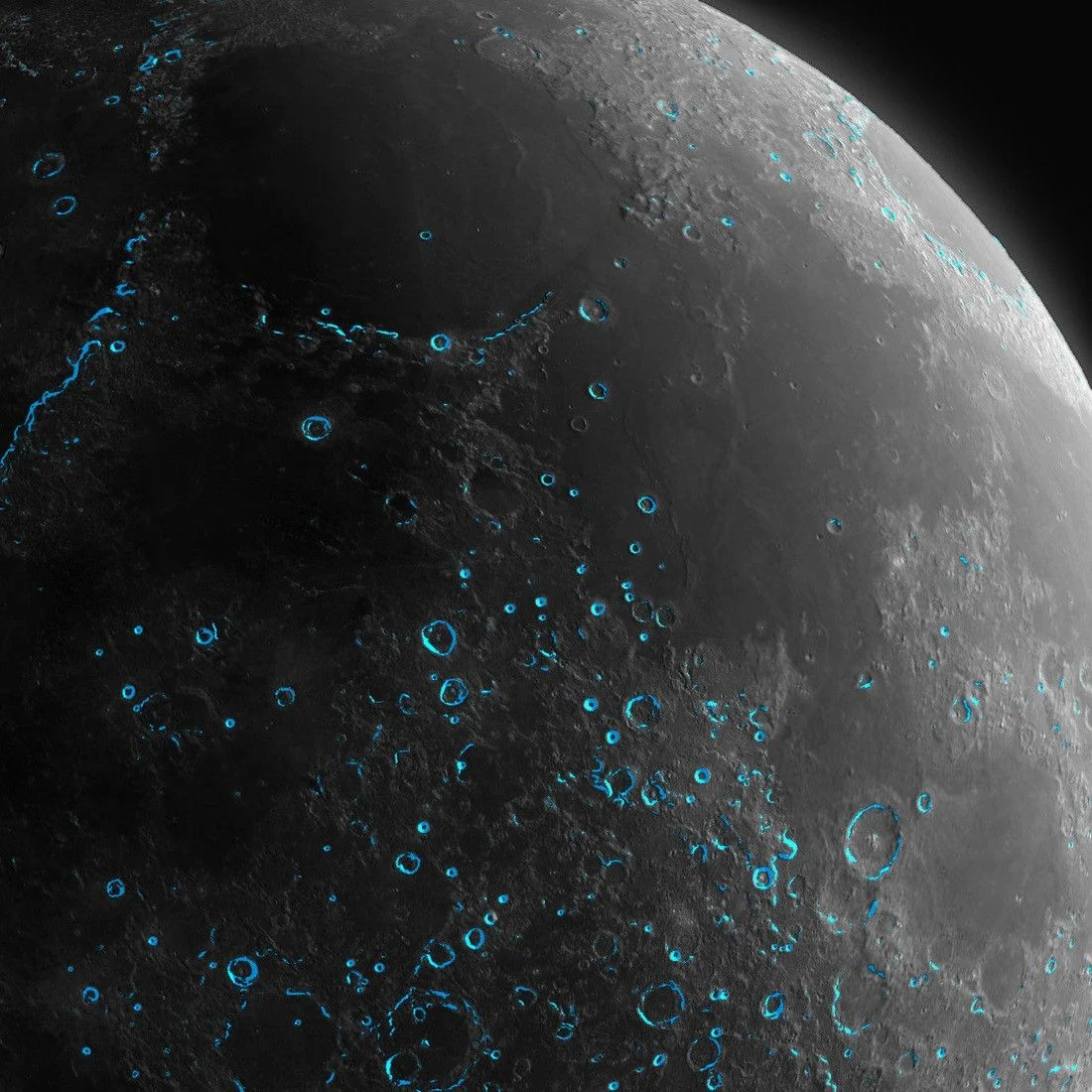
The U.S. Space & Rocket Center in Huntsville, Alabama, will transform into a hub of lunar exploration on Saturday, Sept. 19, as NASA’s Marshall Space Flight Center hosts its annual celebration of International Observe the Moon Night. Running from 5:30 p.m. to 8 p.m. CST, this public event is designed to foster a deeper understanding of the Moon’s pivotal role in planetary science, human history, and the burgeoning era of deep-space exploration. As the official visitor center for NASA’s Marshall Space Flight Center, the venue will provide an immersive environment for attendees to engage with the agency’s latest lunar objectives and educational initiatives.
A Global Celebration of Lunar Science
International Observe the Moon Night is a worldwide public engagement event that encourages observation, appreciation, and understanding of our celestial neighbor. While the event at Huntsville serves as a focal point for the local community, it is part of a broader, global effort coordinated by NASA to inspire interest in planetary science. The event is presented by the Planetary Missions Program Office at NASA Marshall, an organization responsible for managing a portfolio of planetary exploration projects that contribute to our collective knowledge of the solar system.
The evening will feature a comprehensive program designed to appeal to both casual observers and science enthusiasts. Experts from NASA will be on-site to deliver technical talks regarding lunar geology, the current state of lunar science, and the logistical complexities of future exploration. A significant portion of the presentation will be dedicated to the Artemis II mission. Attendees will hear detailed insights into the lunar observations conducted by the Artemis II crew during their mission in April, offering a firsthand perspective on how human exploration is currently shaping our understanding of the lunar surface.
Engaging the Next Generation of Explorers
Beyond technical lectures, the event emphasizes hands-on STEM engagement. Recognizing the importance of cultivating the next generation of scientists and engineers, organizers have curated a series of activities including interactive science demonstrations, a dedicated science stage show, and themed activities such as face-painting and a photo booth. These efforts are intended to bridge the gap between complex aerospace concepts and accessible, community-based learning.
A key highlight of this year’s event is the appearance of Janet Ivey, host of the acclaimed children’s television series "Janet’s Planet." Ivey, known for her ability to distill complex astronomical concepts into engaging content for younger audiences, will be present to interact with attendees and share her passion for space exploration. Her involvement underscores the event’s commitment to public outreach and science communication, ensuring that the wonder of space remains accessible to all age groups.
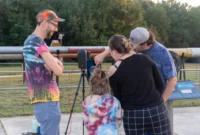
Complementing these activities, the Von Braun Astronomical Society will provide an essential service by setting up high-powered telescopes on the museum grounds. These guided tours of the night sky will allow the public to view the Moon, nearby planets, and other deep-space objects with professional-grade equipment. This practical element of the evening aims to demystify the night sky, transforming abstract scientific data into a tangible, awe-inspiring experience for the public.
The Artemis Context: Returning to the Moon
The timing of this event is particularly significant given the current trajectory of NASA’s Artemis program. The Artemis missions represent the most ambitious attempt to return humanity to the Moon in over half a century. Unlike the Apollo era, which was defined by short-term exploration, the Artemis program seeks to establish a sustainable human presence on and around the Moon. This long-term goal is intended to serve as a testing ground for future missions to Mars and beyond.
The Artemis II crew, mentioned in the event programming, marks a critical milestone in this strategy. By observing the lunar surface and testing the performance of the Orion spacecraft in deep space, the crew has provided invaluable data that informs the development of the Lunar Gateway and the eventual human landing missions. The inclusion of these observations in the Saturday program serves as a reminder that the Moon is not merely a static object of scientific curiosity, but an active laboratory for technological innovation.
Logistical Information for Media and Public
The event is free and open to the public, though media representatives interested in coverage are required to coordinate with the NASA Marshall newsroom. Joel Wallace, the primary point of contact, has requested that all media confirm their attendance by 3 p.m. on Friday, Sept. 18, to ensure access to specific interview opportunities and visual capture points. Media personnel are instructed to report to the Davidson Center at the U.S. Space & Rocket Center upon arrival. Visitor parking is readily available on-site, ensuring that the event remains accessible for all guests.
For those unable to attend in person, NASA provides extensive resources through its online portal at https://science.nasa.gov/moon/observe-the-moon-night/overview. The website serves as a repository for educational materials, observation guides, and information on how the global community can participate in International Observe the Moon Night from their own backyards.
Broader Implications of Lunar Engagement
The decision to host such events at the Marshall Space Flight Center is rooted in the history of Huntsville as the "Rocket City." From the development of the Saturn V rocket to the management of the Space Launch System (SLS), Huntsville has played an indispensable role in the United States’ space program. The Planetary Missions Program Office, by hosting this event, continues this tradition of community integration.
From an analytical perspective, the push for lunar exploration has significant geopolitical and economic implications. As international interest in the Moon intensifies, the role of public outreach becomes increasingly vital. By building public support and fostering a culture of scientific literacy, NASA ensures the continuity of its funding and public mandate. The data gathered from lunar missions—such as the analysis of lunar regolith, the search for water ice at the lunar poles, and the study of radiation environments—is critical for the development of space-based industries and future resource utilization.
Furthermore, the focus on STEM activities during events like this is a strategic investment in the future workforce. NASA’s ability to recruit the best and brightest depends on its ability to ignite curiosity at a young age. By bringing experts like Janet Ivey together with the Von Braun Astronomical Society, the agency creates an ecosystem where the inspiration of media meets the rigor of academic science.
A Legacy of Discovery
The Moon remains the most accessible target for testing the technologies required for deep-space exploration. As the Artemis program progresses, the distinction between "observing" the Moon and "living" on the Moon continues to blur. Events like International Observe the Moon Night serve as a cultural anchor for this transition.
The program at the U.S. Space & Rocket Center is not merely an educational seminar; it is a manifestation of the ongoing dialogue between the American space program and the public. As attendees look through the telescopes provided by the Von Braun Astronomical Society, they are engaging in a tradition of observation that dates back to the first time humanity looked at the heavens. However, unlike the ancient observers, the participants at this event do so with the knowledge that humanity is actively preparing to return to the lunar surface.
The success of the event will be measured not only by attendance numbers but by the quality of the interaction between the agency’s experts and the community. By providing a platform for direct engagement, NASA Marshall reinforces its position as a pillar of the Huntsville community and a global leader in the pursuit of planetary science.
For those seeking to understand the mechanics of the Moon, the upcoming Saturday event offers an unparalleled opportunity to witness the synthesis of historical observation and future-forward engineering. Whether through the lens of a telescope or through the presentations of agency scientists, the event promises to provide a comprehensive overview of why the Moon remains the central focus of our exploration efforts in the 21st century.
As the date approaches, the preparations at the U.S. Space & Rocket Center serve as a reminder that space exploration is a collective human endeavor. Through the support of the Planetary Missions Program Office and the dedication of volunteers and experts alike, NASA continues to provide the tools, the knowledge, and the inspiration necessary to navigate the next frontier. The event on Sept. 19 is a testament to the fact that while the Moon is nearly 240,000 miles away, it remains firmly within the reach of our collective imagination and scientific ambition.
For further details regarding the event, schedule updates, or media inquiries, parties are encouraged to reach out to the NASA Marshall newsroom directly or visit the official NASA lunar science portal. The commitment of the agency to transparency and education remains a cornerstone of the Artemis era, ensuring that as we reach for the Moon, we bring the public along on the journey.