The proliferation of digital media platforms has fundamentally transformed how home cooks discover, share, and archive culinary inspiration. No longer reliant solely on dog-eared cookbooks or clipped newspaper columns, contemporary home cooks curate vast digital repositories of recipes spanning TikTok videos, Instagram reels, Pinterest boards, bookmarked culinary blogs, smartphone camera screenshots, and handwritten note cards. However, this democratization of recipe discovery has introduced a distinct operational friction: the modern recipe clutter paradox. While individuals possess more saved culinary ideas than at any point in history, the disconnect between saving a recipe and actually executing it remains a persistent challenge for household meal preparation.
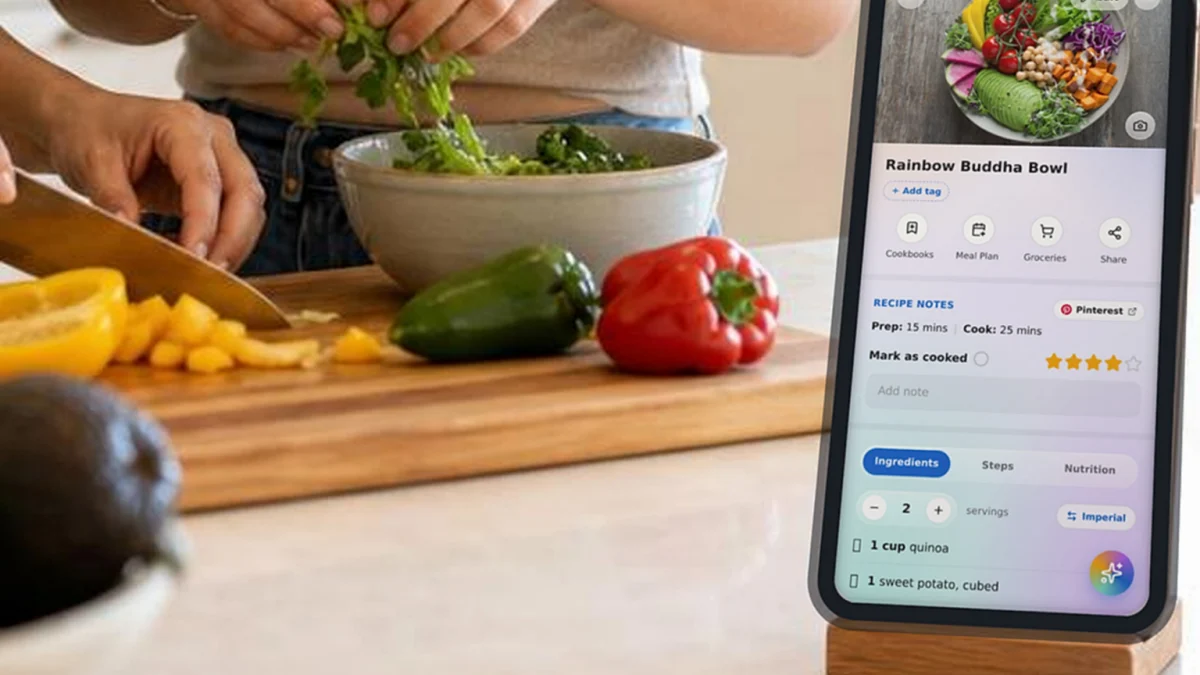
Addressing this exact workflow inefficiency, technology developers have increasingly turned to artificial intelligence to bridge the gap between digital curation and tangible execution. Among the latest platforms entering this competitive market is ReciBites, which utilizes automated parsing and machine learning algorithms to centralize, organize, and operationalize fragmented recipe data. With lifetime access to the premium tier, ReciBites Plus, recently discounted to $39.99 from its standard $360 valuation, the application highlights a growing market demand for centralized kitchen management software designed to mitigate decision fatigue and streamline household logistics.
The Mechanics of Digital Recipe Aggregation and AI Parsing
At the core of the ReciBites platform is a robust multi-source ingestion engine designed to resolve the fragmentation inherent in modern culinary browsing. Users frequently encounter friction when trying to move a recipe from a social media application to a functional cooking environment. Traditional methods require manual transcription, cumbersome copy-pasting, or the retention of dozens of disparate browser tabs.
ReciBites circumvents these hurdles by allowing direct integration and importing from major social media ecosystems, including Instagram, Facebook, TikTok, YouTube, and Pinterest, alongside traditional web URLs. Furthermore, the application incorporates optical character recognition (OCR) technology and image-processing capabilities. This enables users to upload screenshots, photographs of physical cookbook pages, or digital scans of handwritten recipe cards passed down through generations. Once ingested, the platform processes the unstructured text, extracting standardized ingredient lists, step-by-step instructions, cook times, and serving sizes.
To prevent the newly digitized repository from devolving into a secondary form of clutter, the application features an automated duplicate detection system. This algorithm identifies overlapping entries based on ingredient profiles and titles, prompting users to merge or discard redundant saves. Once cataloged, recipes can be sorted into unlimited custom-named cookbooks, establishing a digital filing system that mirrors or improves upon physical kitchen organization.
Nutritional Analysis, Dietary Customization, and Intelligent Meal Planning
Beyond simple archiving, modern culinary applications are increasingly expected to provide actionable intelligence regarding dietary intake. ReciBites addresses this requirement by deploying artificial intelligence to analyze parsed ingredient lists, generating comprehensive nutritional breakdowns that include caloric content, macronutrient distributions (proteins, fats, carbohydrates), and key micronutrients.
This analytical capability supports a sophisticated smart dietary alert system. When users input specific health objectives, medical restrictions, or personal preferences, the application automatically flags recipes that conflict with these parameters. For instance, individuals managing hypertension, diabetes, or severe food allergies receive immediate notifications regarding potential allergens or high-sodium components.
Moreover, the platform incorporates a personalized substitution engine. Rather than forcing users to discard a recipe that fails to meet their nutritional criteria, the AI suggests practical ingredient swaps. These substitutions can be tailored to accommodate specialized diets, such as high-protein regimens, lower-sugar variations, halal dietary laws, or allergen-free requirements, ensuring that culinary exploration remains accessible regardless of individual health constraints.
Once recipes are selected and vetted against dietary goals, the transition from aspiration to execution is facilitated through automated weekly meal planning modules. By mapping chosen recipes to a calendar grid, the software constructs an organized framework for weekly dining. This chronological organization directly feeds into a dynamic grocery list generation tool.
The grocery management feature addresses one of the most common pain points in home economics: redundant purchasing and inefficient supermarket navigation. ReciBites automatically aggregates ingredients across all scheduled weekly meals, consolidating duplicate items—such as combining the garlic requirements of three separate dishes into a single aggregate measurement. Furthermore, the system categorizes the consolidated list by supermarket aisle, optimizing the physical shopping experience to minimize time spent traversing grocery stores. For real-time kitchen execution, the application provides interactive step-by-step cooking instructions, automatic serving scaling, and dynamic unit conversion tools.
Combating Food Waste and Fostering Collaborative Cooking Communities
In addition to scheduled meal planning, contemporary kitchen software must address the reality of impromptu cooking based on existing household inventory. Food waste remains a significant economic and environmental concern globally, with households generating a substantial portion of avoidable food waste due to unused ingredients expiring in refrigerators and pantries.
To mitigate this issue, ReciBites includes an AI Cooking Assistant designed specifically for inventory utilization. Users can input a list of miscellaneous ingredients currently on hand—often referred to colloquially as "fridge-clearing" sessions—and the artificial intelligence generates viable recipes utilizing only those available items. This functionality not only reduces household expenditures on groceries but also encourages culinary creativity and resourcefulness.
Beyond individual utility, the platform integrates social connectivity features designed to move away from the isolated nature of algorithm-driven recipe feeds. While platforms like TikTok and Instagram rely on algorithmic recommendations from strangers, ReciBites allows users to connect directly with friends and family members. This social layer enables participants to view what trusted acquaintances are actively saving, cooking, and reviewing within their personal networks, adding a collaborative element to household culinary planning.
Broader Industry Implications and Market Context
The aggressive discounting of ReciBites Plus lifetime access—reducing the price point from $360 to $39.99—reflects a broader pricing and subscription strategy prevalent within the productivity and lifestyle software sectors. Lifetime access models are frequently utilized by software-as-a-service (SaaS) startups to rapidly acquire market share, build a dedicated user base, and generate upfront capital in highly competitive consumer technology landscapes dominated by subscription fatigue.
As consumers increasingly push back against recurring monthly fees for niche applications, lifetime licensing offers a compelling value proposition, provided the underlying service maintains long-term server support and continuous feature updates. The culinary tech sector, in particular, has seen a surge in venture-backed and independent applications attempting to capture the lucrative home-cooking demographic, which expanded significantly following lifestyle shifts initiated in the early 2020s.
Industry analysts note that the success of such applications depends heavily on user retention and the reduction of friction at every stage of the culinary workflow. Tools that successfully bridge the gap between passive digital content consumption—such as watching a 30-second cooking video on social media—and active physical execution are positioned to capture sustained user engagement. By automating the tedious administrative burdens of meal planning, nutritional tracking, and grocery list compilation, platforms like ReciBites illustrate how artificial intelligence is moving beyond enterprise environments to optimize domestic routines.
As the software ecosystem continues to evolve, the integration of generative AI and automated data parsing into household management tools is expected to deepen. For home cooks overwhelmed by the sheer volume of digital recipe curation, comprehensive aggregation platforms offer a viable pathway toward organized, efficient, and health-conscious meal preparation.