The Genesis of the Dispute
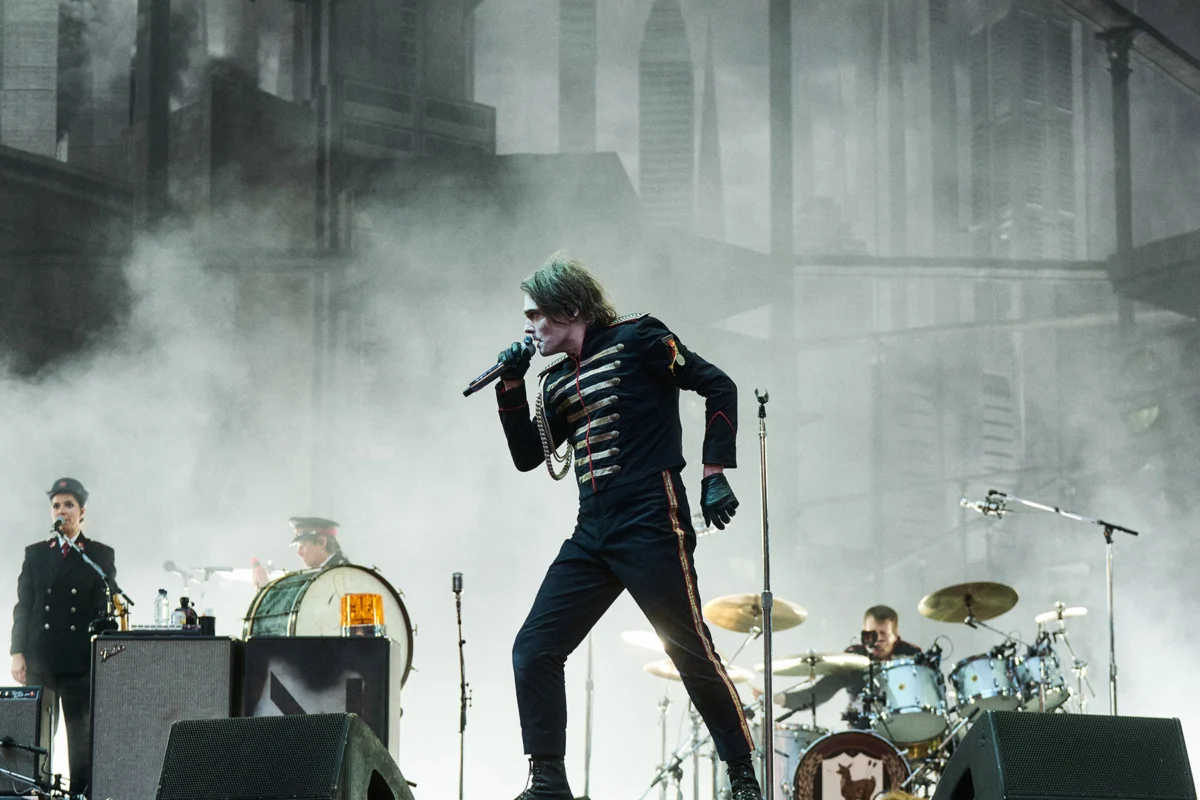
The legal conflict originated in late October 2026, following the first two shows of a five-night residency at the historic Hollywood Bowl in Los Angeles. During these performances, My Chemical Romance incorporated a theatrical segment featuring backup dancers adorned in blue-and-white uniforms that bore a striking resemblance to the iconic ensemble worn by the Dallas Cowboys Cheerleaders (DCC). The sequence, which was integrated into a larger stage narrative depicting a dystopian vision of America’s future, included simulated firefights and provocative choreography.
Pro Silver Star, the parent organization responsible for the management and licensing of the Dallas Cowboys Cheerleaders, filed suit in Texas state court shortly after the performances. The company argued that the band’s use of the uniforms constituted an unauthorized appropriation of a protected trademark. The legal filing sought an immediate restraining order to prevent the band from utilizing the attire in the final three shows of their residency, as well as potential damages for brand dilution.
Chronology of the Legal Confrontation
The speed with which this dispute was resolved is notable within the music industry, where intellectual property battles can often span years. The following timeline outlines the rapid progression of the conflict:
- July 8, 2026: My Chemical Romance performs in London, setting the stage for their upcoming anniversary residency.
- Late October 2026: The band initiates their five-show residency at the Hollywood Bowl, featuring the controversial "cheerleader" segment.
- October 20, 2026: Pro Silver Star files a trademark infringement lawsuit in Texas state court, citing the unauthorized use of the DCC uniform.
- October 26, 2026: Attorneys for the cheerleaders seek an injunction to halt the use of the costumes for the remainder of the Los Angeles performances.
- October 27, 2026: Reports emerge that a settlement has been reached, stipulating that the band will retain the choreography but alter the costumes to avoid trademark infringement.
Legal Analysis and the First Amendment
The case garnered significant attention from legal experts who debated the intersection of artistic expression and trademark protection. Under U.S. law, the "Rogers test"—derived from the 1989 case Rogers v. Grimaldi—typically protects artists from trademark claims if their use of a mark is artistically relevant and not explicitly misleading as to the source of the work.
Many legal scholars initially suggested that My Chemical Romance had a strong defense rooted in the First Amendment. They argued that the uniforms were used as part of a satirical or commentary-based stage production, which generally enjoys broad protection against infringement claims. However, the costs associated with mounting a vigorous defense in a Texas court against a deep-pocketed entity like the Dallas Cowboys organization likely factored into the band’s decision. By settling, the band successfully protected their setlist and the integrity of their show’s narrative, conceding only on the specific aesthetic design of the costumes.
Official Statements and Organizational Stances
Representing Pro Silver Star, celebrity litigator Alex Spiro maintained a precise, measured tone throughout the proceedings. The goal, according to his public statements, was not to stifle the band’s creative expression but to protect the brand equity of the DCC uniform.
"Silver Star is not litigious, and it takes no issue with MCR’s music, its artistic ambitions, or any message defendants seek to convey," Spiro stated in a court filing. "Silver Star does not ask defendants to change their setlist, narrative, politics, choreography, or even their decision to put gun-toting performers on stage. Silver Star asks only that those performers not wear the DCC Uniform while doing it. The universe of alternative costume designs is effectively unlimited."
This distinction between content—the message of the show—and the commercial branding of the uniforms was the key to the settlement. By agreeing to remove the specific aesthetic markers of the Cowboys cheerleaders, the band has effectively nullified the primary cause of action while maintaining the thematic essence of their performance.
Broader Implications for Live Music and Branding
The resolution of this case serves as a cautionary tale for major touring acts regarding the complexities of "borrowed" imagery. As concert productions grow increasingly cinematic and reliant on cultural references, the line between homage and infringement continues to blur.
Trademark law is designed to prevent consumer confusion, but in the context of live music, the "confusion" element is often difficult to prove. Nonetheless, entities with high brand value—such as professional sports teams or major fashion houses—are increasingly protective of their visual identities. The outcome here suggests that even high-profile bands are susceptible to the demands of corporate trademark holders when the visual components of their shows mirror protected intellectual property too closely.
Furthermore, the settlement highlights the efficiency of direct negotiation over public litigation. By choosing a settlement over a court battle, both parties avoided the uncertainty of a jury verdict. For My Chemical Romance, this means the remainder of their 20th-anniversary tour can proceed without the distraction of an ongoing legal crisis, allowing them to focus on the legacy of The Black Parade.
The Intersection of Dystopian Art and Corporate Law
The controversy also touched upon the themes of The Black Parade, an album known for its theatricality and dark, reflective tone. The use of a "cheerleader" motif in a dystopian setting was clearly intended to serve as a critique of American cultural iconography. However, when that critique utilizes a specific, protected brand identity, the law tends to prioritize property rights over creative license.
Industry analysts observe that this case may lead to a more conservative approach in stage design for future arena tours. Production managers and artistic directors will likely implement stricter vetting processes for costumes and props to ensure they do not unintentionally trigger trademark disputes. The "unlimited universe of costume designs" mentioned by Alex Spiro provides a roadmap for artists: to comment on culture, one must be careful not to hijack the specific symbols that define it.
Conclusion: A Strategic Retreat
As My Chemical Romance prepares for their final Los Angeles performances, the stage will feature the same choreography and the same intense narrative that defined their opening nights—albeit with a wardrobe change. The decision to comply with the demands of Pro Silver Star reflects a pragmatic understanding of the modern entertainment landscape, where creative autonomy is frequently tempered by the realities of intellectual property law.
For the band, the priority remains the musical experience provided to their fans. By sacrificing a specific set of costumes, they have secured the survival of their performance’s thematic intent, ensuring that the legacy of their tour remains focused on the music rather than the courtroom. The case concludes with no official comment from the band’s representatives, signaling a desire to move past the controversy and conclude the anniversary residency on their own terms.