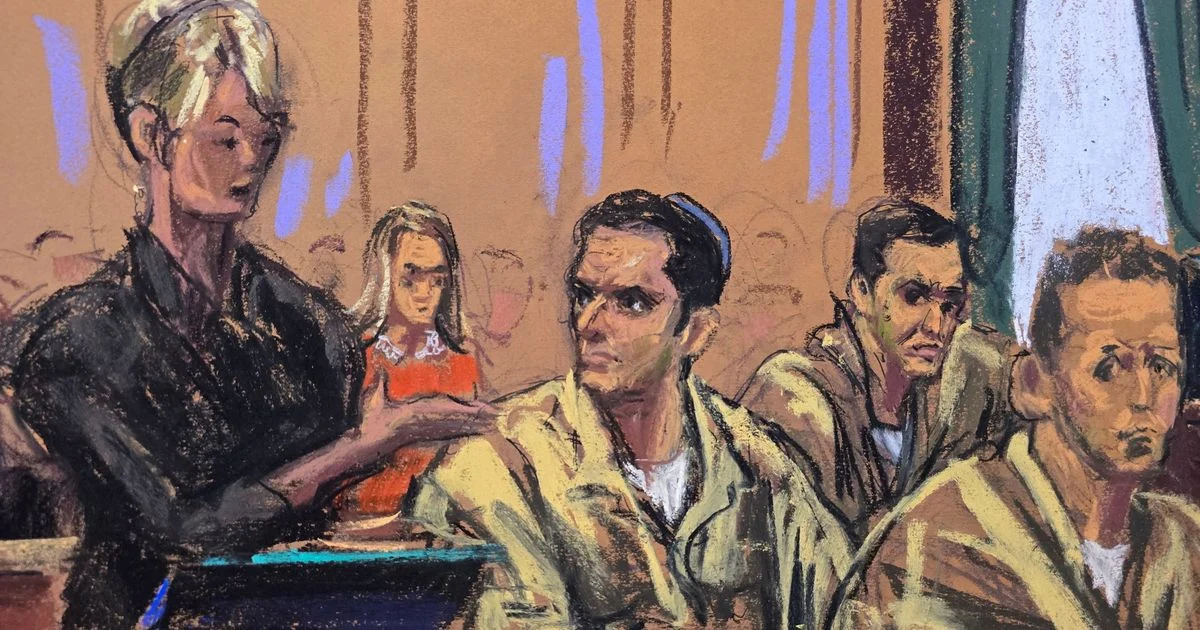
In a packed federal courtroom in lower Manhattan on Tuesday, disgraced luxury real estate brokers Oren and Tal Alexander, alongside their brother Alon, faced justice in tan prison uniforms and ankle shackles. Once towering figures in the ultra-high-end property markets of New York, Miami, and the Hamptons, the brothers stood before the bench following their landmark conviction earlier this year. The sentencing hearing marked the emotional culmination of a high-stakes federal prosecution that unraveled a years-long pattern of calculated abuse, exploitation, and systemic intimidation.
The three brothers were found guilty in March on ten federal counts of sex trafficking, conspiracy, and related offenses. The trial exposed the dark underbelly of the elite real estate world, revealing how the defendants allegedly leveraged their vast wealth, elite social standing, and glamorous reputations to lure, drug, and assault dozens of vulnerable women. As victims took the stand to deliver harrowing impact statements, the stark reality of the brothers’ crimes stood in sharp contrast to the high-society lifestyle they once commanded.
A Reign of Abuse and the Federal Trial
The federal case against the Alexander brothers laid bare a disturbing modus operandi. According to prosecutors from the U.S. Attorney’s Office for the Southern District of New York, the defendants systematically weaponized their status within the upper echelons of society. By cultivating personas as successful, jet-setting businessmen, they gained the trust of aspiring models, young professionals, and social media acquaintances, often meeting victims through exclusive platforms like Raya or high-end nightlife venues in Manhattan, Miami, and Aspen.
During the grueling five-week trial, prosecutors presented overwhelming evidence—including text messages, digital forensic extractions, and the testimonies of 11 primary witnesses—detailing how the brothers routinely slipped incapacitating substances into victims’ drinks. Witnesses described waking up paralyzed or disoriented while being subjected to horrific sexual assaults, which the brothers frequently filmed and shared among themselves and select associates as trophies.
Prosecutors highlighted the profound cruelty exhibited by the defendants, pointing to specific incidents that underscored a total lack of remorse. In one instance, after assaulting a victim, the brothers forced her into the freezing Aspen night wearing nothing but a clown costume simply to humiliate her. In another, they traded lighthearted text messages about cleaning the blood of a 17-year-old victim off a condominium floor.
"They took consensual sex off the table by repeatedly drugging their victims," federal prosecutors argued during sentencing arguments, emphasizing that the brothers operated with a "perverse sense of pride" and treated human beings as disposable commodities.
Victims Reclaim Their Voices
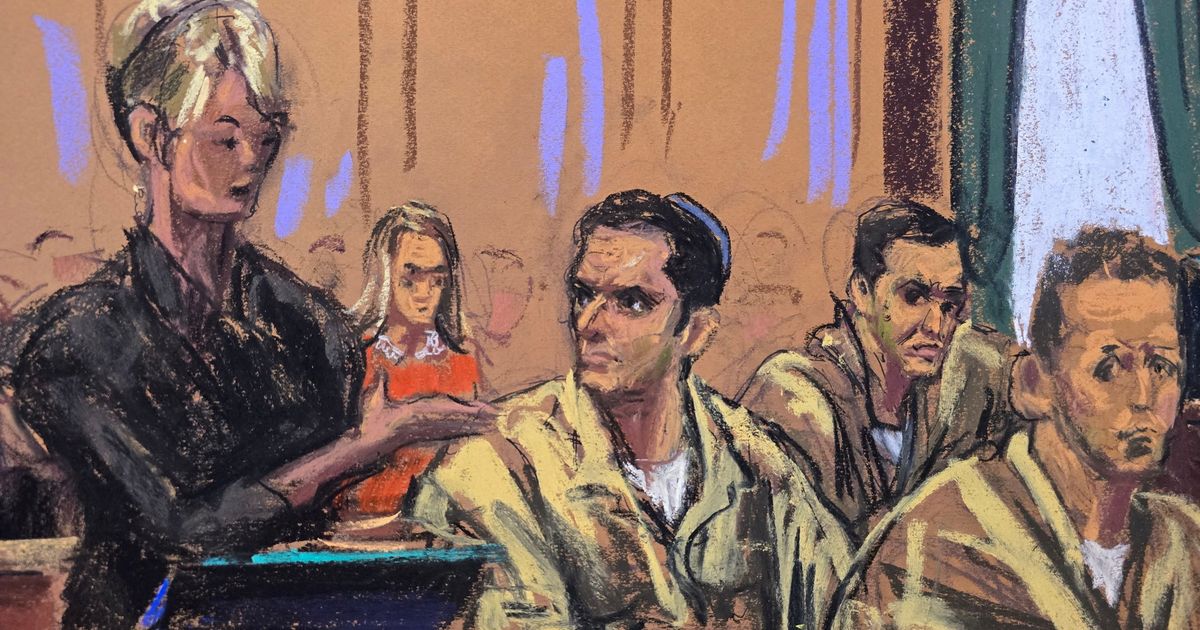
The courtroom fell into a heavy silence as 12 victims stepped forward to read their victim impact statements, facing the impassive defendants directly. The testimonies painted a devastating picture of lives fractured by trauma, anxiety, and enduring psychological distress.
Maya Miller recounted the profound internal division caused by the assault she endured at the hands of Tal Alexander in a shower. "You divide into two versions of yourself," Miller told the court, describing how the attack fundamentally altered her perception of safety and her place in the world.
Issa Brooks, who was only 16 years old when she was raped by Tal, Oren, and two of their acquaintances, spoke of the lingering hypervigilance that consumed her adolescence and adult life. "I stumbled over my words. I scanned exits… The old me had died," she testified.
Other survivors detailed similar spirals of isolation and post-traumatic stress. Olivia Lane, who matched with Oren Alexander on a dating app before waking up to a series of assaults in his luxury condominium, described enduring physical trauma so severe that basic bodily functions became agonizing, compounded by the psychological torture of being stalked within the home. Another survivor, just 21 at the time of her assault, wept as she described how the trauma destroyed her personal relationships, noting that her night terrors and screams had frequently prompted neighbors to call the police.
Throughout the morning, the defendants showed little outward emotion, standing quietly as the women dismantled the public personas the brothers had cultivated for over a decade.
Legal Arguments and Sentencing Demands
The sentencing hearing also featured a fierce debate between the prosecution and the defense regarding the appropriate punishment for the convicted men.
Federal prosecutors urged the judge to impose life sentences, pointing to the severity of the charges, the calculated nature of the offenses, and the sheer volume of women who have come forward—with more than 70 individuals alleging misconduct over the span of the brothers’ careers. The government also requested a combined $4.75 million in financial restitution to support the victims in their recovery.

Conversely, defense attorneys argued for significantly reduced terms, asking the court to impose the mandatory minimum sentence of 15 years for each brother, while requesting that they be permitted to serve their time concurrently and in the same correctional facility. The defense also pushed back against the financial restitution demands.
Legal experts note that Tuesday’s sentencing is unlikely to be the final chapter in the legal saga. Defense counsel has consistently maintained that the brothers intend to appeal the verdict and any subsequent prison terms. Furthermore, the Alexanders face a daunting legal horizon outside of federal court, including approximately 30 civil lawsuits filed by survivors and a pending state-level sexual battery charge in Florida.
The Broader Fallout and Institutional Reckoning
The downfall of the Alexander brothers has sent shockwaves through the luxury real estate industry, prompting a sharp reevaluation of workplace culture, accountability, and the protection of vulnerable individuals in elite circles.
Prior to their 2024 arrest, Oren and Tal Alexander were among the most prolific brokerage names in the United States, commanding record-breaking sales in Manhattan’s Billionaires’ Row and Miami’s most exclusive enclaves while operating under major banner firms like Douglas Elliman. Their sudden arrest forced institutional real estate companies to distance themselves rapidly from the family brand, triggering extensive internal reviews and highlighting how high-earning producers have historically been insulated from oversight by their revenue-generating power.
Amid the fallout, the Alexander family has also explored alternative avenues for relief. Reports surfaced earlier this year that the family retained high-profile appellate attorney Alan Dershowitz to pursue a potential presidential pardon, having reportedly paid substantial retainers toward the effort. However, legal analysts consider a presidential pardon highly improbable. Clemency experts point out that no executive clemency granted by the Trump administration thus far has involved sexual crimes, and the presence of underage victims in the case makes the prospect politically untenable, particularly given heightened public scrutiny surrounding sex trafficking and accountability.
As the federal judge weighs the final prison terms and restitution orders, the proceedings in lower Manhattan stand as a watershed moment for accountability in high-net-worth industries. For the survivors who spoke in court, the sentencing hearing represented a vital step toward reclaiming their narratives and ensuring that wealth and status can no longer shield perpetrators from the full weight of the law.