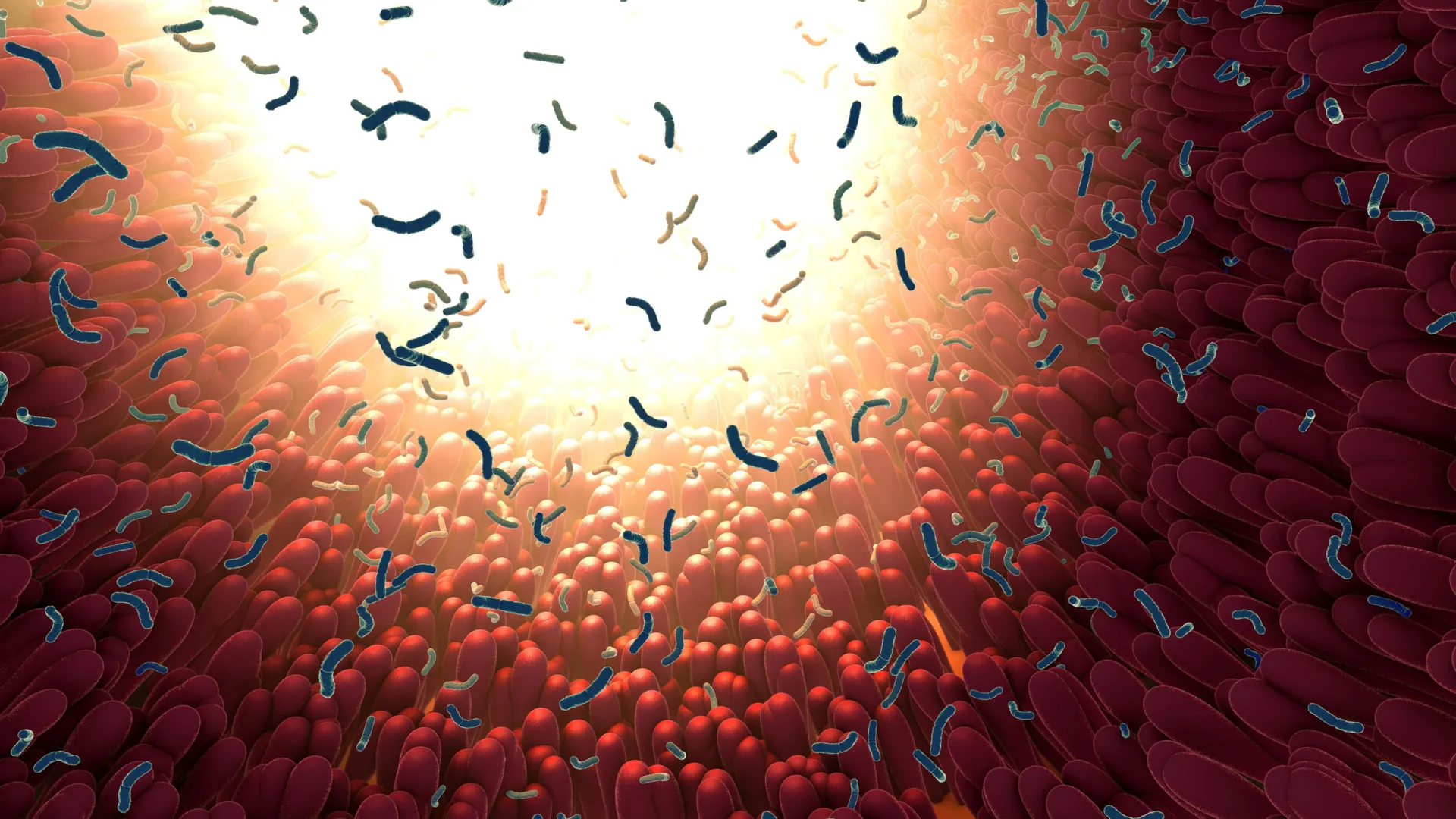
The intricate ecosystem residing within the human digestive tract, known as the gut microbiome, has long been a subject of intense scientific scrutiny, but a landmark study from the University of Hawai‘i at Mānoa has uncovered a profound new connection: the specific composition of these microorganisms may directly influence the pace at which the human body biologically ages. Published in the journal Scientific Reports, the research indicates that gut microbial communities account for roughly 15% of the variation in biological aging rates, providing a potential biological indicator that functions independently of a person’s actual chronological age.
This revelation challenges the traditional view of aging as a strictly genetic or time-dependent process. By analyzing both stool and blood samples from 123 participants, researchers have begun to map how the trillions of bacteria living in the human gut—often referred to as the "forgotten organ"—interact with the body’s molecular markers to accelerate or decelerate the physical decline typically associated with getting older.
The Mechanism of Biological Aging vs. Chronological Age
To understand the gravity of these findings, one must distinguish between chronological and biological age. Chronological age is the simple measurement of time passed since birth. In contrast, biological age is a measure of the body’s internal health, reflecting the degradation of physiological systems, cellular senescence, and the accumulation of molecular damage.
In this study, researchers utilized the DunedinPACE biomarker, an advanced diagnostic tool that measures the pace of biological aging. Developed by researchers at Duke University, DunedinPACE is a "geroscience" metric that tracks the speed at which organ systems—such as the heart, lungs, kidneys, and immune system—are deteriorating. When the UH Mānoa team compared this biomarker against the microbial profiles of their 123 participants, they identified a significant correlation. Certain bacteria, such as Bifidobacterium adolescentis, were consistently present in individuals exhibiting slower biological aging, whereas Succinivibrio dextrinosolvens was more frequently identified in those whose bodies were aging at a more rapid pace.
Chronology of the Microbiome Research Paradigm
The field of microbiome research has evolved rapidly over the past two decades. In the early 2000s, the Human Microbiome Project laid the foundation by cataloging the vast diversity of bacteria in the human body. By the 2010s, researchers shifted from simply identifying these bacteria to understanding their metabolic functions, discovering that gut flora produce short-chain fatty acids, neurotransmitters, and inflammatory markers that enter the bloodstream.
The current study builds on this trajectory. By including diverse populations—specifically Native Hawaiian and Pacific Islander participants, who have been historically underrepresented in clinical trials—the UH Mānoa team has added a critical layer of demographic depth. Historically, medical studies on aging have relied heavily on European cohorts, leading to a "data gap" regarding how environmental and social determinants of health impact microbial diversity in non-Western populations. This study marks a significant pivot toward more inclusive, precision-based health research.
The Influence of Lifestyle, Diet, and Environment
One of the most compelling aspects of the microbiome is its plasticity. Unlike human DNA, which is largely fixed at birth, the gut microbiome is highly responsive to external stimuli. Diet, physical activity, sleep hygiene, and even the stress levels of one’s living environment can alter the bacterial composition of the gut in a matter of days or weeks.
Lead author Braden P. Kunihiro emphasizes that because the microbiome is modifiable, it offers a target for intervention. "The gut microbiome is highly responsive to lifestyle, diet, environment and other everyday exposures," Kunihiro stated. "Our findings suggest that the microbiome may reflect important aspects of biological resilience and aging in ways that could eventually help inform future wellness and healthy aging strategies."
For example, high-fiber diets are known to promote the growth of Bifidobacterium species, which are associated with improved gut barrier integrity and reduced systemic inflammation. Conversely, high-fat, ultra-processed diets are often linked to a decrease in beneficial microbial diversity, potentially fostering an environment conducive to faster biological aging. This study reinforces the hypothesis that the gut is not just a site of digestion, but a command center for systemic health.
Official Perspectives and Scientific Implications
Senior author Alika K. Maunakea of the UH Mānoa John A. Burns School of Medicine has framed these findings as a significant advancement in the burgeoning field of precision health. "We found that microbial patterns in the gut were significantly associated with molecular measures of aging, even independent of chronological age," Maunakea explained. "These findings open important new directions for understanding how modifiable biological systems influence long-term health trajectories and longevity."
The integration of sociodemographic factors, as highlighted by co-author Ruben Juarez, adds a sociological dimension to the biological inquiry. Juarez notes that the microbiome exists at the "intersection of behavior, environment and human biology." For communities facing health disparities, this study suggests that social and environmental conditions may leave a "biological signature" in the gut that dictates the long-term aging process. This provides a compelling scientific rationale for public health policies that prioritize access to healthy food and reduced environmental stressors, as these factors may have direct, quantifiable effects on the longevity of populations.
Analytical Limitations and the Cautionary Principle
Despite the excitement surrounding these results, the scientific community maintains a measured stance. The researchers explicitly state that the study identifies a correlation, not necessarily a direct causal mechanism. It is currently unclear whether the presence of Bifidobacterium adolescentis causes slower aging, or if individuals with slower aging processes possess a biological environment that is simply more conducive to the growth of those specific bacteria.
To move from correlation to causation, future studies will need to implement longitudinal designs and, potentially, microbial transplantation experiments. Determining if probiotics or dietary interventions can successfully alter the DunedinPACE score in human subjects remains the "holy grail" of this research. Until such data is available, the scientific community warns against over-interpreting the results as a "cure" for aging. Rather, these findings should be viewed as a foundational map that identifies which microbial signposts are worth exploring in the quest to extend the "healthspan"—the period of life spent in good health—rather than just the lifespan.
Broader Impact on Precision Medicine
The implications for the future of medicine are vast. If clinicians can eventually use a "microbiome profile" to assess a patient’s biological age, it could revolutionize preventative medicine. A patient showing signs of accelerated aging at a chronological age of 40 might be prescribed specific dietary interventions or prebiotic supplements to "reset" their microbial community, potentially slowing the decline of their organ systems before chronic diseases like cardiovascular failure or type 2 diabetes take hold.
Furthermore, this research aligns with the growing trend toward "personalized health." By moving away from one-size-fits-all medical advice and toward an understanding of how an individual’s unique internal ecosystem interacts with their environment, medicine can become more predictive.
Conclusion: A New Horizon for Longevity Science
The study by the University of Hawai‘i at Mānoa serves as a vital bridge between the worlds of microbiology and gerontology. By proving that the gut microbiome is inextricably linked to the molecular markers of biological aging, the team has opened a door to a new era of health management. While the journey from identifying these bacterial signatures to developing clinical therapies is still in its infancy, the work provides a promising roadmap for future research.
As scientists continue to decode the dialogue between our gut bacteria and our biological clocks, we may find that the secret to a longer, healthier life has been living inside us all along. Through the continued investigation of these microbial communities, we move closer to a future where aging is not an inevitable decline, but a manageable process governed by the complex, ever-changing landscape of the human gut. The path forward requires rigorous clinical validation, but for now, the evidence is clear: the bacteria in our gut are active participants in the narrative of our lives, influencing our health from the inside out in ways we are only just beginning to understand.