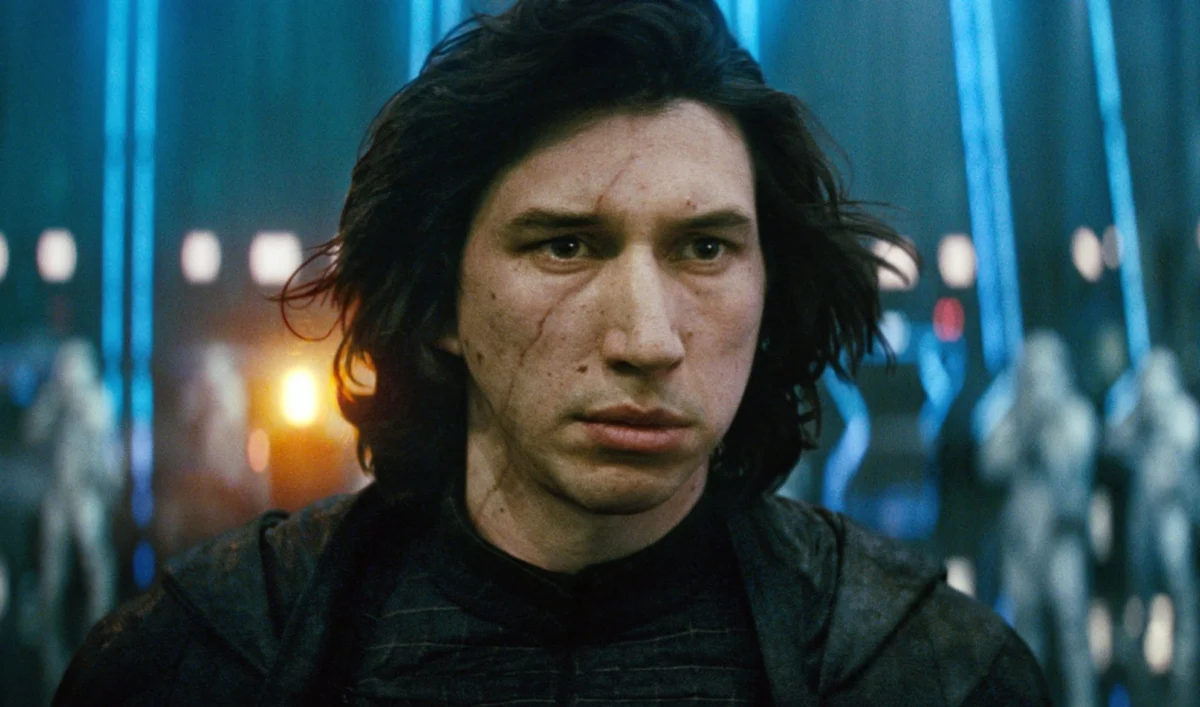
The inner workings of major Hollywood franchises often remain shrouded in secrecy, but rare glimpses behind the curtain occasionally reveal just how close beloved properties came to heading in entirely new directions. Recently, actor Adam Driver and acclaimed filmmaker Steven Soderbergh pulled back the veil on a two-and-a-half-year endeavor to develop a standalone Star Wars feature film tentatively titled The Hunt for Ben Solo. Centered on Driver’s compelling, complex character Kylo Ren, the project was envisioned as a stripped-down, character-driven cinematic experience reminiscent of classic installments like The Empire Strikes Back. Despite winning over leadership at Lucasfilm, the ambitious endeavor ultimately collided with a brick wall at the highest levels of The Walt Disney Company, resulting in its sudden cancellation and leaving its creators empty-handed after years of unpaid labor.
The Genesis of The Hunt for Ben Solo
The concept for The Hunt for Ben Solo began taking shape in 2021, when Lucasfilm President Kathleen Kennedy reached out to Adam Driver to gauge his interest in returning to the galactic franchise he had helped define through the sequel trilogy. Driver, who portrayed the tortured antagonist Ben Solo—also known as Supreme Leader Kylo Ren—throughout the sequel era, had previously bid farewell to the character during the climactic events of 2019’s Star Wars: The Rise of Skywalker. However, the actor maintained that he would gladly return under the right creative circumstances, specifically with a great director and a compelling narrative framework.
Enter Steven Soderbergh. Known for his versatility, efficiency, and distinct visual style, the Oscar-winning director was eager to step into a galaxy far, far away. According to both Driver and Soderbergh, the trio—alongside writer Rebecca Blunt—poured two and a half years of intensive development into the screenplay. Operating under the absolute assurance from Lucasfilm leadership that the project held a strong approval trajectory within the studio, Driver and Soderbergh worked tirelessly on the script without drawing a salary.
Money was notably not the primary motivator for either creator during the developmental phase. Driven by a mutual passion for the character and the potential of the story, they focused instead on crafting a lean, economically viable production model. By keeping the budget intentionally low, they hoped to secure the creative freedom necessary to deliver a gritty, artisanal product without the typical studio micromanagement that often plagues mega-budget blockbusters.
A Creative Triumph Met with Executive Resistance
Once the script was finalized, Driver, Soderbergh, and the Lucasfilm team felt immensely
confident in what they had produced. Driver later praised the screenplay as a gold standard for what a Star Wars movie should feel like, highlighting its intimate, handmade aesthetic that prioritized character development over CGI spectacle.
The pitch received an enthusiastic reception from Lucasfilm executives, including Kathleen Kennedy, Dave Filoni, and Carrie Beck. They understood the creative angle, recognized the emotional resonance of exploring Ben Solo’s trajectory, and fully backed the vision. Empowered by this internal support, the creative team took the project directly to top Disney executives, including CEO Bob Iger and Alan Bergman.
That presentation, however, marked the end of the road. According to accounts shared by Driver, Disney’s leadership ultimately pulled the plug on the project due to a fundamental narrative impasse: they could not reconcile how the character of Ben Solo could still be alive following his apparent death at the conclusion of The Rise of Skywalker. Despite Soderbergh having a meticulously planned, cost-effective production strategy prepared to address practical and financial concerns, the conversation never progressed to budget logistics. The executive veto was absolute, terminating the project on conceptual grounds alone.
Chronology of a Disclosed Cancellation
The existence of The Hunt for Ben Solo remained a closely guarded secret for years until Adam Driver publicly revealed the project during an October 2025 interview with The Associated Press. His disclosures shed light on why the film had never materialized and immediately drew widespread attention from the global fanbase, many of whom had long clamored for further exploration of Ben Solo’s complex redemption arc.
Throughout late 2025 and early 2026, subsequent interviews with Driver, Soderbergh, and industry figures added further context to the timeline of the film’s collapse:
- 2021: Kathleen Kennedy reaches out to Adam Driver regarding a potential return to the Star Wars universe, initiating discussions that lead to Steven Soderbergh coming on board to direct.
- 2021–2023: Driver, Soderbergh, and writer Rebecca Blunt spend approximately two and a half years developing the screenplay and creative direction on a voluntary, unpaid basis, relying on assurances from Lucasfilm leadership.
- 2023–2024: The completed script is presented to Lucasfilm executives, who enthusiastically approve the project. The pitch is subsequently taken to Disney executives Bob Iger and Alan Bergman.
- Mid-2024: Disney leadership officially rejects the project, citing concerns over the canonical viability of Ben Solo’s survival after The Rise of Skywalker.
- October 2025: Adam Driver publicly acknowledges the existence and cancellation of The Hunt for Ben Solo in an interview with The Associated Press.
- Early 2026: Kathleen Kennedy departs Lucasfilm, subsequently expressing public frustration over the handling of various projects. Steven Soderbergh and Adam Driver elaborate on the unpaid labor and the abrupt termination of the film in subsequent press appearances, with Driver firmly stating that the project is completely dead and that he has no intention of revisiting it.
Financial and Professional Fallout
The revelation that two major industry figures spent years of uncompensated labor on a studio project that was ultimately discarded has sparked broader discussions regarding compensation practices and creative development in Hollywood. Soderbergh noted that while he and his collaborators entered the arrangement willingly out of artistic enthusiasm and trust in studio assurances, the outcome remains a profound disappointment.
For Soderbergh, the frustration was compounded by the fact that the studio never engaged in a practical discussion about the film’s financial feasibility. The director maintained that he had formulated a realistic budget that would have satisfied any fiscal concerns, making the outright rejection without negotiation particularly difficult to accept. Driver went a step further in his remarks to the press, describing the decision to scrap a ready-to-go collaboration with a filmmaker of Soderbergh’s caliber as "criminal" in terms of squandering creative momentum.
Despite the bitterness surrounding the cancellation, both men have transitioned to other endeavors. Driver has moved on to subsequent film projects, while Soderbergh has continued writing and directing new cinematic works. Both have emphasized that, as far as Star Wars is concerned, the ship has officially sailed.
Implications for the Future of Star Wars Storytelling
The shelving of The Hunt for Ben Solo highlights a recurring tension within modern franchise management: the friction between risk-averse corporate oversight and auteur-driven creative ambition. Disney and Lucasfilm have increasingly navigated a delicate balance between expanding established intellectual property and maintaining strict adherence to canon stability, particularly following the divisive reception of the sequel trilogy’s conclusion.
By refusing to greenlight a project that required creative narrative maneuvering around an established character death, Disney demonstrated a strict commitment to its existing continuity guardrails. However, this conservative approach has also alienated high-profile creative talent and disappointed fans who yearn for bolder, director-led storytelling within the franchise.
As Lucasfilm continues to recalibrate its feature film slate under shifting leadership, the aborted journey of The Hunt for Ben Solo serves as a cautionary tale of how promising, artist-driven visions can still fall victim to corporate hesitation. While the definitive version of Soderbergh’s Star Wars film will now live only in the imaginations of its creators and the unproduced pages of its script, its public disclosure has permanently altered the discourse surrounding what might have been for one of the sequel trilogy’s most enduring characters.