Two decades after its initial release, My Chemical Romance’s defining third studio album, The Black Parade, continues to exert a profound influence on modern rock music. Released in October 2006, the record served as a massive artistic pivot for the New Jersey-born outfit, transforming them from pioneers of the early-2000s punk-thrash and emo underground into cinematic rock architects. Recently, a surprise vinyl reissue of the landmark album debuted at Number One, proving that the record’s cultural resonance has only deepened with time.
In a retrospective interview with producer Rob Cavallo—renowned for his extensive work with Green Day and other major alternative acts—the behind-the-scenes creation of this 21st-century rock masterpiece has been brought into sharp focus. Cavallo detailed the grueling yet creatively fertile writing sessions, the psychological weight of recording in a famously haunted mansion, and the serendipitous studio moments that turned good tracks into generational anthems.
The Genesis of a Masterpiece: From Underground Punk to Theatrical Rock
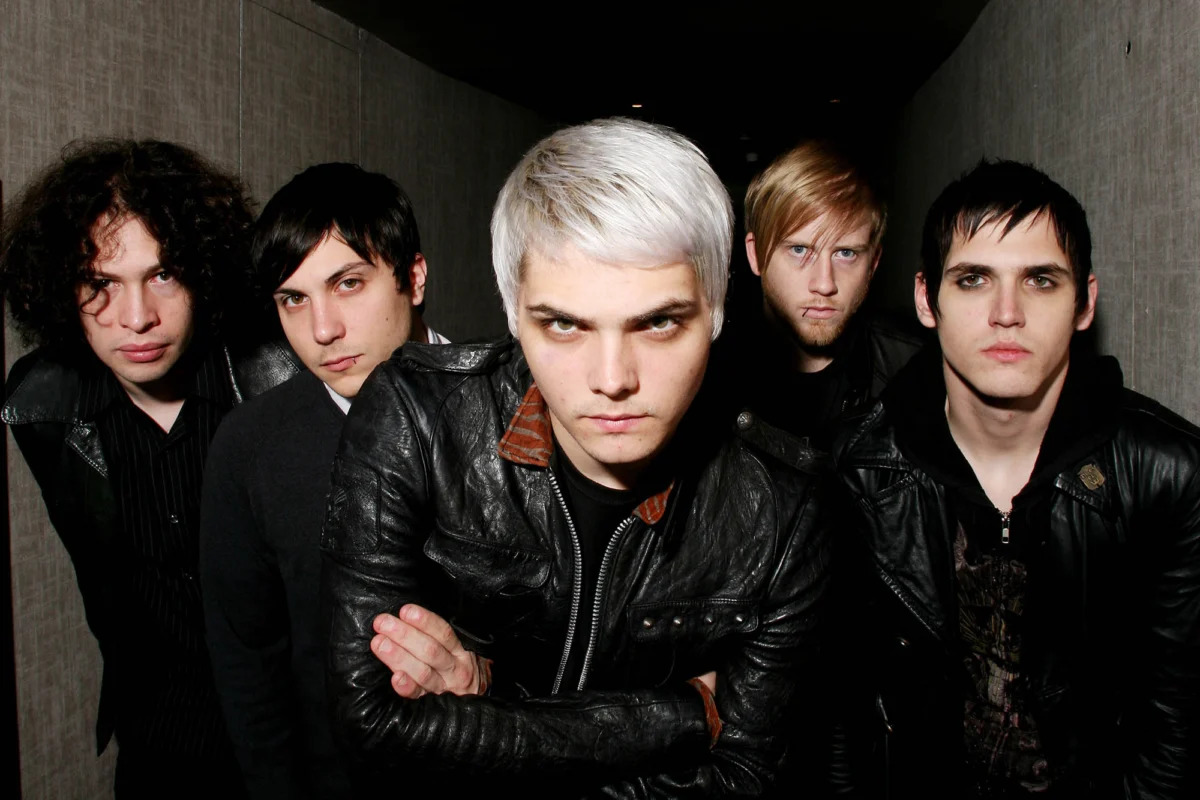
Before entering the studio with Cavallo, My Chemical Romance—comprising vocalist Gerard Way, lead guitarist Ray Toro, rhythm guitarist Frank Iero, and bassist Mikey Way—had already established a fervent cult following with 2002’s I Brought You My Bullets, You Brought Me Your Love and 2004’s breakthrough major-label debut, Three Cheers for Sweet Revenge. However, the band harbored ambitions far beyond standard genre constraints.
When Cavallo was first approached to produce their next project, meetings were held in freezing New York conditions at SIR rehearsal studios. It was there that the band played him an early version of the track "Mama." Cavallo recalled being instantly electrified by the song’s theatricality, rhythm, and anti-establishment edge, comparing its structural eccentricity to the work of The Doors and the Rolling Stones. Recognizing that the band was operating on a higher conceptual plane—akin to The Who’s Tommy filtered through a modern lens—Cavallo agreed to helm the project shortly thereafter.
The Haunted Isolation of the Paramour Mansion
To foster an environment of intense, uninterrupted creativity, the band rented the Paramour Estate in Los Angeles, a sprawling and notoriously gothic mansion. Living, writing, and rehearsing in the historic building added a distinct psychological layer to the album’s creation.
The environment was far from comfortable. The aging estate required space heaters to combat the cold, and strange, unexplainable occurrences—such as doors closing independently and eerie, labyrinthine corridors—left a lasting psychological imprint on the musicians. Bassist Mikey Way was eventually forced to move out of the house due to the oppressive atmosphere.
Despite the psychological strain, the isolation yielded extraordinary results. Operating in the mansion’s expansive 1,500-square-foot living room, Cavallo and his engineering team utilized a mobile recording setup. Monday through Friday, the band jammed live, capturing raw two-track digital audio tape (DAT) recordings of their writing sessions. By the time the band relocated to traditional recording studios, roughly 90 to 95 percent of the album’s compositions were fully realized.
Studio Serendipity: Crafting the Anthem
While the bulk of the writing occurred at the Paramour, the album’s defining track underwent a transformative evolution in the studio. Originally titled "The Five of Us Are Dying," the song that would become "Welcome to the Black Parade" lacked a definitive opening and a compelling chorus.
The breakthrough occurred at Eldorado Studios in Burbank, California. Cavallo arrived early and began playing the piano to warm up, experimenting with descending scales reminiscent of traditional graduation themes. Gerard Way immediately latched onto the melody, instructing Cavallo to play a single-note pattern that evolved into a massive, multi-octave arrangement. Way sang the iconic opening lines—“When I was a young boy, my father took me into the city”—over the spontaneous piano motif.
Days later, the band stitched this newly created introductory movement onto the front of "The Five of Us Are Dying," simultaneously revising the chorus for maximum sing-along resonance. The resulting track merged marching band percussion, grand orchestrations, and aggressive rock guitars into a singular sonic statement that stunned veteran industry executives, including former Warner Bros. president Lenny Waronker.
High-Profile Collaborations and Outlier Tracks
The album’s expansive vision also accommodated unexpected contributions. For the theatrical track "Mama," the band sought a vocalist to portray the conceptual character "Mother War." Through industry connections, publicist Liz Rosenberg secured legendary entertainer Liza Minnelli for the recording sessions. Cavallo noted that Minnelli’s consummate professionalism and rigorous attention to detail—specifically her dedication to perfecting emotional nuances and vocal deliveries—left the entire production team in awe.
Meanwhile, tracks like "Teenagers" sparked internal debate among the band and production team. Written against the backdrop of rising youth violence and school shootings, the straightforward, Chuck Berry-inspired rock-and-roll song initially felt like a stylistic outlier on a conceptually dense album. Cavallo championed its inclusion, arguing that executing a contemporary version of a classic I-IV-V chord progression with such heavy thematic weight was a worthwhile artistic risk. The song ultimately became one of the album’s most commercially successful singles.
Similarly, the blistering guitar solo on the track "Dead!" materialized purely by accident. Guitarist Ray Toro ripped the solo as an off-the-cuff warmup rather than a planned arrangement. Recognizing the brilliance of the spontaneous performance, Cavallo and the production team insisted on keeping the take on the final record, highlighting the exceptional technical proficiency of the band’s instrumentalists.
Budget Realities and Industry Implications
Produced on a relatively modest budget estimated between $200,000 and $250,000, The Black Parade stands as a testament to efficient resource management in a pre-streaming era. The combination of affordable residential writing spaces and mid-tier commercial studios allowed the band to craft an ambitious, multi-platinum release without exorbitant financial overhead.
The album’s enduring commercial viability was underscored by its recent 20th-anniversary vinyl reissue, which surged to Number One on the charts. Moving tens of thousands of physical units at premium retail prices demonstrates the enduring loyalty of My Chemical Romance’s fanbase and highlights the shifting economics of modern physical music consumption.
Although My Chemical Romance disbanded in 2013—following the 2010 release of Danger Days: The True Lives of the Fabulous Killjoys—and has yet to officially confirm details regarding a newly rumored studio album following their triumphant return to touring, The Black Parade remains an untouchable high-water mark. Two decades after its creation, the record’s blend of uncompromising theatricality, emotional vulnerability, and virtuosic musicianship continues to define the pinnacle of 21st-century rock.