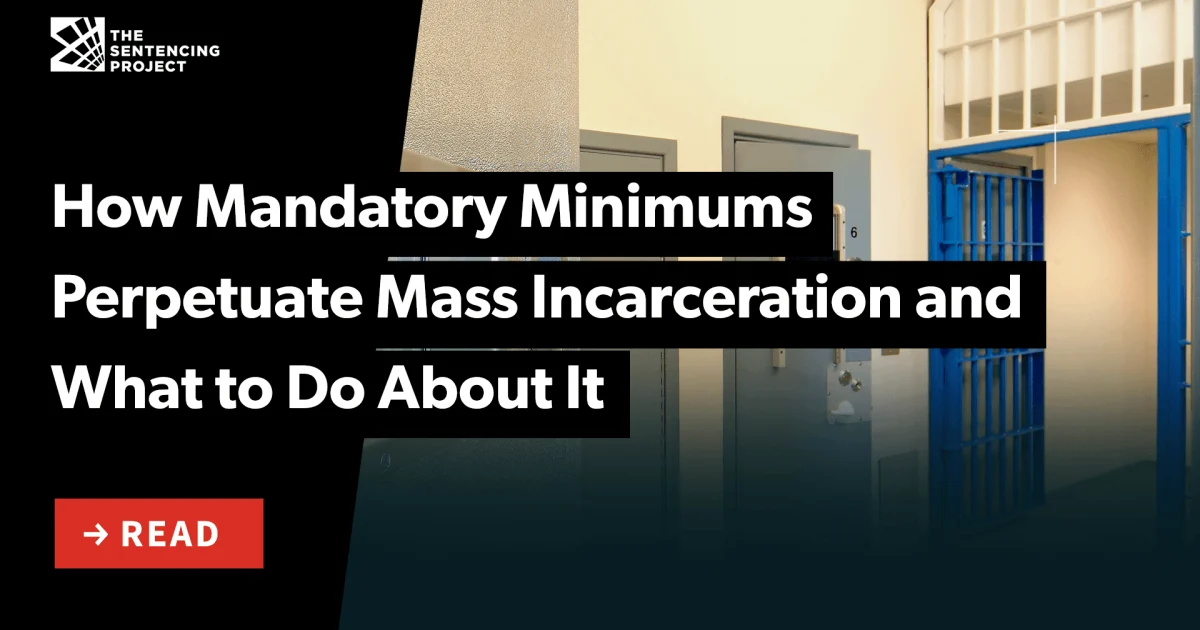
The American experiment with mandatory minimum sentencing, an era defined by rigid statutes that strip judges of their discretion, has reached a critical inflection point. For over three decades, these laws have functioned as the bedrock of a "get tough" philosophy that many legal scholars, corrections officials, and policy analysts now argue has failed to enhance public safety while simultaneously fueling an unprecedented rise in mass incarceration. By prioritizing fixed, often draconian prison terms over individualized justice, the current system has created a cycle of perpetual confinement that disproportionately impacts marginalized communities, strains the taxpayer-funded prison infrastructure, and undermines the constitutional role of the judiciary.
A Chronology of Policy Shift: The 1980s and the Rise of Rigidity
The architecture of modern mandatory minimums began to take shape during the late 1970s and early 1980s, a period marked by rising national anxiety over violent crime and illicit drug trafficking. Lawmakers at both the state and federal levels, feeling the pressure to demonstrate political resolve, moved to replace indeterminate sentencing models—which allowed for parole board oversight and judicial flexibility—with determinate, mandatory minimums.
By 1986, the federal government solidified this shift with the passage of the Anti-Drug Abuse Act. This legislation introduced the notorious 100:1 sentencing disparity between crack and powder cocaine. Under these provisions, possession or distribution of five grams of crack cocaine triggered the same five-year mandatory minimum sentence as 500 grams of powder cocaine. The legislative intent was to deter the drug trade through severe punishment; however, the actual result was a demographic shift in the prison population. Within four years of the Act’s passage, the average federal drug sentence for African American defendants had soared by 49%, while sentences for white defendants remained relatively stable.
By 1995, every state in the union and the federal government had adopted some form of mandatory minimum sentencing. This marked a profound transition in the American legal system: the power to determine the severity of a punishment effectively migrated from the courtroom judge to the prosecutor’s office.
The Shift of Power: Prosecutors as De Facto Sentencers
The most significant consequence of mandatory minimum laws is the centralization of power in the hands of prosecutors. In a traditional system, a judge considers mitigating factors—such as the defendant’s role in an offense, their criminal history, and the potential for rehabilitation—to arrive at a fair sentence. Under mandatory minimum regimes, the prosecutor holds the "charging" power, which dictates the sentencing outcome before a trial even begins.
By choosing to charge an individual with a crime that triggers a mandatory minimum, a prosecutor can unilaterally force a specific sentencing outcome. This dynamic creates a "plea-bargaining shadow," where defendants are often coerced into pleading guilty to lesser charges simply to avoid the existential threat of an automatic, long-term sentence. Legal experts argue that this effectively nullifies the defendant’s Sixth Amendment right to a trial, as the risk of losing at trial and facing a mandatory term is often too high to bear.
Demographic Disparities and the Racial Toll
The statistical evidence regarding racial bias in the application of mandatory minimums is both stark and persistent. According to a 2017 United States Sentencing Commission report, Black and Hispanic individuals continue to represent the majority of federal drug offense convictions—the category most frequently subject to mandatory minimums—despite data consistently showing that drug usage rates are relatively consistent across racial lines.
A 2019 study in New York further highlighted these disparities, noting that people of color accounted for 91% of arrests for crimes carrying mandatory minimums, compared to only 7% for white individuals. The long-term effects of these policies have been intergenerational, leading to the destabilization of families and the erosion of social capital in Black and Brown communities. The 2010 Fair Sentencing Act attempted to mitigate the 100:1 crack-to-powder ratio, reducing it to 18:1, yet critics argue this was merely a cosmetic change that left the structural inequities of the law largely intact.
Resource Allocation and Prison Conditions
Beyond the human cost, mandatory minimums have created a logistical crisis within the American correctional system. The systematic increase in prison terms has led to severe overcrowding, which has been directly linked to a degradation in basic health and safety standards. When prison facilities operate at or above capacity, resources intended for mental health services, educational programming, and vocational training are diverted to accommodate basic security and housing needs.
Public policy analysts emphasize that this is a classic example of "diminishing returns." There is little empirical evidence to suggest that longer, mandatory prison terms reduce recidivism or discourage criminal activity. Conversely, the high cost of maintaining an aging prison population, coupled with the loss of potential workforce participants, represents a massive drain on state and federal budgets. Reallocating these funds toward community-based violence prevention, early childhood intervention, and drug rehabilitation programs would arguably yield a higher return on investment for public safety.
The Cycle of "Get Tough" Rhetoric
Despite a growing bipartisan consensus—evidenced by the 2018 First Step Act at the federal level—that mandatory minimums are a policy failure, the legislative impulse to "get tough" remains a potent political force. Whenever crime rates fluctuate or high-profile cases capture public attention, legislators often reflexively introduce new mandatory minimums.
For instance, the 2016 sexual assault case involving a Stanford student spurred a California legislative response that created new mandatory sentencing requirements for sexual offenses. While the public outcry was understandable, legal advocates warn that such reactive policymaking ignores the historical reality that these laws almost always end up disproportionately affecting marginalized groups rather than the demographics involved in the initial incident that sparked the outrage.
Furthermore, the 2025 passage of the HALT Fentanyl Act demonstrates that the cycle is still active. By classifying all fentanyl-related substances as Schedule I drugs—regardless of individual chemical variations—and attaching mandatory minimums to these classifications, federal lawmakers have opted for a blunt-force approach that ignores the complexities of the opioid crisis. By focusing on mass incarceration rather than clinical treatment, the act risks repeating the mistakes of the 1980s drug wars.
Evaluating the Path Forward
The movement to reform mandatory minimums is gaining momentum, yet the progress remains fragmented. Some states have successfully implemented "safety valve" provisions, which allow judges to depart from mandatory minimums in cases where the defendant played a minor role or lacks a violent criminal history. However, these measures are often limited in scope and fail to address the underlying issue of judicial constraint.
Advocates, including organizations like The Sentencing Project, argue that a total repeal of mandatory minimums is the only path toward a truly equitable system. They propose a model of "individualized justice," where sentencing is based on the specific facts of the crime and the rehabilitative potential of the individual, rather than a rigid legislative formula.
Furthermore, any comprehensive reform must address the issue of retroactivity. Thousands of individuals currently serving sentences that would be illegal under modern reform standards remain behind bars. Providing these individuals with an opportunity for judicial review and earned release is not only a matter of justice but also a necessary step in reducing the current, unsustainable prison population.
Conclusion: Reclaiming the Judicial Role
The 50-year experiment with mandatory minimums has provided the United States with a comprehensive, albeit tragic, dataset on the limits of punitive legislation. The evidence suggests that the goal of community safety cannot be achieved by removing the human element from the courtroom.
Moving forward, the American legal system faces a fundamental choice: continue the cycle of reactive, politically motivated sentencing that has failed to curb crime and caused immense social harm, or return to a model that restores judicial discretion and centers on restorative outcomes. The path to a more just and equitable society requires recognizing that the "one-size-fits-all" approach to criminal law is a relic of an era that sacrificed fairness for the appearance of strength. True public safety lies in policies that address the root causes of crime, support rehabilitation, and ensure that the punishment always fits the individual, not just the charge.