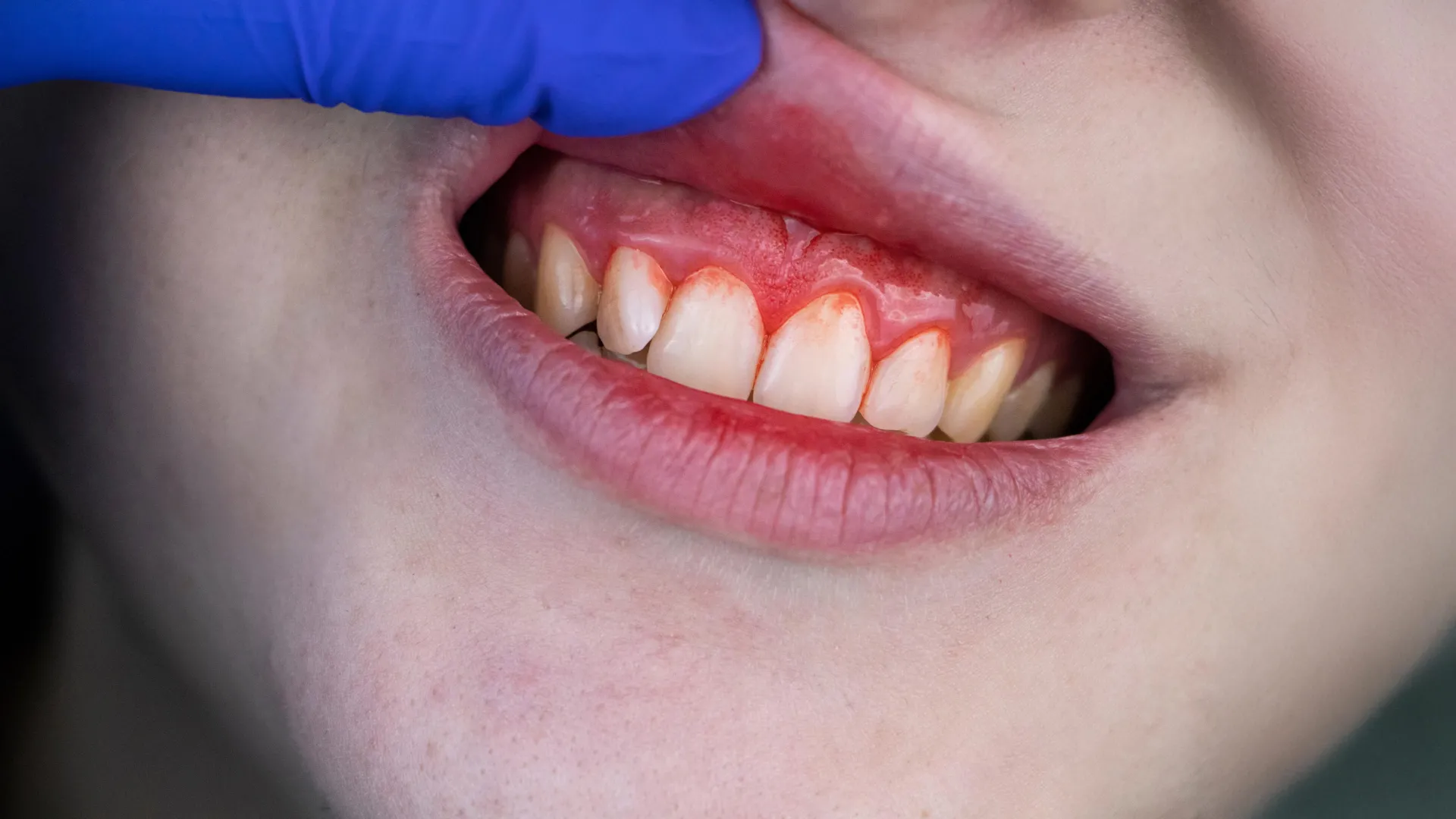
The landscape of periodontal care is standing on the precipice of a significant paradigm shift following the development of a highly selective, light-activated treatment for gum disease by a research team at Nagoya University. By repurposing advanced oncology techniques, scientists have engineered a methodology that effectively neutralizes the primary pathogen responsible for periodontitis—Porphyromonas gingivalis—without the collateral damage to the oral microbiome that often characterizes traditional antibiotic and photodynamic therapies. This research, recently published in the Journal of Translational Medicine, offers a potential solution to one of the most persistent challenges in dentistry: how to eliminate infection without destabilizing the delicate microbial ecosystem essential for long-term oral health.
The Complexity of Periodontal Pathogens
Periodontitis is more than a localized infection; it is a chronic inflammatory disease that, if left untreated, results in the progressive destruction of the periodontal ligament and the alveolar bone that anchors teeth within the jaw. At the heart of this pathology is Porphyromonas gingivalis, a bacterium classified by microbiologists as a "keystone pathogen."
Unlike commensal bacteria, which exist in a symbiotic relationship with the host, keystone pathogens like P. gingivalis possess an outsized influence on the oral environment. Even at low relative abundance, these organisms can orchestrate a dysbiotic shift in the local bacterial community. They stimulate a heightened immune response, trigger chronic inflammation, and release toxic byproducts—most notably lipopolysaccharides (LPS)—that actively degrade bone tissue. Because P. gingivalis thrives in the deep pockets between teeth and gums, it creates a protected niche that is notoriously difficult to eradicate using conventional mechanical cleaning or broad-spectrum antimicrobial agents.
The Limitations of Conventional Antimicrobial Approaches
For decades, the standard of care for advanced periodontitis has relied on mechanical debridement (scaling and root planing) often supplemented by systemic antibiotics or antimicrobial photodynamic therapy (aPDT). While these methods are effective at reducing the overall bacterial load, they are inherently blunt instruments.
Broad-spectrum antibiotics do not discriminate between the target pathogen and the beneficial microbes that keep the oral cavity healthy. Similarly, traditional aPDT—which involves applying a photosensitizing agent to the gums followed by light exposure—creates reactive oxygen species that kill everything in their path. This "scorched earth" approach to oral hygiene often leaves the patient susceptible to opportunistic infections and contributes to the growing global crisis of antibiotic resistance. Furthermore, the rapid lysis of bacterial cells caused by these treatments can trigger an "endotoxin dump," where the sudden release of inflammatory substances from dying bacteria actually worsens tissue inflammation in the short term.
Chronology of the Nagoya University Breakthrough
The development of the new treatment, termed near-infrared photo-antibacterial targeting therapy (NIR-PAT²), represents the culmination of a multi-year effort to translate cancer-targeting research into the field of periodontology.
- Phase I (Conceptualization): Building on the success of near-infrared photoimmunotherapy (NIR-PIT) in oncology—where antibodies conjugated to IRDye700DX are used to destroy cancer cells—the Nagoya team hypothesized that the same "lock and key" mechanism could be applied to oral pathogens.
- Phase II (Antibody Sourcing): The researchers turned to IgY antibodies, derived from the egg yolks of hens immunized against P. gingivalis. IgY is particularly advantageous because it is cost-effective to produce at scale and maintains high stability in the oral environment.
- Phase III (In Vitro Validation): Laboratory trials conducted between 2022 and 2023 demonstrated that the IgY-dye conjugate successfully homed in on P. gingivalis while leaving neighboring commensal bacteria untouched.
- Phase IV (Preclinical Testing): The final stage of the study involved testing the efficacy of NIR-PAT² in a murine model of periodontitis. The results, confirmed by the team led by Hiroshi Maruyama, Hideharu Hibi, and corresponding authors Kazuhide Sato and Kiyoshi Sakai, showed a marked reduction in alveolar bone loss compared to control groups treated with traditional methods.
Mechanism of Action: Selective Destruction
The precision of NIR-PAT² lies in the light-activated dye. When the antibody-dye conjugate binds to the surface of P. gingivalis, it remains inert until exposed to specific near-infrared light wavelengths. Once activated, the dye induces physical changes in the bacterial membrane.
Crucially, microscopic analysis revealed that the therapy induces "leaky" membranes rather than total cell disintegration. This is a vital distinction from existing therapies. By keeping the bacterial cell body intact while rendering the organism non-viable, the treatment prevents the massive discharge of intracellular endotoxins that typically exacerbates gum inflammation. In experimental models, the treated tissue showed faster healing trajectories and significantly less cellular stress than tissue subjected to traditional light-based treatments.
Implications for Public Health and Personalized Medicine
The implications of this research extend far beyond the dental chair. The connection between periodontitis and systemic health is well-documented in medical literature; chronic gum inflammation has been identified as a significant risk factor for systemic conditions including cardiovascular disease, diabetes mellitus, and rheumatoid arthritis. By developing a method to manage oral health without disrupting the microbiome, the Nagoya team is not merely improving dental outcomes—they are potentially influencing the systemic inflammatory burden of the patient.
However, the researchers are careful to temper optimism with scientific rigor. As Kazuhide Sato noted, the oral microbiome is a complex, multi-species network. While P. gingivalis is a primary driver of disease, it is rarely the sole actor. To address this, the team is currently integrating artificial intelligence (AI) to map the broader network of oral bacteria. By utilizing big data to understand the synergistic relationships between different bacterial species, they hope to expand the library of targets for NIR-PAT². This could eventually lead to a "cocktail" of antibodies tailored to the specific microbial profile of an individual patient, marking a significant step toward truly personalized periodontal care.
The Road Ahead: Clinical Translation
Despite the success in laboratory cultures and animal models, the path to the dental clinic remains long. The transition from murine models to human clinical trials requires rigorous safety evaluations to ensure that the antibody-dye conjugates do not trigger allergic reactions or unintended mucosal irritation.
Furthermore, the practical implementation of near-infrared light delivery systems in a standard dental office environment must be refined. Current dental equipment is not optimized for this specific wavelength of targeted phototherapy, meaning that a shift in clinical practice would necessitate both new hardware and specialized training for practitioners.
Nevertheless, the data presented in the Journal of Translational Medicine provides a compelling proof-of-concept. The ability to "de-escalate" the treatment of gum disease—moving away from the indiscriminate destruction of the oral flora toward a surgical-like precision—addresses a fundamental gap in current therapeutic protocols. If future clinical trials mirror the success seen in the Nagoya study, the dental profession may soon possess a tool that allows for the effective management of chronic periodontitis while simultaneously fostering a more resilient, healthier oral microbiome.
The collaborative effort at Nagoya University underscores the importance of interdisciplinary research. By importing the sophisticated targeting mechanisms of cancer therapy into the realm of infectious disease, the researchers have opened a new frontier. As the project moves into its next phase, the global dental community will be watching closely to see if this targeted light therapy can fulfill its promise of replacing broad-spectrum destruction with a more nuanced, biological approach to oral health. For now, the technology remains an experimental beacon, suggesting a future where gum disease is treated not by fighting a war against all bacteria, but by precisely correcting the microbial imbalances that lead to disease.