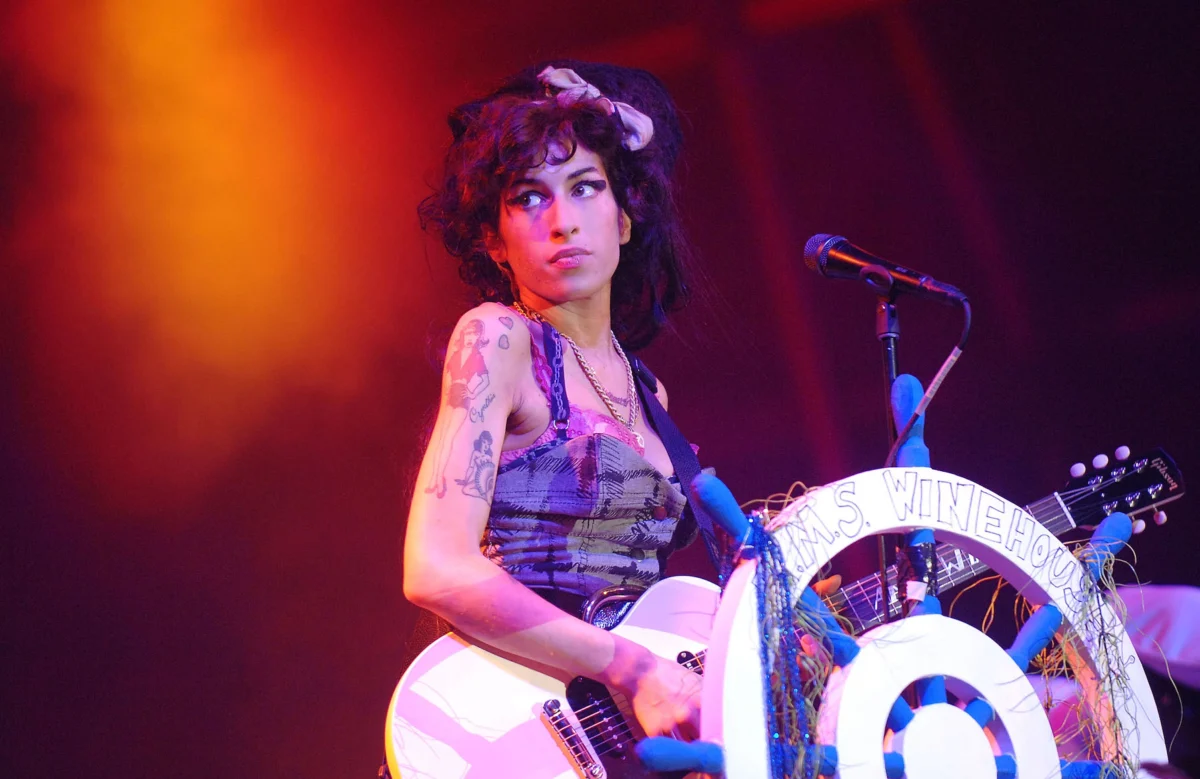
The music world paused this week to honor the memory of Amy Winehouse, the soulful British powerhouse whose tragic death at the age of 27 left a void in the industry that remains palpable fifteen years later. On Thursday, July 23, the estate and family of the late singer-songwriter issued a series of tributes, reflecting on her enduring legacy, her unparalleled vocal talent, and the complex personal struggles that defined much of her public narrative. Through official statements and intimate interviews, those closest to the artist highlighted how her work continues to resonate with new generations of listeners, transcending the era in which it was created.
The official Amy Winehouse Instagram account, managed by her estate, published a poignant tribute that underscored the timeless nature of her artistry. The post noted that fifteen years after her passing, Winehouse’s music continues to connect with people globally, driven by a voice and a spirit that remain as powerful today as they were during her meteoric rise in the mid-2000s. "Her voice, her songwriting, her honesty, and her unique spirit remain as powerful today as ever," the estate wrote, expressing gratitude to the fans who have kept her memory alive through the music she championed.
A Mother’s Reflection on Grief and Success
In a rare and candid interview with The i magazine, Janis Winehouse, the singer’s mother, provided a deeper look into the family’s ongoing journey with grief and the psychological pressures that Amy faced during her lifetime. Janis reflected on her daughter’s complicated relationship with fame, suggesting that the very success Amy achieved was a burden she was never fully prepared to carry. "She was a victim of her own success," Janis remarked, describing Amy as someone who did not actively seek the global spotlight and often reacted with genuine surprise to the scale of her own celebrity.
Janis Winehouse further explored the link between Amy’s lack of self-confidence and her eventual descent into substance abuse. According to her mother, the alcohol served as a mechanism to numb emotional pain—a pattern Janis observes in many struggling with addiction. "The alcohol takes away the pain. And that is a horrible thing with addiction. Once you’re addicted, you’re addicted. The only boss is the addiction," she stated. These comments provide a sobering perspective on the internal battles that coincided with Amy’s professional triumphs, offering a reminder of the human being behind the iconic "beehive" persona.
Despite the heavy nature of the anniversary, Janis emphasized her resilience. She noted that while the grief remains, she continues to "get on with life," a sentiment echoed by her presence at Amy’s graveside on Thursday. Janis was joined by Amy’s father, Mitch Winehouse, as they visited the singer’s final resting place in London to pay their respects, an annual tradition that serves as a quiet moment of reflection amidst the global public tributes.
The Cultural and Musical Legacy of Back to Black
To understand the weight of this 15th anniversary, one must look back at the seismic impact Amy Winehouse had on the landscape of popular music. Emerging from the North London jazz scene, Winehouse first garnered critical acclaim with her 2003 debut album, Frank. However, it was her 2006 follow-up, Back to Black, that transformed her into a global phenomenon. Produced by Mark Ronson and Salaam Remi, the album was a masterful blend of 1960s girl-group soul, contemporary R&B, and raw, confessional jazz.
Back to Black did more than just sell millions of copies; it shifted the trajectory of the music industry. At a time when pop music was dominated by highly polished, electronic sounds, Winehouse brought back an organic, retro-inspired aesthetic that prioritized lyrical vulnerability and vocal imperfection. Her success paved the way for a "British Invasion" of female soul singers, with artists like Adele, Duffy, and Florence Welch frequently citing Winehouse as a primary influence.
The statistical success of the album remains staggering. Back to Black has sold over 16 million copies worldwide and remains one of the best-selling albums in UK history. At the 50th Grammy Awards in 2008, Winehouse won five awards, including Best New Artist, Record of the Year, and Song of the Year for "Rehab." This achievement tied the record at the time for the most wins by a female artist in a single night, cementing her status as one of the most decorated artists of her generation.
Chronology of a Life Cut Short
The trajectory of Amy Winehouse’s life was marked by rapid ascent and a public struggle with the pressures of stardom.
- September 14, 1983: Amy Jade Winehouse is born in Southgate, London, to a family with a deep love for jazz.
- October 20, 2003: Release of Frank. The album is nominated for the Mercury Prize and earns Winehouse an Ivor Novello Award for songwriting.
- October 27, 2006: Release of Back to Black. The album propels her to international superstardom, though her personal life becomes increasingly scrutinized by the paparazzi.
- February 10, 2008: Winehouse sweeps the Grammy Awards. Due to visa issues, she performs via satellite from London.
- 2008–2010: A period marked by erratic performances and highly publicized battles with addiction, alongside several attempts at rehabilitation.
- July 23, 2011: Winehouse is found dead in her home in Camden Square, London.
- October 2011: A coroner’s inquest confirms the cause of death as alcohol poisoning, recording a verdict of "death by misadventure." Her blood-alcohol level was determined to be more than five times the legal driving limit.
In the years following her death, the fascination with her life has not waned. The 2015 documentary Amy, directed by Asif Kapadia, provided a searing look at her life and won the Academy Award for Best Documentary Feature. More recently, the 2024 biopic Back to Black, starring Marisa Abela, sought to re-examine her story for a new audience, demonstrating that her life remains a subject of intense cultural interest.
The Amy Winehouse Foundation and Philanthropic Impact
In the wake of their daughter’s death, the Winehouse family sought to turn their personal tragedy into a source of support for others. The Amy Winehouse Foundation was established on what would have been her 28th birthday, September 14, 2011. The foundation’s mission is to inform and educate young people about the effects of drug and alcohol misuse, as well as to provide support for those who are vulnerable or at risk.
One of the foundation’s most significant initiatives is "Amy’s Place," a recovery house in East London specifically designed for young women. Recognizing that women often have different needs and face different barriers in recovery than men, the facility provides a safe environment for them to rebuild their lives after completing traditional rehabilitation programs.
To mark the 15th anniversary this past weekend, the foundation and the Winehouse family organized a free tribute concert in London. The event served a dual purpose: celebrating Amy’s musical contributions and raising awareness for the foundation’s ongoing work. By providing a platform for local artists and sharing stories of recovery, the event reinforced the idea that Amy’s legacy is not just one of tragedy, but also one of hope and tangible help for others facing similar battles.
Industry Implications and the Evolution of Artist Care
The death of Amy Winehouse, alongside the passing of other young artists, sparked a long-overdue conversation within the music industry regarding mental health and the duty of care that labels and management owe to their performers. In the mid-2000s, the tabloid culture was at its peak, and Winehouse was often the subject of cruel mockery in the press during her most vulnerable moments.
Today, there is a marked shift in how the industry handles such issues. Many major record labels have implemented mental health support systems and wellness programs for their artists. The "27 Club"—the tragic list of musicians who died at that age, including Kurt Cobain, Jimi Hendrix, and Janis Joplin—is now often discussed through the lens of mental health advocacy rather than mere rock-and-roll mythology.
Winehouse’s story serves as a cautionary tale about the dangers of rapid fame in the absence of a robust support network. It has also influenced how modern stars, such as Billie Eilish and Lewis Capaldi, speak openly about their mental health struggles and the need to take breaks from the industry to preserve their well-being.
Final Reflections on a Timeless Artist
As fans across the globe play "Tears Dry on Their Own" or "Love Is a Losing Game" in remembrance this week, the consensus remains that Amy Winehouse was a once-in-a-generation talent. Her ability to fuse the pain of her personal life with the sophistication of classic soul created a body of work that feels remarkably contemporary fifteen years later.
The tribute from her estate and the words of Janis Winehouse serve as a reminder that while the world lost a musical icon, a family lost a daughter. By focusing on her "honesty" and "unique spirit," her estate ensures that she is remembered for her creative contributions rather than just the headlines that dominated her final years. Through the Amy Winehouse Foundation and the continued popularity of her discography, her voice remains a permanent fixture in the cultural lexicon, proving that while her life was short, her influence is enduring.