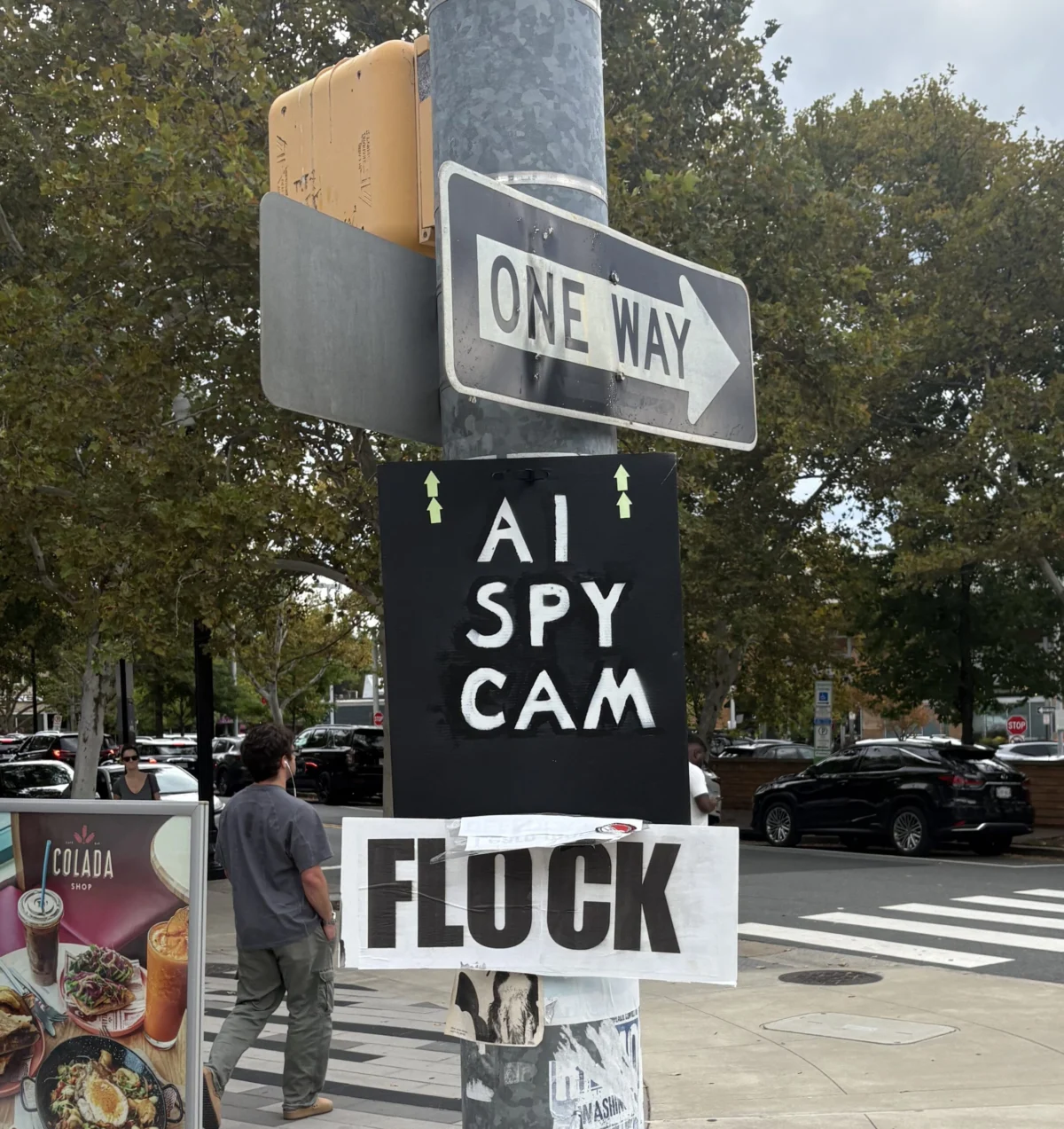
Embattled surveillance technology firm Flock Safety has launched a comprehensive voluntary buyout program for its 1,500-person workforce, marking a significant strategic pivot as the company grapples with an intense period of public scrutiny and corporate instability. The move, announced internally on Friday, September 18, 2026, aims to facilitate a reduction in headcount while avoiding the potential morale-crushing effects of mandatory layoffs. According to internal communications obtained by industry observers, the company has characterized these severance packages as the most generous in its history, signaling an urgent desire to streamline operations amidst a rapidly deteriorating business environment.
The decision to offer these buyouts comes at a critical juncture for the Atlanta-based startup, which has spent years positioning its automated license plate recognition (ALPR) cameras as a vital tool for modern law enforcement. However, a summer of high-profile controversies has effectively crippled the company’s momentum, forcing leadership to reconsider its organizational structure and long-term viability in an increasingly hostile regulatory landscape.
A Summer of Institutional Crisis
The current turmoil surrounding Flock Safety did not emerge in a vacuum. It is the culmination of a months-long crisis of confidence that began in early summer 2026. For years, the company operated with a relatively low public profile, successfully selling its camera networks—which utilize machine learning to catalog vehicle data—to thousands of municipalities and private neighborhood associations across the United States.
The turning point occurred in August 2026, when a major investigation by The Washington Post exposed a series of systemic abuses involving the misuse of Flock technology. The report detailed at least 46 distinct instances where law enforcement officers utilized the company’s vast network of cameras to conduct unauthorized surveillance. The allegations were particularly damaging, as they included instances of police officers tracking the movements of their wives, girlfriends, and former partners—conduct that directly contradicts the company’s marketing claims that its technology is used exclusively for legitimate public safety purposes.
These revelations triggered a swift and decisive reaction from local governments. Throughout August, the pace of contract terminations accelerated at a record-breaking speed. An analysis by independent anti-surveillance advocacy groups revealed that 90 cities opted to terminate their contracts with Flock in August alone. This figure represented a four-fold increase compared to the previous month, indicating that municipal leaders were no longer willing to weather the political and ethical fallout associated with the company’s platform.
Regulatory and Political Fallout
The erosion of trust has extended well beyond individual city councils, reaching the state level. In a significant blow to the company’s regional presence, both Florida and Texas, two of the largest markets for surveillance technology, initiated formal moves to restrict or entirely ban the use of Flock’s systems. These legislative actions reflect a broader national debate regarding the balance between public safety and the fundamental right to privacy in the digital age.
The privacy concerns center on the nature of Flock’s "searchable" database. Unlike traditional security cameras, which often require manual review, Flock’s system allows users to search for specific vehicles by make, model, color, and license plate across entire regions. Critics have long argued that this infrastructure creates a "virtual dragnet" that is ripe for abuse, particularly when access is granted to law enforcement personnel without stringent oversight or judicial warrants.
Internal Morale and Corporate Strategy
Flock CEO Garrett Langley has publicly acknowledged the severity of the situation. In a recent appearance on the All-In podcast, Langley conceded that the "biggest damage" caused by the recent headlines has been to internal morale. The company’s employees, many of whom joined with the mission of providing "safety as a service," now find themselves working for a firm that has become a symbol of surveillance overreach.

The voluntary buyout program is widely interpreted by market analysts as a preemptive measure to avoid the logistical and emotional fallout of involuntary layoffs. By offering generous packages to those who wish to depart, the company hopes to trim its payroll costs—which currently support approximately 1,500 employees—while potentially retaining staff who are more aligned with the company’s revised mission or who remain committed to navigating the current crisis.
However, industry experts suggest that the move is an admission that the company expects its current revenue trajectory to decline. With 90 cities cutting ties in a single month, the recurring subscription revenue that fuels Flock’s growth model is clearly at risk. Without the buyouts, leadership admitted that mandatory staff reductions would have been "almost certainly" required to balance the books, suggesting that the company’s financial projections for the upcoming fiscal year have been significantly downgraded.
Broader Implications for the Surveillance Industry
The plight of Flock Safety highlights a growing tension between technological capability and public acceptance. As ALPR and facial recognition technologies become more accurate and accessible, the legal and ethical frameworks governing their use have struggled to keep pace.
For the surveillance industry, the events of 2026 may serve as a cautionary tale. Companies that fail to implement robust, verifiable safeguards against the misuse of their data—such as mandatory audit logs, strict access controls, and transparent oversight committees—are finding themselves increasingly vulnerable to political cancellation.
The implications for law enforcement agencies are equally significant. Many departments have grown dependent on the "force multiplier" effect of these technologies, using them to solve crimes that would otherwise remain cold. As these agencies lose access to private-sector networks, they face the challenge of justifying the cost of maintaining their own surveillance infrastructure, which may lack the advanced software integration provided by vendors like Flock.
Future Outlook
As of September 19, 2026, Flock Safety has not released specific figures regarding how many employees have accepted the buyout offer. However, the company’s statement that it expects a "significant portion" of the workforce to express interest suggests that a major organizational restructuring is already underway.
The company now faces a dual challenge: restoring its tarnished brand and regaining the trust of municipal stakeholders. Whether Flock can successfully pivot its business model—perhaps by implementing more rigorous data protection protocols or pivoting toward different, less controversial surveillance applications—remains to be seen.
The next few months will be decisive. If the rate of contract terminations continues at the velocity seen in August, Flock may be forced to look beyond mere staff reductions and consider deeper structural changes, including potential mergers or acquisitions. For now, the company remains in a state of managed contraction, attempting to weather a storm of its own making while the broader public continues to scrutinize the role of high-tech surveillance in a democratic society.
As the industry watches, the "Flock effect" is already being felt across the sector. Other surveillance startups are reportedly reviewing their internal policies and auditing their client lists to ensure that similar scandals do not compromise their own standing with local governments. The era of unchecked growth for surveillance-as-a-service providers appears to be coming to a close, replaced by an era of intense public oversight and accountability. Whether Flock Safety survives this period of transition depends on its ability to prove that its technology can be used safely, ethically, and—most importantly—without the abuses that have defined its recent downfall.