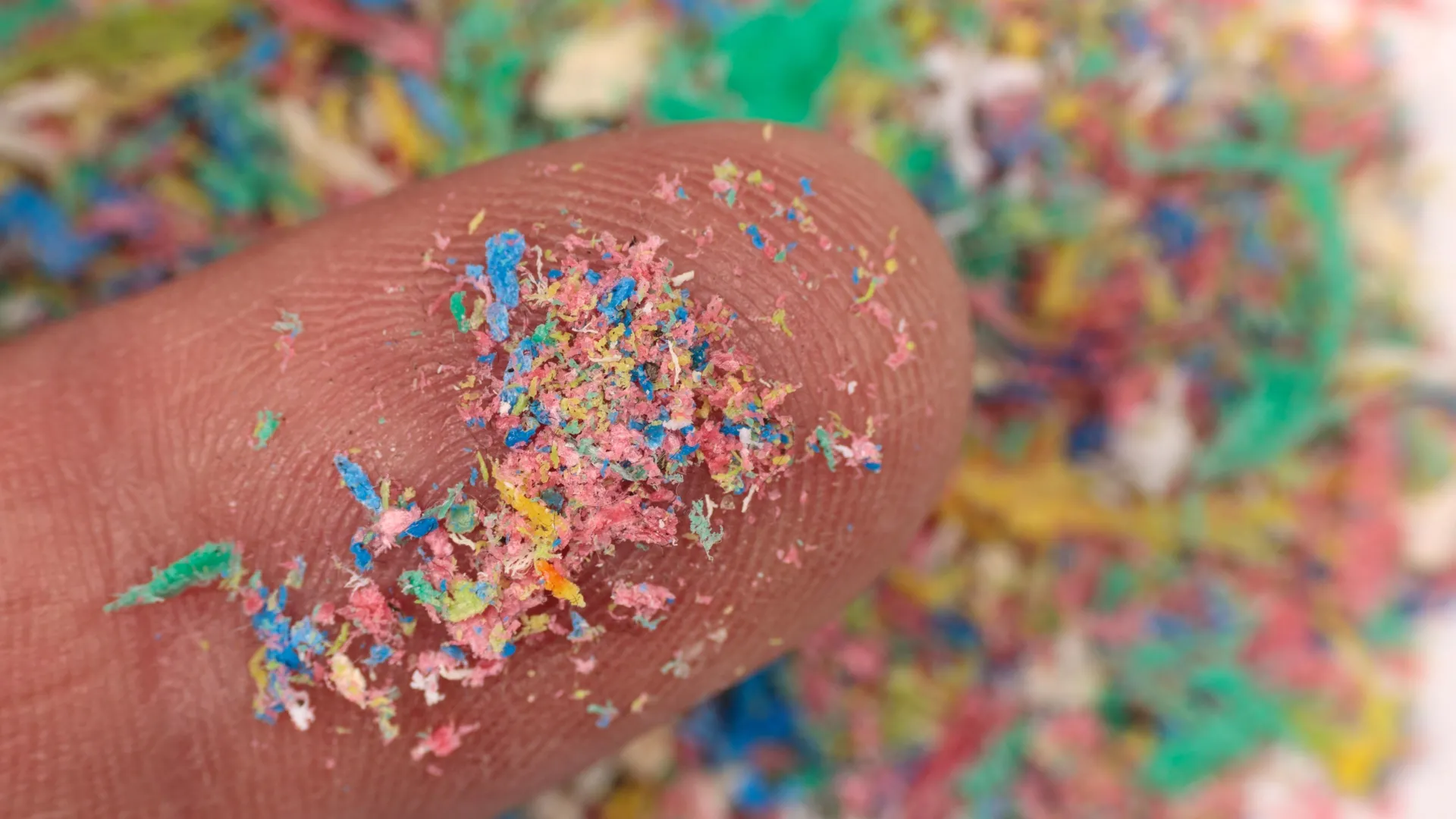
The World Institute of Kimchi (WiKim), a government-funded research organization operating under the South Korean Ministry of Science and ICT, has released a groundbreaking study identifying a specific strain of lactic acid bacteria isolated from kimchi that demonstrates a unique capability to bind with and facilitate the removal of nanoplastics from the human gastrointestinal tract. This discovery marks a significant intersection between traditional fermented food science and modern environmental toxicology, offering a potential biological intervention for an increasingly pervasive global health concern.
Nanoplastics—defined as plastic particles measuring less than 1 micrometer (µm) in diameter—have become ubiquitous in the global food chain. Unlike larger microplastics, the minute dimensions of these particles allow them to bypass traditional biological barriers. Research indicates that once ingested through food or water, nanoplastics can translocate from the gastrointestinal tract into the bloodstream, eventually accumulating in vital organs, including the liver, kidneys, and the brain. As the scientific community continues to quantify the long-term systemic risks of plastic ingestion, the findings from the World Institute of Kimchi provide a timely, albeit early-stage, scientific mechanism for mitigating the internal impact of these pollutants.
Chronology and Methodology of the Discovery
The research, spearheaded by Drs. Se Hee Lee and Tae Woong Whon at WiKim, began with the objective of screening probiotic strains for their functional interaction with environmental pollutants. The investigation focused on Leuconostoc mesenteroides CBA3656, a strain specifically isolated from traditional kimchi, a staple of Korean cuisine known for its diverse and robust microbial ecosystem.
The research team conducted a multi-phase experimental design to validate the efficacy of the strain. In the initial phase, researchers tested the adsorption capacity of L. mesenteroides CBA3656 against polystyrene nanoplastics (PS-NPs) under controlled laboratory conditions. The results were highly promising, with the CBA3656 strain exhibiting an 87% adsorption efficiency. This was directly benchmarked against Latilactobacillus sakei CBA3608, a reference strain that showed an 85% efficiency in the same standard environment.
However, the defining moment of the study occurred during the second phase, where the strains were subjected to simulated human intestinal conditions. This environment is characterized by fluctuating pH levels, the presence of bile salts, and digestive enzymes—factors that typically inhibit the functionality of many microbial agents. In this simulated gut environment, the reference strain L. sakei CBA3608 saw its adsorption rate collapse from 85% to a negligible 3%. In stark contrast, the kimchi-derived L. mesenteroides CBA3656 maintained a robust 57% adsorption rate. This stability suggests that the strain possesses unique structural or chemical properties that allow it to retain its binding affinity despite the hostile chemical environment of the human digestive system.
In Vivo Validation and Scientific Evidence
To transition from in vitro laboratory findings to physiological evidence, the WiKim team employed a germ-free mouse model. This controlled experiment allowed researchers to isolate the specific impact of the probiotic on nanoplastic excretion without interference from existing gut microbiota.
In the study, the mice were administered the L. mesenteroides CBA3656 strain, and their fecal output was analyzed for nanoplastic content. The data revealed a definitive trend: mice that received the probiotic supplementation exhibited a greater than twofold increase in the concentration of nanoplastics in their feces compared to the control group that received no probiotics. This provides a compelling, fact-based indication that the bacteria successfully bind to the nanoplastics within the gut, thereby preventing their systemic absorption and facilitating their clearance from the body through normal digestive processes.
The Growing Crisis of Nanoplastic Pollution
The significance of this study is magnified by the current state of global plastic pollution. According to reports from the United Nations Environment Programme (UNEP), plastic debris is present in every corner of the planet, from the deepest ocean trenches to the high-altitude peaks of the Himalayas. The degradation of larger plastics into microplastics and, subsequently, nanoplastics, is a continuous process driven by UV radiation, mechanical abrasion, and thermal degradation.
Recent studies published in journals such as Nature Nanotechnology have highlighted that humans consume, on average, tens of thousands of plastic particles per year. While the toxicological profile of these particles is still being established, preliminary animal studies have linked high concentrations of nanoplastics to oxidative stress, inflammatory responses, and potential disruptions to the endocrine system. The WiKim research addresses the "biological bottleneck"—the challenge of removing these particles once they enter the body. By leveraging a probiotic that is already a common component of the human diet through fermented foods, the research offers a strategy that is arguably safer and more sustainable than synthetic chelation agents or pharmacological interventions.
Official Responses and Institutional Vision
President Hae Choon Chang of the World Institute of Kimchi noted that the institute’s mission extends beyond the preservation of cultural heritage; it seeks to utilize the vast microbial library of kimchi to solve contemporary global crises. "The integration of food science and environmental health is a core pillar of our current research trajectory," said Chang.
Dr. Sehee Lee, the lead researcher, emphasized the shift in how the scientific community views fermented food microbes. "Traditionally, we focused on the nutritional or digestive benefits of kimchi probiotics. This study forces a paradigm shift, recognizing these microorganisms as potential agents for environmental detoxification," Lee stated. "Our findings suggest that microorganisms derived from traditional fermented foods could represent a new biological approach to address this emerging challenge. We will continue to expand the scientific value of kimchi microbial resources to contribute to public health and environmental solutions."
The implications of this research have drawn attention from health officials and environmental scientists alike. While the study is currently limited to animal models, the fact that L. mesenteroides CBA3656 is a food-grade microorganism suggests that the path to clinical trials or dietary supplement development could be shorter than that of traditional chemical-based medical therapies.
Broader Impact and Future Implications
The WiKim study opens several new avenues for future investigation:
- Dietary Integration: Researchers may look into whether the regular consumption of kimchi containing this specific strain could provide a prophylactic effect against the daily ingestion of environmental nanoplastics.
- Mechanistic Mapping: Future studies will likely focus on the exact molecular mechanism by which the bacteria bind to polystyrene. Understanding whether this mechanism is specific to polystyrene or if it can be adapted for other common polymers like polyethylene or polypropylene is essential.
- Human Clinical Trials: The transition from germ-free mouse models to human clinical trials will be the ultimate litmus test. Researchers will need to determine if the probiotic survives the transit through the human stomach and if it maintains sufficient density to act as an effective "nanoplastic sponge."
- Public Health Policy: If confirmed in human trials, this discovery could influence public health recommendations regarding diet and the mitigation of environmental toxicity, potentially framing fermented foods as functional tools for environmental resilience.
The World Institute of Kimchi’s research represents a sophisticated application of biotechnology to a pervasive ecological problem. By demonstrating that a probiotic strain can survive the rigors of the digestive tract and effectively bind to synthetic pollutants, the team has provided a clear, actionable foundation for future public health strategies. As the world continues to grapple with the legacy of plastic production, the realization that the solutions may lie within the traditional fermentation practices of the past serves as a powerful reminder of the untapped potential of microbial biodiversity.
In summary, the identification of L. mesenteroides CBA3656 is not merely a localized success for kimchi research; it is a significant step toward developing a bio-based, non-invasive method for managing the human intake of plastic pollutants. With ongoing support from the Ministry of Science and ICT, the World Institute of Kimchi is positioned to lead the next phase of this critical research, potentially setting a new standard for how we integrate probiotic-based interventions into the broader landscape of environmental and preventative medicine. The transition from the laboratory to broader application remains the next challenge, but the scientific evidence gathered thus far provides a compelling argument for the continued exploration of kimchi-derived microorganisms in the fight against nanoplastic accumulation.