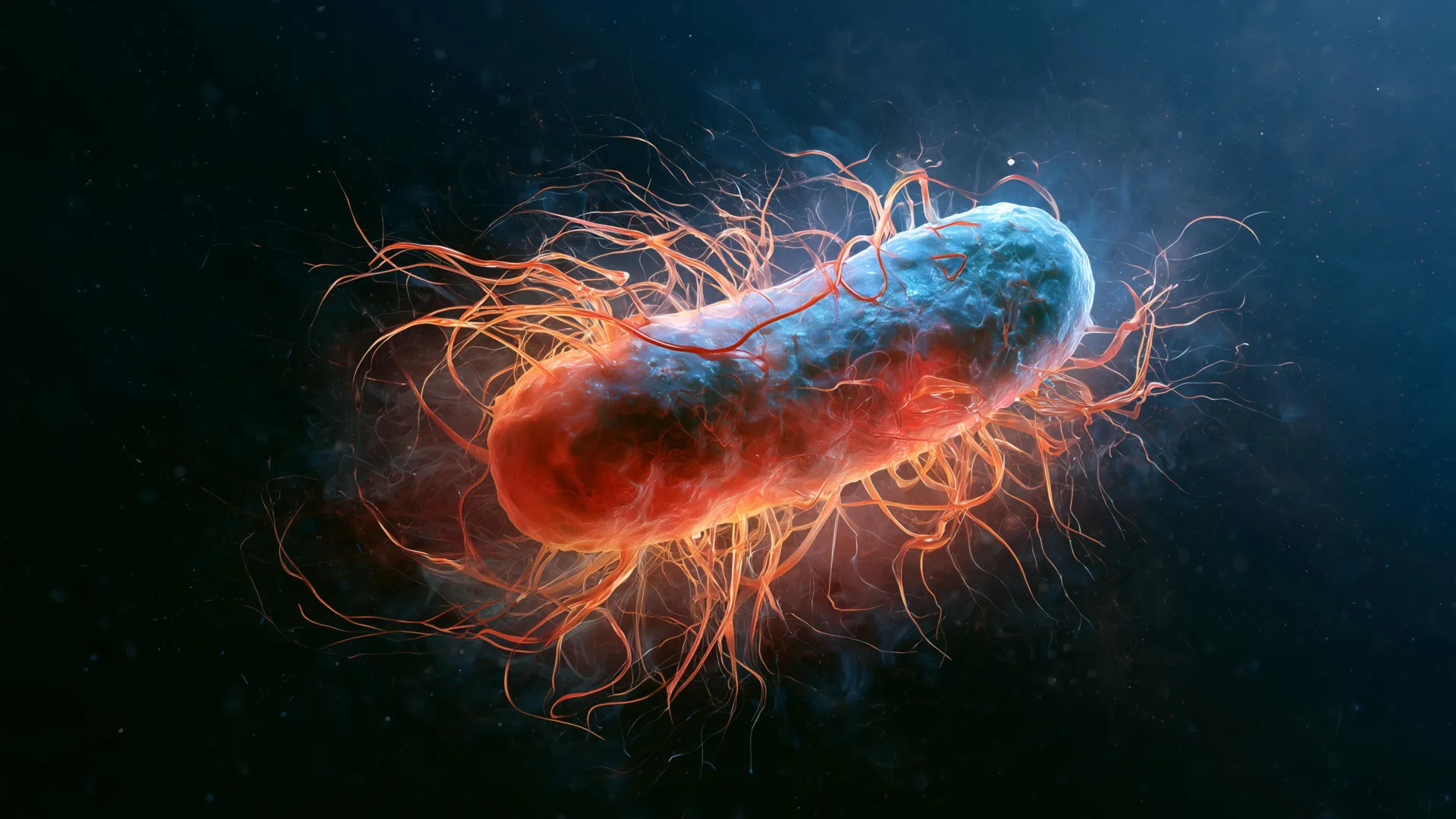
A research team led by Professor An Xu at the Hefei Institutes of Physical Science (HFIPS) of the Chinese Academy of Sciences has unveiled a novel biological pathway for longevity, demonstrating that the magnetotactic bacterium Magnetospirillum magneticum AMB-1 (AMB-1) can significantly extend the healthy lifespan of the model organism Caenorhabditis elegans. Published in the peer-reviewed journal Free Radical Biology and Medicine, the study establishes a direct link between the suppression of ferroptosis—an iron-dependent form of programmed cell death—and the presence of magnetic bacteria within the host. These findings mark a departure from conventional pharmacological interventions, suggesting that engineered microorganisms could play a pivotal role in future geriatric medicine.
The Biological Context of Aging and Ferroptosis
Aging is defined by the progressive decline of physiological integrity, leading to impaired function and increased vulnerability to chronic pathologies. Historically, researchers have focused on genetic modifications, caloric restriction mimetics, and pharmacological agents to modulate the hallmarks of aging. However, many of these approaches have faced hurdles regarding long-term toxicity, low bioavailability, and off-target effects.
In recent years, the scientific community has turned its attention to ferroptosis, a distinct modality of cell death characterized by the iron-dependent accumulation of lipid peroxides. Unlike apoptosis or necrosis, ferroptosis is driven by the failure of antioxidant defense mechanisms, specifically the glutathione-dependent enzyme GPX4, which is unable to neutralize toxic lipid ROS (reactive oxygen species). As organisms age, the dysregulation of iron homeostasis and the accumulation of oxidative stress facilitate ferroptotic cell death, contributing to neurodegeneration and the degradation of tissue barriers. The HFIPS study posits that the introduction of AMB-1 serves as a biological regulator, modulating the iron levels and oxidative landscape of the host to preserve cellular viability.
Experimental Chronology and Methodology
The investigation was conducted over a multi-year period, beginning with the cultivation of the AMB-1 strain and the establishment of a robust C. elegans aging model. The researchers designed a multi-phase experiment to assess the efficacy of the bacteria.
In the initial phase, C. elegans specimens were exposed to AMB-1 under controlled laboratory conditions. The researchers monitored the worms throughout their life cycle, recording survival rates, motor function, and tissue integrity. By comparing the treated population to a control group, the team observed a stark divergence in longevity trajectories.
The second phase of the research involved a comparative analysis using different variants of the bacteria to identify the functional importance of magnetosomes—the membrane-enclosed, iron-rich crystals that allow these bacteria to navigate magnetic fields. The researchers utilized wild-type AMB-1, reversibly non-magnetotactic (RNM-AMB-1) variants, and non-magnetotactic (NM-AMB-1) strains. This comparative framework allowed the team to isolate whether the physical presence of the bacteria was sufficient, or whether the magnetosome structures themselves were necessary for the observed anti-aging effects.
Data Analysis: The Magnitude of Longevity
The quantitative results of the study were significant. Worms treated with wild-type AMB-1 demonstrated a 43.39% increase in their average lifespan compared to the control group. Beyond mere longevity, the researchers focused on "healthspan," defined as the period of life spent in good health. The AMB-1 treated worms showed enhanced neurological function, measured by their motility and response to stimuli, as well as improved intestinal integrity, which is a key marker of aging in C. elegans.
Data from the genetic analysis further illuminated the mechanism. The team found that the longevity effect was heavily dependent on the presence of functional magnetosomes. While the RNM-AMB-1 strain provided a moderate increase in lifespan, the non-magnetotactic NM-AMB-1 strain failed to extend the lifespan of the worms entirely. This implies that the iron-processing capabilities inherent in magnetosomes are likely the mechanism by which the bacteria regulate the host’s iron homeostasis, thereby preventing the oxidative lipid damage that triggers ferroptosis.
Molecular Pathways and Genetic Regulation
To validate the connection to ferroptosis, the team investigated specific gene pathways. Through transcriptional profiling, they identified that the introduction of AMB-1 modulated several genes critical to the ferroptotic process: ftn-1, bli-3, and ads-1.
The ftn-1 gene, which encodes ferritin, is essential for iron storage and sequestration. By upregulating or stabilizing this pathway, the bacteria appear to help the host manage excess iron, preventing it from participating in the Fenton reaction, which produces harmful hydroxyl radicals. Simultaneously, the modulation of bli-3 and ads-1 suggests that the bacteria influence the production of reactive oxygen species and the structural maintenance of the worm’s cuticle and intestinal lining.
This complex interplay suggests that the bacteria do not merely act as a passive supplement but actively participate in the host’s metabolic regulation. The ability of these bacteria to thrive in the host environment without inducing toxicity—biocompatibility—was a major focus of the study, as the team noted no significant adverse reactions in the treated worms.
Implications for Geriatric Medicine and Biotechnology
The broader implications of this research are substantial. Magnetotactic bacteria have long been studied for their potential in targeted drug delivery, as their magnetic properties allow them to be directed to specific sites within the body using external magnetic fields. This new study adds a layer of therapeutic potential: the ability to influence the host’s cellular death pathways.
While the jump from C. elegans to humans is significant, the findings provide a proof-of-concept that could shift the paradigm of microbiome-based anti-aging therapies. Scientists are increasingly viewing the gut microbiome as an endocrine organ, and the capacity to "seed" the microbiome with engineered or selected bacterial strains to modulate iron metabolism could open doors to treating age-related conditions like Parkinson’s disease, Alzheimer’s, and chronic inflammatory diseases, all of which have links to iron dyshomeostasis and ferroptosis.
Expert Perspectives and Scientific Consensus
The scientific community has reacted with cautious optimism. While experts in the field of aging research acknowledge the robustness of the data regarding C. elegans, they emphasize that human physiology presents a significantly more complex environment. The challenge of introducing non-native bacteria into the human gut, ensuring their colonization, and maintaining their magnetic functionality remains a formidable hurdle.
However, the team at the Hefei Institutes of Physical Science maintains that the mechanism of ferroptosis is highly conserved across species, from nematodes to mammals. By establishing that a microbial agent can inhibit a core process of cellular aging, the research provides a foundational framework for future investigations into "living therapeutics."
Challenges and Future Directions
The next phase of research will likely involve higher-order model organisms, such as murine models, to determine if the longevity effects persist in more complex physiological systems. Questions regarding the dosage, duration of treatment, and the long-term interaction between the immune system and the AMB-1 bacteria remain to be answered.
Furthermore, the engineering of AMB-1 to optimize its iron-sequestration properties could enhance its efficacy. If the researchers can prove that these bacteria can be safely administered to mammals, the potential for creating a new class of "longevity probiotics" becomes a tangible possibility.
Conclusion
The study conducted by Professor An Xu and his colleagues represents a significant milestone in the intersection of microbiology and longevity science. By identifying that Magnetospirillum magneticum AMB-1 acts as an inhibitor of ferroptosis, the researchers have identified a clear, actionable pathway for intervention. As society faces the challenges of an aging global population, the integration of such innovative biological strategies may prove vital. While clinical application remains a distant goal, the evidence provided by this study firmly places magnetotactic bacteria at the center of a new, promising, and highly specialized field of anti-aging research. The research underscores the necessity of interdisciplinary approaches, merging microbiology, genetics, and gerontology to address the fundamental biology of how we age and how we might, in the future, extend the duration of a healthy life.