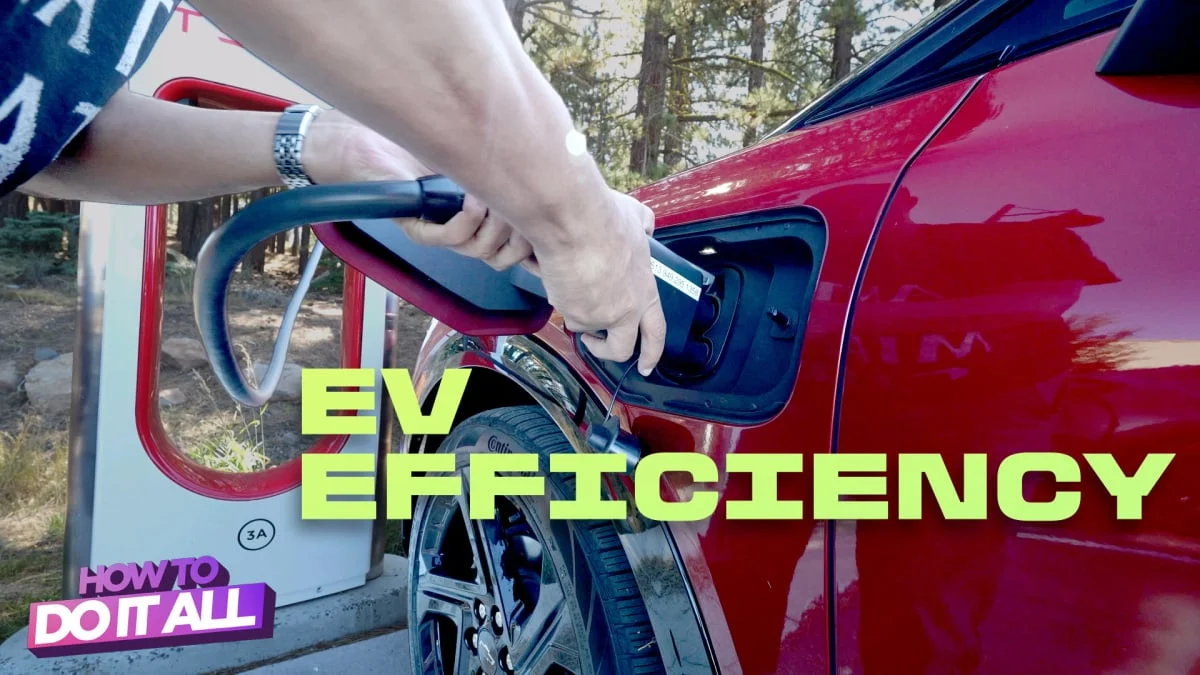
The transition from internal combustion engine vehicles to battery-electric vehicles represents one of the most profound paradigm shifts in the history of personal transportation. While daily commuting and local errands have long proven manageable for modern EVs, the prospect of undertaking a multi-hundred-mile interstate journey frequently elicits range anxiety among consumers. To evaluate the current viability and practical requirements of long-distance electric travel, a recent test expedition was conducted from the San Francisco Bay Area to Reno, Nevada, and back, entirely reliant on battery power. Utilizing the 2026 Chevrolet Equinox EV, this journey served as a real-world stress test for charging infrastructure, route-planning software, vehicle efficiency, and driver preparedness. The findings underscore that while zero-emission road trips are entirely feasible, they demand a heightened level of logistical planning compared to their gasoline-powered counterparts.
Main Facts of the Expedition
The route from the San Francisco Bay Area to Reno encompasses a diverse topography, transitioning from sea-level urban corridors across the Sacramento Valley and ascending the formidable Sierra Nevada mountain range via Interstate 80 before descending into the high desert of western Nevada. This corridor is representative of the geographic and climatic extremes that challenge EV efficiency, including rapid elevation gains, high-speed interstate cruising, and fluctuating ambient temperatures.
The vehicle chosen for the journey, the 2026 Chevrolet Equinox EV, represents a crucial segment of the expanding electric automotive market: affordable, mass-market crossovers designed to appeal to mainstream buyers. Throughout the round-trip excursion, the vehicle consumed zero drops of petroleum, relying exclusively on public DC fast-charging networks and destination chargers. However, completing the journey efficiently required adherence to a strict set of protocols regarding software utilization, energy management, tire maintenance, and thermal preconditioning.
Chronology and Route Dynamics
The journey was methodically broken down into distinct operational phases, reflecting the chronological decision-making process required for successful EV travel.
The initial phase commenced in the densely populated San Francisco Bay Area, where pre-trip vehicle preparation took precedence. Before departure, attention was directed toward hardware and software synchronization. Modern electric vehicles rely heavily on integrated navigation systems that communicate directly with battery management systems. During this preliminary stage, route-planning applications and native vehicle software were configured to map out mandatory charging stops based on real-time station availability, network reliability, and the Equinox EV’s projected state of charge.
As the route progressed eastward through the Central Valley, the focus shifted to driving habits and energy conservation. Maintaining steady speeds and utilizing regenerative braking effectively mitigated energy drain during transitional traffic flows.
The critical test of the vehicle’s thermal and power management systems occurred during the ascent into the Sierra Nevada mountains along Interstate 80, climbing to elevations exceeding 7,000 feet at Donner Pass. Mountain driving drastically increases energy consumption due to the continuous high power output required to overcome gravity. Conversely, the descent back toward sea level demonstrated the efficacy of regenerative braking, which captures kinetic energy and feeds it back into the battery pack.
The final operational phase involved strategic DC fast-charging sessions along the corridor. This required an understanding of charging port compatibility, adapter availability, and the vehicle’s preconditioning capabilities—a process wherein the battery is actively warmed or cooled to its optimal operating temperature prior to plugging in, thereby maximizing charging speeds and minimizing downtime.
Supporting Data and Technological Context
The viability of long-distance EV travel is inextricably linked to the rapid evolution of charging infrastructure and battery chemistry. According to data from the U.S. Department of Energy’s Alternative Fuels Data Center, the number of publicly available DC fast-charging ports in the United States has expanded significantly over the past five years, growing at an annualized rate of over 30%. Despite this growth, geographic disparities persist, particularly in mountainous and rural corridors connecting coastal metropolitan areas to inland destinations.
In the case of the 2026 Chevrolet Equinox EV, the vehicle leverages General Motors’ Ultium platform, which is engineered to provide competitive range and scalable fast-charging capabilities. Industry data indicates that mass-market electric SUVs now average between 250 and 300 miles of EPA-estimated range on a single charge, depending on battery configuration and drivetrain options. However, real-world highway driving at sustained speeds of 65 to 75 miles per hour typically reduces efficiency by 10% to 20% compared to combined city and highway EPA ratings.
Furthermore, tire pressure management plays a quantifiable role in maximizing range. Under-inflated tires increase rolling resistance, which can diminish an EV’s driving range by up to 3% to 5%. Similarly, climate control usage—particularly cabin heating during cold-weather driving—draws significant power from the high-voltage battery, underscoring the importance of utilizing seat heaters and steering wheel warmers as more energy-efficient alternatives to full-cabin climate control.
Official Responses and Industry Perspectives
Automotive manufacturers, charging network operators, and energy regulators increasingly emphasize the necessity of standardization and user education as EV adoption scales. Representatives from major automotive firms note that consumer hesitation regarding long-distance travel is one of the final psychological barriers to widespread market penetration.
"The hardware is no longer the primary hurdle; it is the seamless integration of software, infrastructure, and user habits that dictates the success of an electric road trip," noted an industry analyst specializing in zero-emission mobility trends. "Drivers transitioning from internal combustion engines must unlearn decades of gas station convenience and adopt a mindset of opportunistic energy management."
Charging network providers have similarly responded to consumer feedback by investing heavily in software upgrades, contactless payment integration, and reliability metrics. The adoption of the North American Charging Standard (NACS) by nearly all major automakers marks a monumental shift toward interoperability, ensuring that future EV owners will have unimpeded access to a broader array of high-speed charging stalls regardless of vehicle brand.
Broader Impact and Implications
The successful completion of zero-emission interstate journeys using accessible, mainstream vehicles like the Chevrolet Equinox EV carries profound implications for the future of transportation and environmental policy.
From an environmental perspective, displacing gasoline consumption along heavily traveled tourist and commuter corridors directly contributes to regional greenhouse gas emission reductions. As state and federal transportation agencies continue to implement aggressive decarbonization mandates—such as California’s target to phase out the sale of new internal combustion engine passenger cars by 2035—proving the reliability of long-distance electric travel is vital for maintaining public confidence in regulatory timelines.
Economically, the proliferation of electric road trips alters traditional travel patterns. EV drivers naturally gravitate toward charging hubs located near retail centers, restaurants, and hospitality venues, injecting local economic activity into smaller municipalities situated along major interstate thoroughfares. This phenomenon, often referred to as destination charging economics, incentivizes rural communities to advocate for infrastructure placement.
Ultimately, the journey from the Bay Area to Reno without burning a drop of gas demonstrates that the infrastructure and technology required for sustainable long-distance travel have matured from experimental novelties into reliable consumer realities. As software continues to improve, charging networks expand in density and reliability, and vehicle ranges increase, the friction associated with electric road trips will continue to diminish, paving the way for a fully electrified transportation ecosystem.