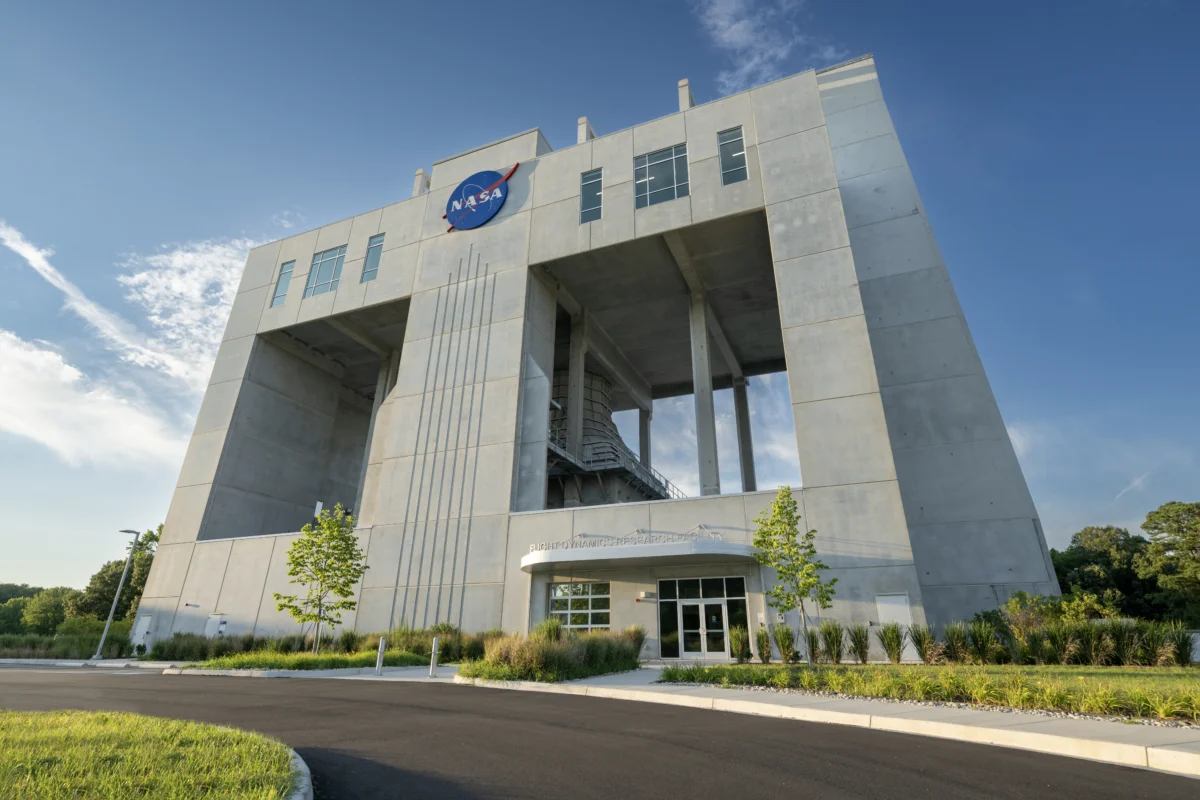
NASA is set to inaugurate its cutting-edge Flight Dynamics Research Facility (FDRF) at the Langley Research Center in Hampton, Virginia, on Friday, July 31st. This momentous occasion marks the debut of NASA’s first entirely new wind tunnel in over four decades, signifying a substantial leap forward in the agency’s capabilities for advancing aeronautics and deep space exploration. The state-of-the-art facility is poised to play a pivotal role in developing technologies crucial for achieving NASA’s ambitious goals, including establishing a sustainable human presence on the lunar surface through the Artemis program and the eventual construction of a Moon Base.
A New Era for Aeronautical and Space Research
The Flight Dynamics Research Facility represents a significant investment in the future of aerospace innovation. Its advanced capabilities will enable researchers to conduct more precise and comprehensive studies of aerodynamic forces and flight dynamics. This is particularly vital as NASA pushes the boundaries of both atmospheric flight and extraterrestrial exploration. The facility’s sophisticated instrumentation and testing environments will allow for the simulation of a wide range of atmospheric conditions and flight regimes, from high-speed atmospheric flight to the unique challenges of operating in the thin lunar atmosphere.
The development of the FDRF is a testament to NASA’s enduring commitment to pioneering research. The agency has a rich history of groundbreaking discoveries and technological advancements that have shaped aviation and spaceflight. The last major wind tunnel construction at Langley was completed in the early 1980s, highlighting the long gestation period and significant undertaking involved in bringing a facility of this magnitude to fruition. The FDRF is designed to meet the evolving needs of aerospace research, incorporating the latest advancements in digital modeling, simulation, and experimental validation techniques.
Unprecedented Capabilities for Lunar Missions and Beyond
The implications of the FDRF extend far beyond terrestrial aviation. Its capabilities will be instrumental in designing and testing vehicles intended for lunar missions. As NASA works towards the Artemis program, which aims to return humans to the Moon and establish a long-term presence, understanding the complex aerodynamic and dynamic behaviors of spacecraft in lunar environments is paramount. The FDRF will allow for the testing of ascent and descent vehicles, lunar landers, and other critical hardware under simulated lunar conditions.
Furthermore, the facility will be essential for the development of a Moon Base. Establishing a sustained human presence on the Moon will require innovative solutions for transportation, construction, and habitat design. The FDRF will provide a crucial testing ground for new technologies and concepts that will enable these ambitious undertakings. This includes researching the effects of lunar dust, which poses a significant challenge to equipment and human health, and developing mitigation strategies.
A Timeline of Innovation
The genesis of the Flight Dynamics Research Facility can be traced back to the strategic planning and foresight within NASA’s aeronautics and space exploration directorates. Recognizing the need for upgraded and expanded testing infrastructure, the agency initiated the conceptualization and design phases years ago. The selection of Langley Research Center as the site for this monumental project was strategic, leveraging its long-standing expertise in aeronautical research and its established infrastructure.
Construction of the FDRF was a complex and multi-year endeavor, involving extensive engineering, procurement of specialized equipment, and rigorous safety protocols. The timeline of such a project is typically measured in years, often spanning a decade or more from initial concept to operational readiness. This includes detailed design, environmental impact studies, groundbreaking, construction, installation of highly sophisticated testing equipment, calibration, and finally, operational testing.
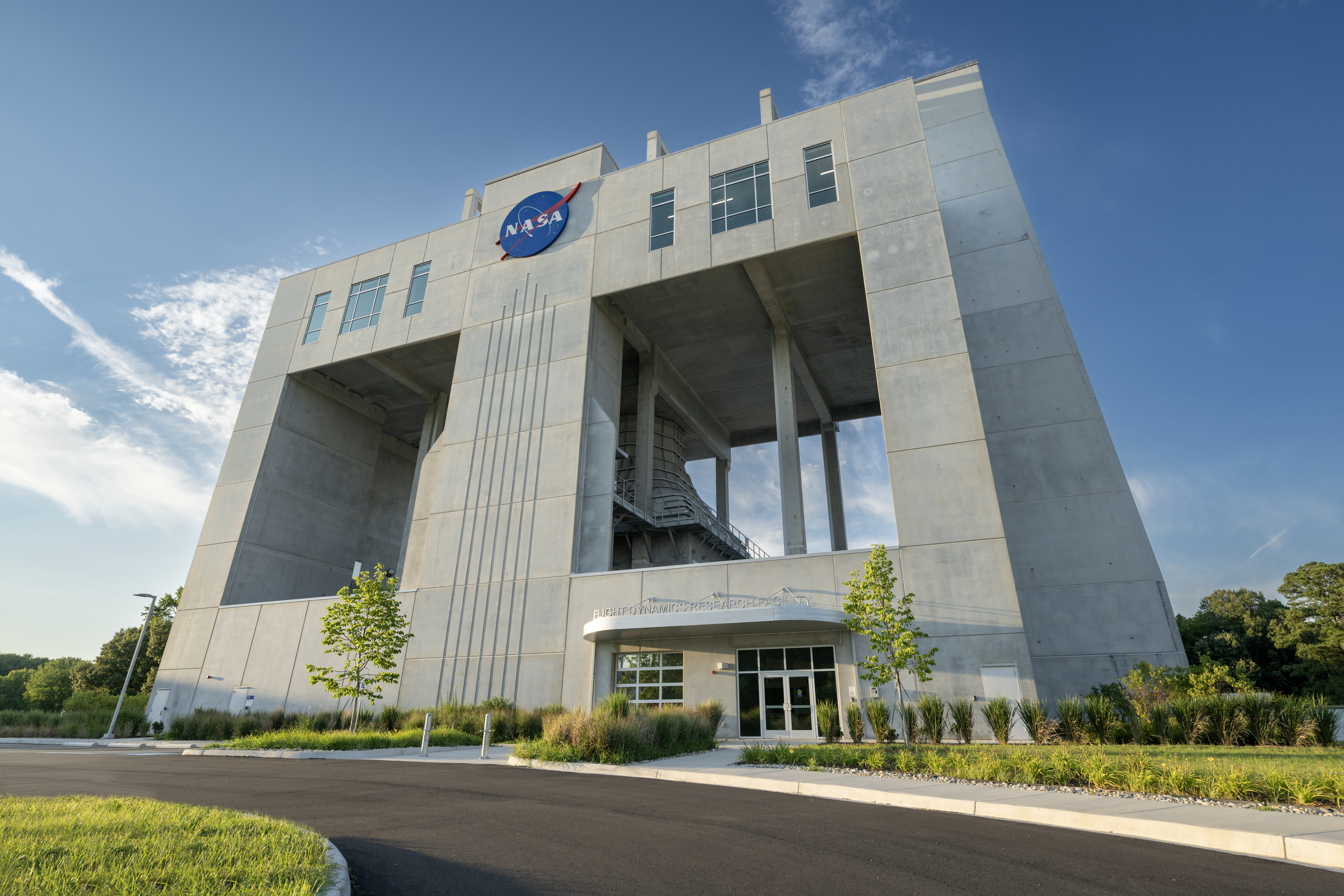
The ribbon-cutting ceremony on July 31st signifies the culmination of this extensive effort and the official entry of the FDRF into NASA’s operational research portfolio. This date, chosen for its strategic timing, allows for media and stakeholders to witness firsthand the realization of this significant technological advancement.
Supporting Data and Technological Advancements
While specific technical specifications of the FDRF are not detailed in the initial announcement, the description of it as a "state-of-the-art facility" implies advanced features. Modern wind tunnels are characterized by:
- Advanced Flow Control: Sophisticated systems to precisely control airflow velocity, turbulence, and temperature, allowing for highly accurate simulations of diverse atmospheric conditions.
- High-Fidelity Measurement Systems: Integration of cutting-edge sensors and data acquisition systems, including particle image velocimetry (PIV), laser doppler velocimetry (LDV), and advanced pressure sensing networks, to capture detailed aerodynamic data.
- Digital Integration: Seamless integration with computational fluid dynamics (CFD) software, enabling researchers to compare experimental results with theoretical models and refine designs more efficiently.
- Scalability and Versatility: The ability to test a wide range of model sizes and configurations, from small-scale components to larger vehicle prototypes, and to adapt to different research objectives.
- Energy Efficiency and Sustainability: Modern facilities often incorporate energy-efficient designs and operational strategies, reflecting a commitment to environmental responsibility.
The investment in such a facility underscores the critical role of empirical testing in aerospace development. While computational simulations have advanced dramatically, physical testing in wind tunnels remains indispensable for validating designs, uncovering unexpected phenomena, and ensuring the safety and reliability of flight vehicles.
Official Statements and Media Engagement
The announcement invites media to attend a special tour and ribbon-cutting ceremony, underscoring the importance NASA places on public awareness and engagement with its scientific endeavors. The event is specifically for members of the media who are United States citizens or lawful permanent residents, requiring prior accreditation and RSVP. This protocol ensures security and efficient logistics for the event.
The RSVP deadline of 5 p.m. EDT on Wednesday, July 29th, provides a clear window for media professionals to confirm their participation. The specified contact persons, Kimiko Booker and Brittny McGraw at NASA Langley, along with Headquarters contacts Camille Gallo and Rob Margetta, serve as the official channels for media inquiries and coordination. The inclusion of direct phone numbers and email addresses facilitates clear and timely communication.
While specific individuals for the media availability were not listed in the initial release, it is customary for such events to feature key personnel involved in the project. This would likely include senior leadership from NASA Langley Research Center, program managers responsible for the FDRF’s development, and principal investigators who will be utilizing the facility for their research. Their presence would offer valuable insights into the facility’s significance and future applications.
Broader Impact and Implications
The opening of the Flight Dynamics Research Facility has far-reaching implications for both the future of aviation and humanity’s expansion into space.
- Advancing Aviation: The FDRF will accelerate the development of more fuel-efficient, quieter, and safer aircraft. This includes research into advanced wing designs, propulsion systems, and novel aircraft configurations such as supersonic and hypersonic vehicles. The facility’s capabilities will be instrumental in overcoming the aerodynamic challenges associated with these next-generation aircraft, potentially leading to faster and more sustainable air travel.
- Enabling Lunar Exploration and Settlement: As previously mentioned, the FDRF is a critical asset for the Artemis program. Its contributions will be vital in ensuring the success of lunar missions, from the initial landings to the establishment of a permanent lunar presence. The research conducted within its walls will inform the design of habitats, surface mobility systems, and resource utilization technologies necessary for long-term lunar habitation.
- Inspiring Future Generations: The unveiling of such a cutting-edge facility serves as a powerful inspiration for the next generation of scientists, engineers, and explorers. It showcases NASA’s commitment to pushing the boundaries of human knowledge and technological capability, encouraging young people to pursue careers in STEM fields.
- Economic and Technological Spin-offs: Investments in advanced research facilities like the FDRF often lead to technological advancements that have broader economic benefits. Innovations developed for aerospace research can find applications in various industries, fostering economic growth and creating new opportunities.
The Flight Dynamics Research Facility at NASA Langley is more than just a new building; it represents a significant step forward in humanity’s quest to understand and navigate the complexities of flight, both on Earth and beyond. Its operational commencement signals a new era of innovation, promising to unlock new frontiers in aeronautics and accelerate our journey towards becoming a multi-planetary species. The insights and technologies fostered within its advanced testing environments will undoubtedly shape the future of aerospace for decades to come.