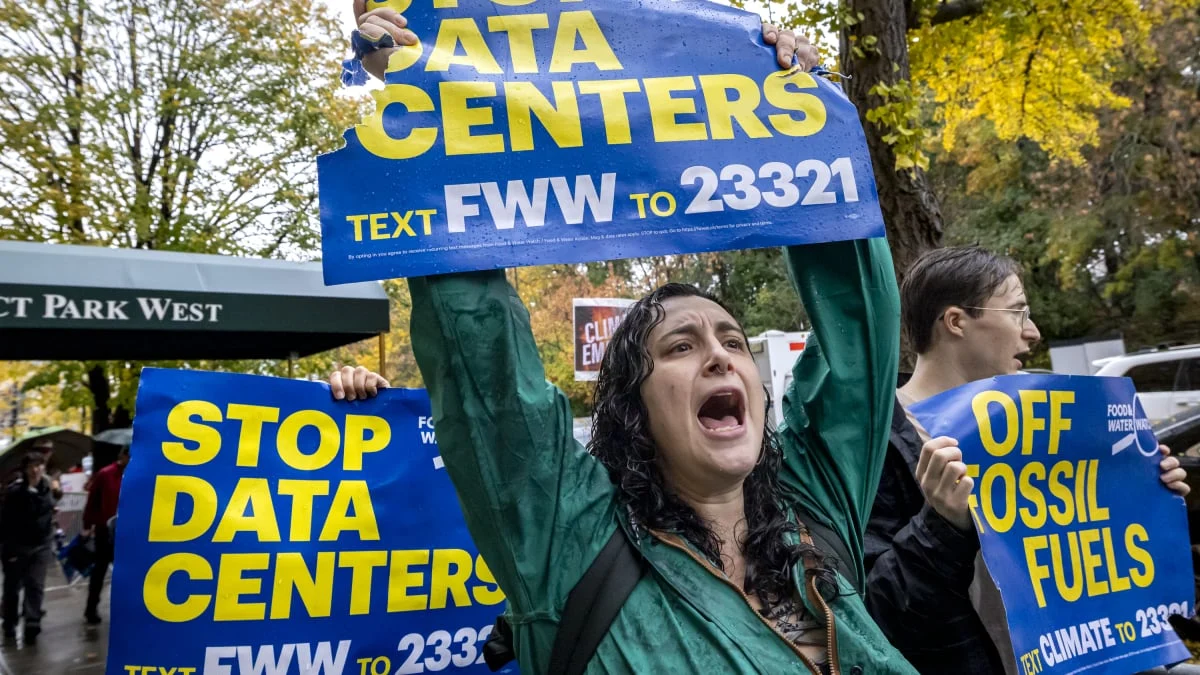
The intersection of artificial intelligence, rapid technological expansion, and local municipal governance faced a unique stress test during the recent midterm elections. While voters across the United States overwhelmingly signaled a strong wave of resistance against the unchecked proliferation of digital infrastructure—approving more than 40 distinct measures to slow, heavily regulate, or outright ban data center growth—one small municipality in North Dakota charted a strikingly different course. In the rural community of Harwood, local voters decisively rejected a ballot measure designed to impose additional bureaucratic hurdles, evaluations, and administrative oversight on massive developments, specifically clearing the path for a colossal $3 billion data center project spearheaded by developer Applied Digital.
This localized vote stands in sharp contrast to the broader national sentiment regarding the environmental, spatial, and infrastructural demands of modern computing facilities. As artificial intelligence models, cloud computing networks, and heavy data storage needs expand exponentially, communities nationwide are increasingly pushing back against the strain these facilities place on local water supplies, electrical grids, and rural landscapes. Harwood’s decision to eschew stricter regulations has positioned the small town at the center of a national conversation concerning how rural America negotiates with big tech investments.
The Microcosm of Harwood: Demographics and the Ballot Measure
Harwood, North Dakota, is a tight-knit community situated just outside the state’s major economic hubs. While population data varies slightly depending on the official demographic tracker utilized—with the Washington Post documenting the town’s population at 845 residents and other regional outlets citing figures closer to 940—the local electorate is undeniably small.
When the town went to the polls on Election Day, out of a total population of under 1,000, exactly 430 residents cast ballots. The specific question before them was not a direct referendum on whether to build or prohibit the data center entirely. Instead, the ballot measure called for the implementation of enhanced administrative steps, rigorous evaluations, and stricter municipal oversight processes specifically tailored for evaluating, approving, and governing large-scale commercial developments such as industrial data centers.
By the time the polls closed and the ballots were tallied, roughly 75 percent of participating voters had cast their ballots against the proposed restrictions. By voting down the added layer of bureaucratic oversight, the community effectively signaled its willingness to welcome major industrial development without throwing up new regulatory roadblocks. This rare alignment with big tech infrastructure development earned Harwood notable media attention, with major national publications labeling it as a unique outlier in an otherwise hostile national landscape for data center developers.
The Catalyst: Applied Digital’s $3 Billion Undertaking
At the heart of Harwood’s political debate is a massive commercial initiative led by Applied Digital, a prominent designer and operator of next-generation digital infrastructure. The proposed facility is an enormous 1.8-million-square-foot data center complex situated immediately outside the town limits, with a staggering estimated capital investment of $3 billion.
For a small rural community, an investment of this magnitude represents a transformative economic event. Proponents of the project within the region have argued that the massive influx of capital, construction jobs, long-term technical employment opportunities, and subsequent tax revenues could fundamentally strengthen local public services, schools, and infrastructure. In regions where traditional agricultural economies face shifting market pressures, the promise of a multi-billion-dollar digital facility offers a compelling financial incentive that transcends typical rural caution.
However, projects of this scale inherently carry significant concerns. Modern data centers require immense amounts of electrical power to run thousands of servers continuously, alongside substantial cooling resources, which can strain local water tables and utility grids. While urban and suburban communities across the United States have mobilized against these resource demands, Harwood’s electorate appears to have weighed the economic upside more heavily than the prospective municipal complications, choosing a path of minimal regulatory friction.
The National Picture: A Wave of Midterm Resistance
Harwood’s defiant "yes" to untethered development exists as a solitary anomaly against a massive backdrop of political and environmental pushback. Across the United States on Election Day, voters authorized more than 40 different measures aimed at putting the brakes on the explosive growth of data centers.
This widespread resistance reflects mounting anxieties surrounding the energy consumption and environmental footprint of the artificial intelligence boom. Throughout 2026, public apprehension intensified as residents near proposed tech hubs raised alarms over rising electricity bills, strained power grids, noise pollution from industrial cooling fans, and the opaque nature of massive corporate developments moving into quiet neighborhoods.
Political analysts and industry observers have characterized this election cycle as a clear turning point—a tangible manifestation of a broader societal reckoning with the physical realities of the digital age. State legislatures and municipal governments have increasingly found themselves caught between the lucrative tax bases offered by tech conglomerates and the vocal discontent of constituents who feel their quality of life is being compromised. Consequently, a growing number of U.S. states are actively weighing or enacting sweeping bans and moratoriums on new data center constructions, a legislative trend expected to accelerate significantly heading into the subsequent year.
Chronology of the Conflict: From Tech Expansion to the Ballot Box
The friction between local communities and digital infrastructure developers did not materialize overnight. To understand Harwood’s vote and the nationwide backlash, it is necessary to examine the timeline of events that brought the issue to a head.
The rapid scaling of generative artificial intelligence in the mid-2020s created an unprecedented demand for high-density computing power. Tech giants and specialized developers like Applied Digital scrambled to secure land, power purchase agreements, and municipal approvals for millions of square feet of new server farms.
As these multi-million and multi-billion-dollar proposals began appearing in smaller towns and suburban fringes—places with affordable land and access to transmission lines—local opposition began to organize. By mid-2026, grassroots citizen groups had successfully lobbied local governments for moratoriums, forcing the issue onto regional and state ballots for the midterm elections.
In Harwood, the debate over the Applied Digital project unfolded over many months, culminating in the November ballot measure. While other towns utilized the electoral process to enact strict protective measures or outright bans, Harwood’s voters resisted the impulse to erect additional regulatory walls, setting the stage for the town’s unique classification as a lone holdout in the national anti-data center movement.
Broader Implications for the Future of Digital Infrastructure
The stark dichotomy between Harwood’s local election results and the nationwide wave of data center bans highlights a complex dilemma for the future of American technology and infrastructure development.
On one hand, the United States is locked in a fierce global competition to maintain technological supremacy, particularly in artificial intelligence, cloud computing, and advanced data analytics. These technologies require vast physical footprints; without adequate data center capacity, the advancement and deployment of critical digital tools could face severe bottlenecks.
On the other hand, the democratic resistance witnessed at the ballot box demonstrates that local communities are no longer willing to accept industrial-scale development without rigorous scrutiny and public consent. The backlash forces developers, utility companies, and policymakers to reconsider how projects are proposed, sited, and integrated into local ecosystems. Transparency, community engagement, and proactive management of environmental and energy impacts have transitioned from optional public relations exercises to mandatory prerequisites for successful project execution.
For Harwood, North Dakota, the immediate future will involve navigating the practical realities of hosting a $3 billion facility within its sphere of influence. Whether the town’s gamble on economic prosperity without extra bureaucratic red tape pays dividends or brings unforeseen municipal challenges will be closely monitored by urban planners, tech developers, and sociologists alike. Meanwhile, the rest of the nation continues to grapple with the uncomfortable friction between the invisible cloud of digital data and the very tangible earth it requires to survive.