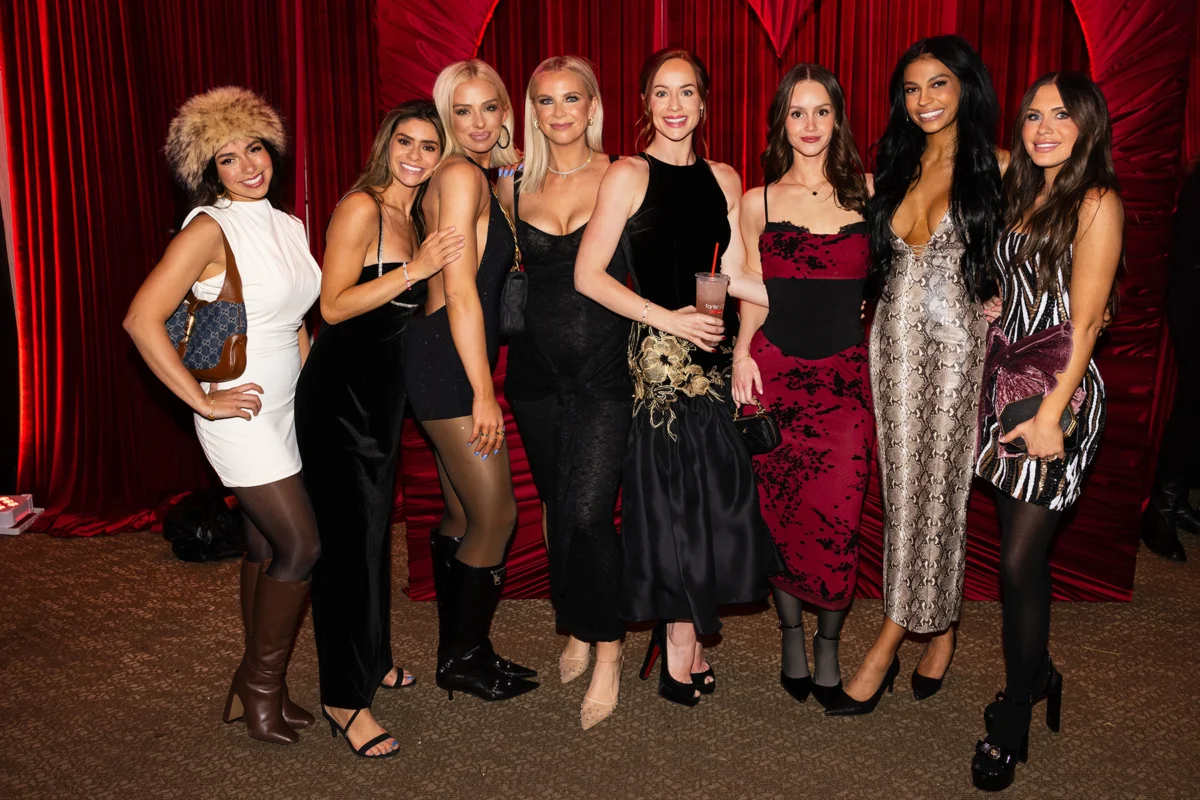
The viral phenomenon known as #MomTok is returning to television screens with higher stakes, tighter social circles, and the same trademark interpersonal friction that turned an online content creator collective into a mainstream streaming juggernaut. As The Secret Lives of Mormon Wives prepares to launch its fifth season on Hulu, fans are eagerly looking for ways to follow the lives of Taylor Frankie Paul, Whitney Leavitt, Jen Affleck, and the rest of the ensemble without incurring additional subscription costs. The reality series, which has generated hundreds of millions of viewing minutes since its inception, has cemented itself as a cornerstone of modern reality television programming, blending the unique cultural backdrop of suburban Utah with the high-octane drama typical of contemporary docuseries.
Main Facts and Streaming Details
Season Five of The Secret Lives of Mormon Wives is officially scheduled to premiere on Thursday, September 10, at 3:00 a.m. ET, exclusively on Hulu. Produced by Jeff Jenkins, the upcoming installment promises a departure from previous seasons by thrusting its cast members into new professional and personal arenas far beyond the borders of Utah.
However, prospective viewers hoping to catch the premiere at no cost face a specific logistical hurdle. Because The Secret Lives of Mormon Wives is categorized as a Hulu Original, standard entry-level promotional trials for the baseline Hulu streaming library do not automatically grant immediate access to newly dropped original content without a paid monthly commitment. Consequently, the primary loophole for accessing the season without an immediate financial outlay involves utilizing promotional trial periods offered through bundled services, most notably the Hulu + Live TV tier.
Industry analysts point out that streaming platforms have increasingly restricted standalone free trials for standard tiers to combat churn rates, pushing consumers toward live television bundles that carry higher retention incentives. For viewers determined to watch the entire five-episode drop on premiere day without paying, utilizing a three-day free trial of Hulu + Live TV remains the most viable legal pathway. The service, which ranges in price up to $89.99 per month for its premier packages, includes access to the core Hulu library, Disney+, and select sports programming, though users must remember to cancel their subscription before the trial period expires to avoid standard billing charges.
Background Context and the Origins of #MomTok
To understand the cultural footprint of The Secret Lives of Mormon Wives, one must examine the unexpected collision of conservative religious culture and hyper-monetized social media algorithms. The phenomenon began on TikTok, where a collective of young, photogenic, and predominantly Mormon mothers amassed millions of followers by sharing content centered on motherhood, fashion, dance trends, and domestic life within the Latter-day Saint community.
This seemingly wholesome digital veneer was shattered in dramatic fashion when central figure Taylor Frankie Paul posted a tearful livestream admitting to a consensual swinging arrangement among several couples within the group. The scandal instantly went viral, dominating discourse across TikTok, X (formerly Twitter), and gossip forums. The intense public fascination surrounding the fallout transformed the loose affiliation of influencers into a cohesive ensemble primed for traditional television production.
When Hulu greenlit the project, network executives recognized an untapped demographic: viewers hungry for unscripted drama rooted in the specific cultural pressures of high-demand religions, perfectionism culture, and the cutthroat world of digital content creation. The series quickly outperformed internal metrics, racking up an astounding 650 million minutes streamed during its fourth season alone. This performance validated the platform’s investment in creator-led reality television, proving that digital clout could successfully translate into traditional television ratings.
Chronology of Season Five and Production Hurdles
The road to Season Five has been notably turbulent, marked by significant off-screen developments that directly impacted production schedules and narrative arcs. In March, principal photography for the upcoming season was abruptly halted following an arrest involving Taylor Frankie Paul related to domestic assault allegations. The sudden pause sent shockwaves through the production team and cast, raising immediate questions regarding the future of the franchise and whether its breakout star would be permitted to return.
Legal proceedings and subsequent internal reviews led to a restructuring of the season’s narrative. According to official production disclosures, Frankie Paul will appear in Season Five, though her participation has been restricted to a "limited capacity." This editorial decision required producers to pivot, shifting narrative focus toward other core cast members.
The chronological timeline of the upcoming season captures these shifts in real-time. The episodes will document Taylor Frankie Paul’s high-profile return to the public eye following her stint on ABC’s The Bachelorette, showcasing her attempts to rehabilitate her public image and navigate the complex social hierarchy of the group. Concurrently, the season follows Whitney Leavitt as she embarks on a theatrical debut on Broadway in New York City, marking a significant geographic and professional departure from the suburban confines of Utah.
The cast rounding out the ensemble for Season Five includes Jen Affleck, Jessi Draper, Layla Taylor, Mayci Neeley, Mikayla Matthews, and Miranda Hope. All five episodes of the new season are slated for a simultaneous drop on September 10, adopting the binge-release model that has historically favored high social media engagement and immediate online discussion threads.
Cast Dynamics and Official Responses
The interpersonal dynamics within the ensemble have historically been characterized by rapid alliances, public fallout, and social media feuds that blur the line between scripted drama and genuine animosity. Network representatives and cast members have maintained a tight-lipped approach regarding specific plot points for Season Five, though promotional materials suggest that the tension between Leavitt and Frankie Paul will serve as a primary narrative engine.
Public relations teams managing the rollout have emphasized personal growth and career diversification among the cast members. By expanding their professional pursuits outside of Utah—such as theatrical ventures in Manhattan and national television appearances—the creators of the show are attempting to reframe the narrative from localized digital gossip to a broader study of female ambition and the psychological toll of micro-celebrity culture.
However, the inclusion of cast members with active legal controversies has drawn scrutiny from media watchdogs and cultural commentators. Critics argue that reality television frequently capitalizes on personal distress and legal precarity for entertainment value, raising ethical questions about the responsibilities of production companies toward their subjects. Conversely, defenders of the genre argue that The Secret Lives of Mormon Wives provides a transparent, albeit heightened, look at the realities of modern influencer culture, where personal life and commercial product are inextricably linked.
Broader Impact and Industry Implications
The trajectory of The Secret Lives of Mormon Wives offers significant insight into the shifting economics of the streaming era. As traditional cable subscriptions continue to decline, streaming services are under intense pressure to produce proprietary content that drives immediate subscriber acquisition and suppresses churn. Creator-led reality television has emerged as an exceptionally cost-effective genre for achieving these metrics.
Unlike scripted dramas that require extensive writing staffs, lengthy production windows, and costly post-production visual effects, unscripted docuseries can be produced rapidly and at a fraction of the cost. Furthermore, the inherent built-in audiences of digital creators provide an immediate marketing advantage. When a cast member posts a promotional teaser to millions of dedicated TikTok followers, the marginal cost of customer acquisition drops precipitously compared to traditional billboard or television advertising campaigns.
Moreover, the series highlights the globalization of niche subcultures. By taking the specific cultural markers of Utah’s religious community and packaging them into universally understood tropes of friendship, betrayal, and ambition, Hulu has created a cross-demographic appeal that resonates far beyond the American Southwest.
As viewers prepare to tune in for the September 10 premiere, the broader implications of the #MomTok phenomenon will continue to be debated by cultural analysts. Whether the series can maintain its viewership momentum while navigating the legal and personal controversies of its primary subjects remains to be seen. What is certain, however, is that the appetite for unvarnished, high-drama reality television shows no sign of abating, ensuring that the women of #MomTok will remain fixtures of the digital and television landscapes for the foreseeable future.