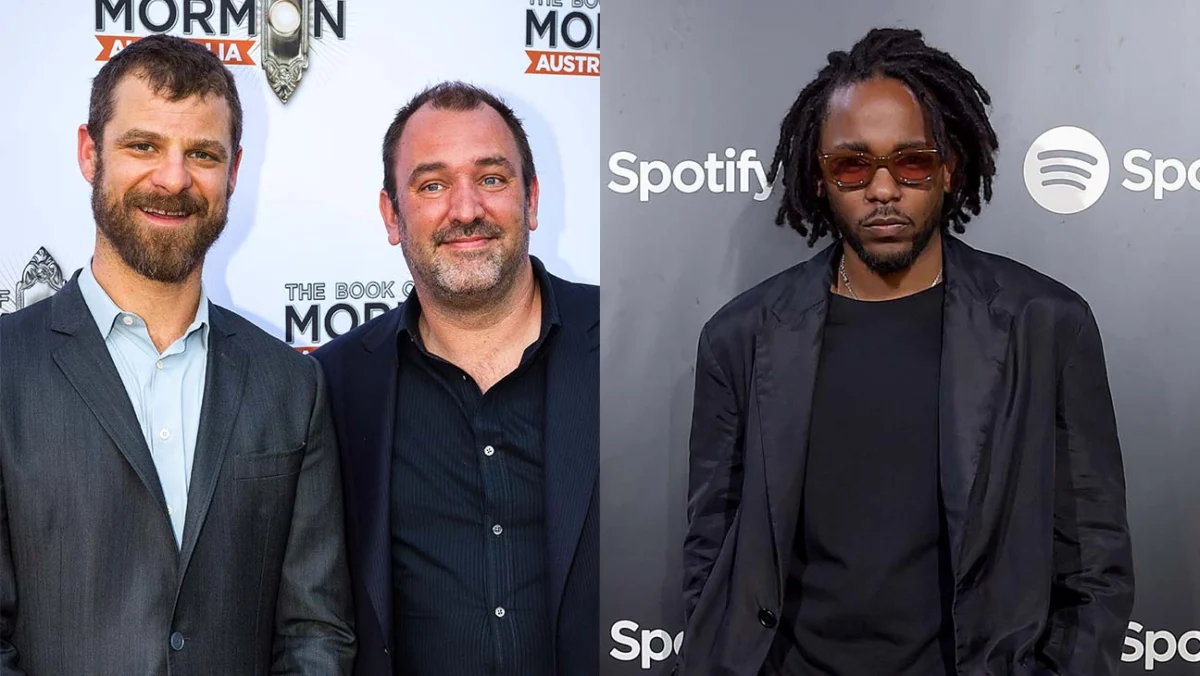
The highly anticipated collaborative film project uniting the creative forces of South Park creators Trey Parker and Matt Stone with Pulitzer Prize-winning hip-hop icon Kendrick Lamar and his creative partner Dave Free continues to navigate a turbulent development cycle. Originally intended to be a flagship title for Paramount Pictures, the live-action musical comedy—currently operating under the working title Whitney Springs—has been stripped of its place on the studio’s release calendar. The ongoing delays, attributed to the complex intersection of scheduling conflicts, creative commitments, and the sheer logistical weight of such a high-profile production, have left industry observers and fans questioning when, or if, the film will reach the silver screen.
A Timeline of Production Shifts
The development of Whitney Springs has been marked by repeated adjustments to its projected theatrical bow. The project was initially positioned as a major tentpole, generating significant buzz upon its announcement due to the unconventional pairing of the South Park duo and the pgLang creative collective.
The first notable shift in the film’s trajectory occurred when the initial target date of July 4, 2025, was abandoned. At the time, the delay was framed as a necessity to accommodate the sprawling touring schedule of Kendrick Lamar and the ongoing production requirements of the South Park franchise, which continues to maintain a rigorous episodic schedule under Comedy Central.
Following the removal of the 2025 date, Paramount briefly eyed a March 20, 2026, release. However, as of late 2024, the studio pulled the film from its calendar entirely, leaving it in a state of "undated" limbo. This move coincided with significant leadership shifts at Paramount, including the departure of former film chief Brian Robbins, who had previously championed the project at CinemaCon, describing it as possessing one of the most unique and humorous scripts to ever cross his desk. The transition toward a new corporate structure under David Ellison following the merger between Paramount and Skydance has further complicated the internal landscape for mid-to-high-budget creative endeavors that are not part of established blockbuster franchises.
The Creative Vision Behind Whitney Springs
While the project remains shrouded in secrecy, reports regarding the narrative core of the film suggest a provocative, high-concept musical. According to documentation circulating within industry circles, the plot centers on a Black reenactor working at a historical slave plantation museum. The central conflict arises from an ideological and social clash with the mayor of a local Midwestern town—a role slated to be played by Trey Parker.
The integration of music is expected to be a primary pillar of the film’s appeal. Sources indicate that the movie will feature original, unreleased compositions by Kendrick Lamar. Given Lamar’s reputation for dense, socially conscious storytelling and Parker and Stone’s history of blending biting satire with musical theater—most notably in The Book of Mormon and Team America: World Police—the collaboration represents a fusion of two distinct, yet complementary, styles of social commentary. The script, penned by longtime South Park producer Vernon Chatman, is reported to lean heavily into the satirical, often uncomfortable, territory that has defined the careers of all involved parties.
Official Statements and Accountability
In a recent report published by The Ankler, Parker and Stone addressed the mounting speculation regarding the film’s status with a degree of transparency rarely seen in Hollywood development cycles. Recognizing the frustration among fans and studio stakeholders, the pair issued a formal statement accepting responsibility for the stagnant progress.
"We take full responsibility for the schedule delay of this movie," the creators stated. "We apologize to our partners at pgLang and Paramount, and we appreciate their patience. South Park and life’s circumstances have gotten in the way, but we still believe in the project."
This acknowledgment underscores the difficulty of balancing the creative demands of a long-running, culturally omnipresent television show like South Park—which recently secured its sixth Emmy Award for Best Animated Series—with the time-intensive development of a feature film. With the 29th season of South Park scheduled to premiere on September 16, the creators are currently operating under a heavy workload that leaves little margin for the intensive demands of film production.
Contextualizing the Collaboration
To understand the significance of this delay, one must look at the individual trajectories of the collaborators. Trey Parker and Matt Stone have effectively built an empire on the back of their ability to iterate quickly and react to cultural shifts in real-time. Their work, ranging from the crude animation of their early television days to the polished, Tony-winning sophistication of their Broadway ventures, is characterized by a "do-it-yourself" ethos that sometimes clashes with the rigid timelines of a major motion picture studio.
Conversely, Kendrick Lamar and Dave Free, through their pgLang banner, have cultivated an aura of extreme exclusivity and deliberate, slow-burn creative output. Lamar, known for long hiatuses between albums, prioritizes perfection and thematic depth over rapid release cycles. The marriage of these two working philosophies—the rapid-fire satire of Parker and Stone and the meticulous, high-fidelity artistry of Lamar—is inherently fraught with potential for delay. When these creative worlds collide with the corporate bureaucracy of a studio undergoing a massive merger, the result is the current state of production paralysis.
The Impact of Studio Consolidation
The broader context of this delay cannot be separated from the current state of the film industry. Paramount Pictures has been in a period of intense transition. The merger with Skydance, while intended to stabilize the studio’s financial future, has resulted in a pivot toward a more conservative approach to production and development.
Under the previous regime, the "Whitney Springs" project was a bold creative gamble that aligned with a strategy of betting on auteur-driven projects. Under the current leadership, there is increased scrutiny on budgets and "return on investment" timelines. For a film that deals with sensitive subject matter—such as the complexities of American history, race relations, and institutional memory—the marketing and distribution path is already fraught with difficulty. The studio must balance the potential for a culturally significant, critically acclaimed hit with the risk of controversy that could alienate broader demographics.
Industry Implications and Future Outlook
The delay of Whitney Springs serves as a case study in the challenges of modern "prestige" filmmaking. As the industry moves further away from the mid-budget drama or comedy, the projects that survive are often those that fit into neatly defined genre boxes. A film that is simultaneously a musical, a satire, and a social critique is, by definition, difficult to slot into a standard release window.
If the film eventually hits theaters, its success will likely depend on the strength of the synergy between its creators. If the project is abandoned, it will stand as a cautionary tale about the dangers of high-concept development in an era of corporate consolidation. For now, the public remains in a state of waiting. While Parker and Stone have reaffirmed their commitment to the project, the lack of a concrete timeline suggests that the film is currently in a "soft" development phase, awaiting a convergence of availability, studio support, and creative alignment.
For the loyal fanbase of South Park and the dedicated listeners of Kendrick Lamar, the wait remains a test of patience. The history of cinema is littered with "lost" or delayed projects that eventually became cult classics upon release; whether Whitney Springs joins that list or becomes a footnote in the history of Paramount’s transition remains to be seen. As the industry watches and waits, the creative team continues to work toward a finished product that they hope will justify the years of speculation and shifting dates. With the project still in the works and no official cancellation on the horizon, the possibility of a unique, genre-bending cinematic event remains, provided the logistical stars finally align.