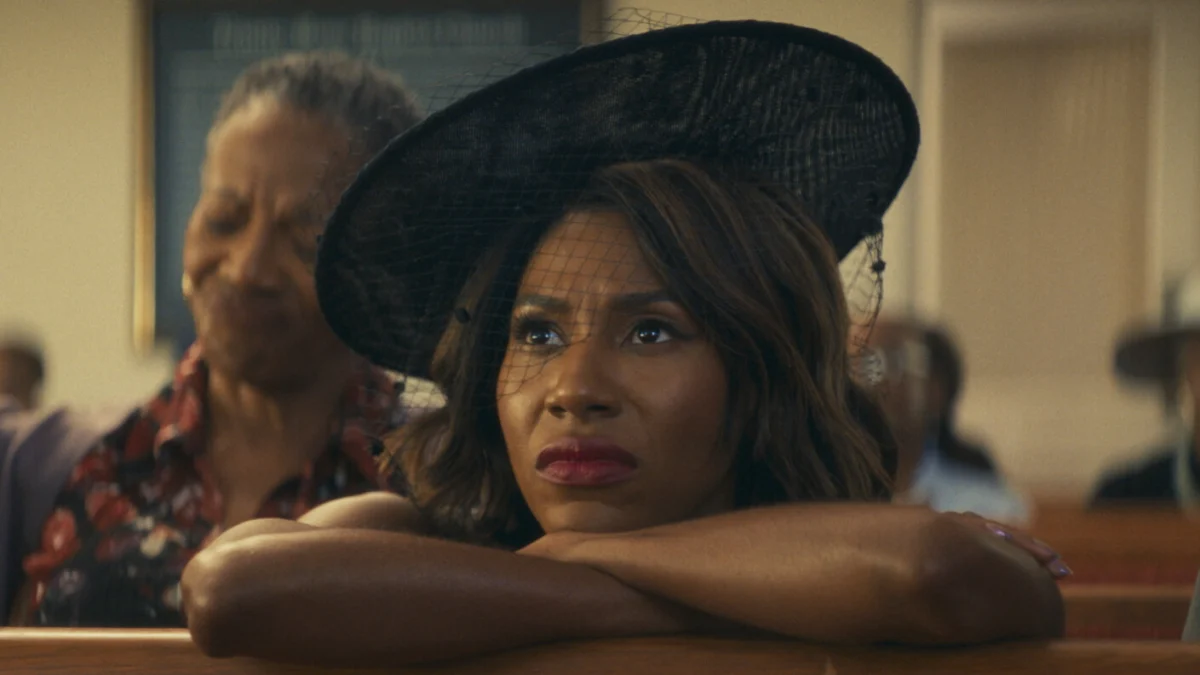
Navigating the contemporary television landscape as a Black creator has become an exercise in high-stakes survival. Amid widespread industry consolidation, shifting corporate mergers—such as the precarious balance hanging over the Paramount-Warner Bros. negotiations—and an increasingly hostile political climate toward diversity and inclusion initiatives, television networks and streaming platforms have drastically pulled back on greenlighting original Black-led content. Acclaimed series like Natasha Rothwell’s comedy How to Die Alone on Hulu, Issa Rae’s Rap Sh*t on Max, and the NBC drama Found have all faced cancellation. Yet, defying these grim industry odds, Paramount+’s unique genre-blending series Diarra From Detroit has managed to break through the noise, delivering a critically praised second season that cements its place as a rare survivor in a contracting market.
The journey of Diarra From Detroit from its initial conception to its current streaming home has been defined by corporate restructuring and systemic delays. The series first premiered in 2024 on BET+ to widespread critical acclaim, establishing a fresh narrative voice that merged mystery, drama, romance, and distinct regional flavor. However, the path to Season 2 was fraught with interruptions. Following a two-year hiatus, the show returned this past July, migrating over to Paramount+ after BET+ was shuttered in the spring and its programming library was absorbed into the broader Paramount platform. This corporate shuffle, paired with tighter financial constraints, forced production to shift from Detroit proper to Atlanta, leading to budget cuts, staff reductions, and a prolonged waiting period while leadership transitions stabilized within the conglomerate.

Created by, starring, and executive produced by Diarra Kilpatrick, the series centers on an eponymous protagonist trying to navigate the complexities of life, love, and professional ambition during a sweltering Detroit summer. Season 2 picks up with Diarra attempting to solidify her romance with Chris, played by Shannon Wallace, who continues to deal with the psychological fallout of his past trauma. Finding herself without a traditional summer school assignment, Diarra officially launches her private investigation business. What begins as a seemingly straightforward task—locating an armoire belonging to Chris’s uncle, which amusingly turns out to be a desk—quickly spirals into a dangerous plunge into the Detroit underworld. Alongside Chris and her close friends Tea, played by Bryan Terell Clark, and Aja, played by Dominique Perry, Diarra navigates treasure hunts, evades ruthless gangsters, and attempts to resolve her own mounting personal chaos.
Reflecting on the artistic philosophy behind the show, Kilpatrick has been vocal about the necessity of upholding high production values and narrative respect for audiences of color. In an interview discussing the season’s conclusion, Kilpatrick emphasized her commitment to complex, multi-dimensional storytelling that avoids low-budget tropes. Pointing to the stark contrast between her indie-spirited production and multi-million-dollar studio tentpoles, Kilpatrick noted the dwindling space for niche, creator-driven storytelling within major media conglomerates, positioning her show as one of the last standing series of its kind.
The thematic scope of Season 2 expands far beyond standard mystery-thriller conventions, weaving historical threads through the narrative that explore Prohibition-era bootlegging, the Underground Railroad, and the rich cultural history of quilting within the Black community and the Black church. Kilpatrick draws inspiration from classic adventure formats like National Treasure and Indiana Jones, noting a conscious effort to inject Black women into a genre where they have historically been relegated to superficial, background roles. By grounding the fiction in well-researched historical facts, the series offers both educational value and genre legitimacy.

Despite the financial pressures and operational hurdles, the production attracted an impressive roster of guest stars eager to support the project. Heavyweights such as Method Man, Bokeem Woodbine, Lil Rel Howery, Amber Riley, Phylicia Rashad, Morris Chestnut, Nicco Annan, and Lovie Simone made appearances throughout the season. Kilpatrick noted that the collaborative spirit of Black Hollywood played a vital role in bringing these talent acquisitions to fruition, often operating under independent film conditions where actors had to move quickly and hit their marks with precision.
The emotional core of the series is heavily tested in the Season 2 finale, titled A Cold Ass Wedding, which sees a dramatic fracture in the long-standing friendship between Diarra and Aja. While Aja has traditionally served as the grounded voice of reason against Diarra’s reckless impulsivity, the pressures of their chaotic environment force both characters to confront long-simmering tensions. Kilpatrick deliberately chose to explore the complexities of platonic conflict, an area often overshadowed by romantic subplots in television, providing actors like Dominique Perry an opportunity to showcase their dramatic range.
Transitioning to Paramount+ has granted the series access to a significantly larger subscriber base than it enjoyed on BET+, presenting both a major promotional opportunity and new logistical challenges. While the wider platform exposes the series to a broader demographic, algorithm differences and shifting promotional strategies mean that audience discovery takes time. Nevertheless, fan engagement has remained robust, particularly across social media channels where viewers actively debate character dynamics, plot twists, and Diarra’s romantic triangle involving Chris, Royce, and Danger.

Looking ahead to a potential Season 3, Kilpatrick has already begun conceptualizing new mysteries and developmental arcs for the protagonist. While external investigations will continue to drive the plot, the overarching narrative will likely lean further into Diarra’s internal blind spots and her tendency to use distraction as a defense mechanism against emotional vulnerability—a coping mechanism that Kilpatrick believes modern audiences will find deeply relatable. As the entertainment industry continues to evaluate the financial viability of diverse storytelling, Diarra From Detroit stands as a testament to resilience, creative integrity, and the enduring demand for nuanced, Black-led narratives in prime-time television.