
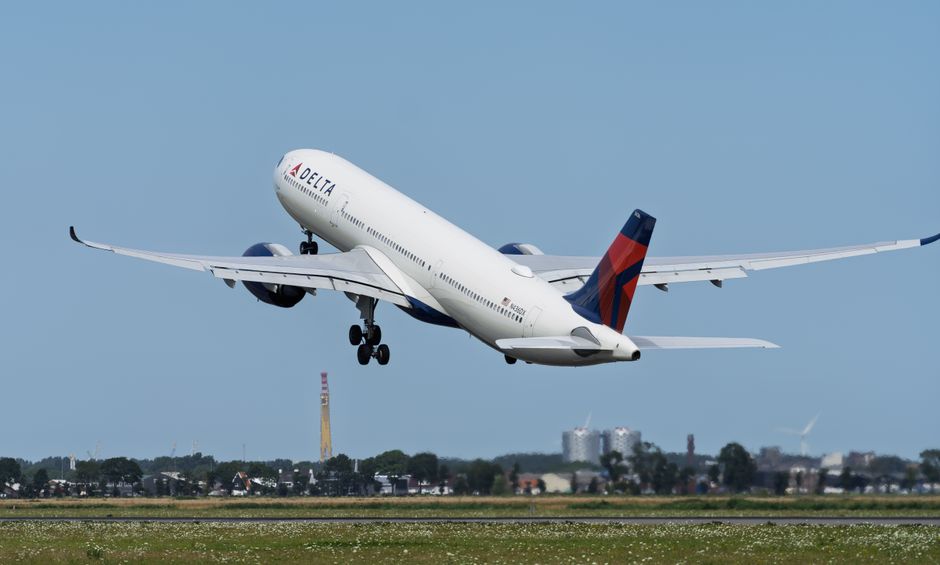
Delta Air Lines: A Comprehensive Analysis of a Global Aviation Giant
Delta Air Lines, Inc. (NYSE: DAL) stands as a titan in the global aviation industry, consistently ranking among the world’s largest airlines by passenger traffic, revenue, and fleet size. Its extensive network, commitment to customer service, and strategic partnerships have cemented its position as a leading carrier. This article delves into the multifaceted aspects of Delta Air Lines, exploring its operational scope, financial performance, strategic initiatives, technological advancements, and its impact on the broader travel landscape. Understanding Delta requires an examination of its historical trajectory, its present-day capabilities, and its forward-looking vision in an ever-evolving market.
Delta’s operational footprint is characterized by its vast route network, connecting passengers to over 300 destinations across more than 50 countries on six continents. This global reach is facilitated by a modern fleet comprising over 900 mainline aircraft, including a diverse range of Boeing and Airbus models, as well as a significant number of regional jets operated by its Delta Connection carriers. The airline’s hub-and-spoke system, strategically positioned in major metropolitan areas such as Atlanta, Detroit, Los Angeles, Minneapolis-St. Paul, New York-JFK, New York-LaGuardia, Salt Lake City, and Seattle, enables efficient connectivity and passenger flow. Atlanta Hartsfield-Jackson International Airport (ATL) serves as Delta’s largest and busiest hub, acting as a critical gateway for domestic and international travel. The airline’s operational prowess is underscored by its consistent performance in punctuality and completion factor, key metrics that resonate with travelers seeking reliability.
Financially, Delta Air Lines has demonstrated resilience and a commitment to shareholder value. The company’s revenue generation is primarily driven by passenger ticket sales, but ancillary revenues from baggage fees, seat upgrades, and onboard sales also contribute significantly. In recent years, Delta has focused on improving its profitability through cost management initiatives, optimizing its network, and fostering strategic alliances. The airline’s loyalty program, SkyMiles, plays a pivotal role in customer retention and revenue generation, with millions of active members who contribute substantially through mileage accrual and redemption. Understanding Delta’s financial health involves analyzing its revenue trends, operating expenses, profit margins, and its ability to navigate the inherent cyclicality of the airline industry, which is susceptible to economic downturns, fuel price volatility, and geopolitical events.
Strategic partnerships and alliances are cornerstones of Delta’s global strategy. The airline is a founding member of the SkyTeam Airline Alliance, one of the three major global airline alliances. SkyTeam provides its members with an extended network, enhanced customer benefits, and shared operational efficiencies. Beyond SkyTeam, Delta has cultivated significant joint ventures and codeshare agreements with other airlines, including Aeromexico, Air France, KLM, Korean Air, and Virgin Atlantic. These partnerships allow Delta to offer a more comprehensive travel experience to its customers, extending its reach into markets where it may not have a direct presence and leveraging the strengths of its partners to provide seamless travel. The pursuit of these strategic relationships is a critical element in maintaining Delta’s competitive edge in a globalized aviation market.
In terms of customer experience and service, Delta has consistently invested in enhancing its offerings across all classes of service. From its Economy class to the premium offerings of Delta One, the airline strives to provide a comfortable and convenient travel experience. This includes investments in in-flight entertainment systems, Wi-Fi connectivity, improved seating configurations, and elevated culinary options. The Delta Sky Club network, a collection of airport lounges, provides a premium environment for eligible travelers, offering amenities such as complimentary food and beverages, Wi-Fi, and business services. The airline’s focus on operational reliability also contributes to a positive customer experience, as timely departures and arrivals are highly valued by passengers.
Technological innovation is a key driver of Delta’s operational efficiency and customer engagement. The airline has been a pioneer in adopting new technologies to streamline operations, improve passenger journey, and enhance revenue generation. This includes investments in data analytics for network planning and customer segmentation, mobile applications for booking and check-in, and biometric technology for faster boarding and bag drop processes. Delta has also embraced digital transformation in its maintenance and operational control centers, utilizing predictive analytics to minimize disruptions and optimize aircraft utilization. The ongoing integration of artificial intelligence and machine learning is poised to further refine these processes and create more personalized customer interactions.
Sustainability is an increasingly critical aspect of Delta’s corporate strategy. The airline industry faces significant scrutiny regarding its environmental impact, and Delta has made substantial commitments to reducing its carbon footprint. This includes investments in more fuel-efficient aircraft, the development of sustainable aviation fuel (SAF), and initiatives to reduce waste and improve operational efficiency. Delta’s pledge to achieve net-zero carbon emissions by 2050 underscores its dedication to environmental responsibility. The company’s sustainability efforts extend beyond environmental concerns to encompass social responsibility and ethical governance, reflecting a broader commitment to corporate citizenship.
Delta’s competitive landscape is dynamic and intense, characterized by competition from legacy carriers, low-cost carriers, and increasingly, ultra-low-cost carriers. The airline navigates this environment through a multi-pronged strategy that includes differentiating its service offerings, optimizing its network to serve profitable routes, and leveraging its strong brand loyalty. The ongoing consolidation within the airline industry has also shaped the competitive arena, with fewer, larger players dominating many markets. Delta’s ability to adapt to evolving market conditions, respond to competitive pressures, and anticipate future trends is paramount to its continued success.
Human capital is an integral component of Delta’s success. The airline employs tens of thousands of individuals across various roles, including pilots, flight attendants, mechanics, customer service agents, and administrative staff. Delta’s commitment to its employees is often cited as a key factor in its operational excellence and customer service. Investment in employee training, development, and well-being is crucial for maintaining a motivated and skilled workforce that can deliver on the airline’s service promises. The relationship between management and its workforce, including labor unions, is a significant factor in its operational stability and employee satisfaction.
The future of Delta Air Lines will undoubtedly be shaped by a confluence of factors, including technological advancements, evolving passenger expectations, and the global imperative for sustainability. The airline is actively exploring emerging trends such as advanced air mobility, the integration of autonomous systems, and the further personalization of the customer journey. Continued investment in SAF and other decarbonization technologies will be critical for achieving its sustainability goals. Furthermore, Delta’s ability to adapt its network and service offerings to shifting global economic and geopolitical landscapes will determine its long-term prosperity. The pursuit of operational excellence, a customer-centric approach, and a strategic vision for the future position Delta Air Lines to remain a dominant force in the global aviation sector for years to come.
