
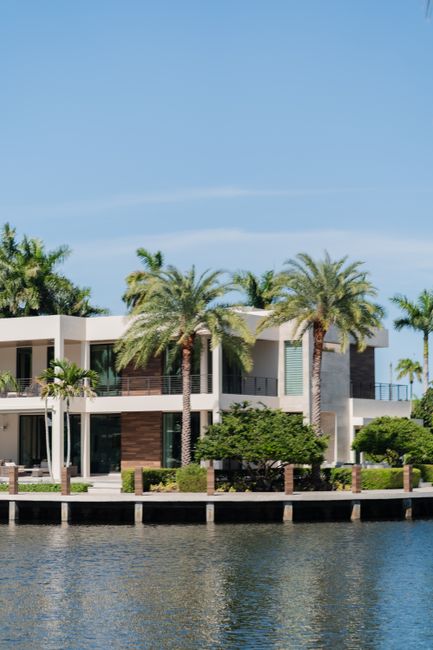
Unlocking the Zenith: A Comprehensive Guide to Luxury Real Estate Investment and Lifestyle
Luxury real estate transcends mere bricks and mortar; it represents a confluence of unparalleled craftsmanship, exclusive locations, bespoke amenities, and aspirational living. For discerning investors and individuals seeking the pinnacle of residential desirability, understanding the multifaceted landscape of the luxury property market is paramount. This segment of the real estate spectrum is characterized by its inherent scarcity, superior quality, and substantial investment potential, appealing to a global clientele with sophisticated tastes and considerable financial acumen. The core components of luxury real estate are universally recognized: prime geographical positioning, architectural distinction, high-end finishes and fixtures, expansive living spaces, advanced smart home technology, and a suite of exclusive amenities, often including private recreational facilities, concierge services, and robust security systems. These properties are not merely residences; they are curated experiences, designed to cater to an elevated lifestyle and to serve as enduring assets.
The global luxury real estate market is a dynamic ecosystem, influenced by a complex interplay of economic indicators, geopolitical stability, evolving lifestyle trends, and the continuous pursuit of unique and desirable living environments. Major global cities like New York, London, Hong Kong, and Paris consistently rank as prime hubs for ultra-luxury transactions, driven by their status as financial centers, cultural epicenters, and desirable destinations for international high-net-worth individuals (HNWIs). Beyond these established metropolises, emerging luxury markets are gaining traction, often characterized by their natural beauty, exclusive lifestyle offerings, or developing economic prowess. Coastal regions, mountain retreats, and secluded island destinations are increasingly sought after for their privacy, tranquility, and inherent appeal as second-home or vacation properties. The investment rationale behind acquiring luxury real estate extends beyond personal enjoyment; it encompasses capital appreciation, portfolio diversification, and the potential for rental income, particularly in high-demand tourist or business destinations.
Defining the Parameters of Luxury: Key Differentiating Factors
The term "luxury" in real estate is not a monolithic descriptor but rather a spectrum defined by a confluence of highly specific attributes that elevate a property beyond the ordinary. At its foundation lies location. This is arguably the most critical determinant, encompassing not only prestigious zip codes and sought-after neighborhoods but also unique environmental factors. Proximity to world-class dining, high-end retail, cultural institutions, esteemed educational facilities, and excellent transportation links are standard expectations. However, true luxury often lies in exclusivity – waterfront access, panoramic views, private enclaves, or locations offering unparalleled privacy and natural beauty. The prestige associated with a particular address contributes significantly to a property’s enduring value and desirability.
Architectural design and craftsmanship represent another pillar of luxury. These properties are often distinguished by their unique architectural styles, whether classic, contemporary, or a harmonious blend of both. Bespoke designs, conceived by renowned architects and meticulously executed by master builders, are a hallmark. The use of premium, often rare, materials such as exotic woods, natural stone, custom-fabricated metals, and artisanal finishes speaks to an uncompromising commitment to quality. The attention to detail is extraordinary, from intricate millwork and handcrafted fixtures to the seamless integration of design elements. Space is a further defining characteristic, with expansive floor plans, soaring ceilings, and generously proportioned rooms that provide an exceptional sense of grandeur and comfort. Beyond sheer square footage, the intelligent and elegant spatial planning contributes to the overall feeling of luxury, facilitating both grand entertaining and intimate living.
High-end finishes and fixtures are non-negotiable. This includes top-tier appliances from globally recognized brands, premium countertops crafted from marble, granite, or quartz, custom cabinetry, and luxurious flooring materials like polished hardwood, natural stone, or high-pile carpeting. Bathrooms often feature spa-like amenities, including deep soaking tubs, rainfall showers, heated floors, and designer fixtures. The integration of advanced smart home technology has become increasingly integral to the luxury living experience. This encompasses sophisticated systems for lighting, climate control, security, entertainment, and even automated window treatments, all controllable via intuitive interfaces, often integrated into a single, user-friendly platform. This technology enhances convenience, security, and energy efficiency, aligning with the demands of the modern affluent homeowner.
Exclusive amenities and services are what truly differentiate a luxury property from a high-end one. These can range from private swimming pools, home theaters, wine cellars, and dedicated fitness centers to more comprehensive offerings such as private concierge services, 24/7 security, personal chefs, and in-home staff accommodations. Many luxury developments, particularly condominiums and penthouses, provide residents with access to shared amenities like private lounges, rooftop terraces, landscaped gardens, and exclusive access to clubs or resorts. The emphasis is on providing a seamless and elevated living experience that anticipates and fulfills every need.
The Global Luxury Real Estate Market: Trends and Investment Drivers
The international luxury real estate market is characterized by significant liquidity and a constant flow of capital from HNWIs seeking both tangible assets and lifestyle enhancements. Several key trends are shaping this market. Firstly, there’s a pronounced shift towards experiential luxury, where buyers prioritize properties that offer unique lifestyle experiences over mere ostentatious displays of wealth. This translates into a demand for properties with exceptional recreational facilities, access to nature, and proximity to vibrant cultural and culinary scenes. Secondly, sustainability and wellness are no longer niche concerns but are increasingly integral to luxury offerings. Buyers are seeking properties that are environmentally responsible, incorporating energy-efficient design, sustainable materials, and healthy living environments, often featuring advanced air and water filtration systems, and biophilic design elements.
Technological integration continues to advance, with smart home technology becoming more sophisticated and seamlessly integrated into the fabric of luxury living. This includes enhanced security, personalized climate control, automated lighting, and integrated entertainment systems, all designed to enhance convenience and comfort. Furthermore, the concept of “lock-and-leave” properties remains highly attractive to globetrotting HNWIs. These are properties, often in prime urban centers or exclusive resorts, that offer robust security and maintenance services, allowing owners to travel without concern for property upkeep. The demand for prime urban residences remains strong, fueled by the enduring appeal of major global cities as centers of commerce, culture, and opportunity. However, there’s also a growing interest in exclusive rural and coastal retreats, driven by a desire for privacy, natural beauty, and a slower pace of life, amplified by the increased prevalence of remote work.
Investment drivers in the luxury real estate market are multifaceted. Capital appreciation is a primary motivator, with prime luxury properties in desirable locations demonstrating a track record of consistent value growth over the long term. Portfolio diversification is another key aspect, as luxury real estate can act as a stable asset class that is less correlated with traditional financial markets. Rental income potential, particularly in sought-after tourist destinations or business hubs, can provide a steady stream of passive income, though this is often secondary to the capital growth objective for true luxury investors. The emotional and lifestyle benefits of owning a luxury property are also significant, offering a tangible symbol of success and a platform for an enriched personal life. The psychological security of owning a tangible, high-value asset in an increasingly uncertain global landscape also contributes to its appeal.
Navigating the Luxury Market: Due Diligence and Strategic Acquisition
Acquiring luxury real estate requires a strategic approach and meticulous due diligence. Identifying a reputable and experienced luxury real estate agent with a deep understanding of the target market is a crucial first step. These professionals possess invaluable local knowledge, access to off-market listings, and a sophisticated understanding of negotiation tactics. Thorough property inspection is paramount, extending beyond standard home inspections to include assessments of structural integrity, specialized systems (e.g., HVAC, smart home technology, security), and the quality of finishes. Independent valuations from accredited appraisers are essential to ascertain the true market value and identify any potential discrepancies.
Legal and financial due diligence involves reviewing all property titles, permits, and any potential encumbrances. Understanding the local zoning laws, building regulations, and property taxes is vital. For international buyers, navigating cross-border legal and tax implications requires expert advice from legal and financial professionals specializing in international real estate transactions. Financing a luxury property often involves a significant down payment and may require pre-qualification for mortgages, though many luxury buyers operate with substantial liquid assets. Understanding the market dynamics of the specific location, including current inventory levels, recent sales data, and projected future development, is critical for making an informed investment decision.
Exit strategies should also be considered. Whether the intention is long-term appreciation, a rental income property, or a personal residence, understanding the potential resale market and the factors that influence future demand is important. The luxury market can be less liquid than the broader real estate market, so patience and a well-informed approach to selling are often necessary. Engaging with wealth managers and tax advisors is also recommended to ensure the acquisition and ownership structure align with overall financial and estate planning objectives. The acquisition of luxury real estate is a significant financial undertaking, demanding a comprehensive understanding of the market, meticulous planning, and the guidance of experienced professionals.
The Future Trajectory of Luxury Real Estate
The luxury real estate market is poised for continued evolution, driven by an interplay of economic, social, and technological forces. The increasing awareness of environmental impact and sustainability will undoubtedly lead to a greater demand for eco-friendly luxury properties. This will manifest in innovative building materials, energy-efficient systems, and designs that promote a healthy indoor environment. The integration of cutting-edge technology will become even more sophisticated, moving beyond smart home features to encompass AI-driven property management, personalized living experiences, and advanced security solutions. The concept of “smart cities” and integrated living environments will also influence luxury development, with a focus on walkable neighborhoods, access to green spaces, and seamless integration of transportation and amenities.
The rise of the metaverse and digital real estate presents an intriguing, albeit currently nascent, frontier. While distinct from physical property, the concept of digital ownership and virtual luxury experiences may influence how affluent individuals perceive and interact with their assets, potentially blurring the lines between physical and digital luxury. The ongoing trend of globalization and remote work will continue to fuel demand for flexible living arrangements and properties that cater to a mobile affluent population. This includes a sustained interest in well-appointed urban residences for business and cultural access, as well as exclusive retreats for remote work and lifestyle enhancement. Demographic shifts, particularly the growing wealth of younger generations, will introduce new preferences and priorities into the luxury market, potentially favoring more understated, experience-driven, and technologically advanced properties. The continued pursuit of privacy and security will remain a constant, driving demand for gated communities, private estates, and properties with advanced security features. The luxury real estate market, by its very nature, will remain an adaptable and aspirational sector, consistently redefining the standards of premium living and investment.
