
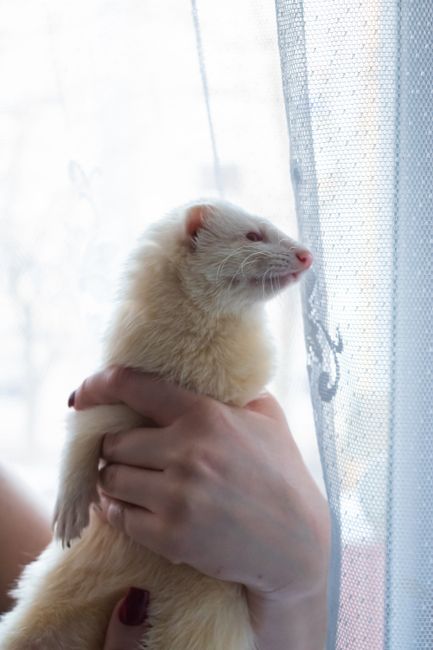
They’re My Lifesaver: Emotional Support Ferrets Help Vet
The unique bond between humans and animals has long been recognized for its profound impact on mental well-being. While dogs and cats dominate the landscape of popular emotional support animals (ESAs), a lesser-known but equally impactful companion animal is emerging as a vital source of comfort and stability for individuals navigating challenging mental health landscapes: the ferret. For many, these curious, energetic, and surprisingly affectionate creatures are not just pets, but indispensable lifesavers, offering a unique brand of therapeutic support that directly aids in managing anxiety, depression, and other emotional burdens. This article will delve into the multifaceted ways emotional support ferrets assist their human companions, particularly highlighting their efficacy for individuals who may not thrive with more conventional ESA choices, and how this partnership can be further facilitated by veterinary understanding and support.
The inherent characteristics of ferrets lend themselves remarkably well to the role of emotional support. Their playful nature provides an immediate distraction from intrusive thoughts and anxieties. The act of engaging with a ferret – be it through supervised playtime, gentle handling, or simply observing their antics – can be a potent form of mindfulness. This active engagement pulls individuals out of ruminative cycles, grounding them in the present moment. Unlike animals that might require extensive outdoor exercise or specialized training, ferrets are well-suited to indoor living and can derive significant enrichment from interactive toys and supervised exploration within a safe environment. This adaptability makes them an accessible option for individuals whose physical or mental limitations might preclude them from caring for a more demanding animal. The simple, rhythmic act of petting a ferret, feeling their soft fur and the gentle vibration of their purr-like chirps, can have a calming physiological effect, lowering heart rate and blood pressure. This tactile connection is a powerful antidote to feelings of isolation and overwhelming stress.
Furthermore, the responsibility of caring for an emotional support ferret can instill a sense of purpose and routine, which are critical for individuals struggling with depression and a lack of motivation. The daily tasks of feeding, cleaning, and providing social interaction create a structured schedule that can be incredibly grounding. For someone experiencing the inertia of depression, the need to get up and care for another living being can be a powerful motivator, pulling them out of bed and into a more active daily existence. This consistent demand for care fosters a sense of accomplishment and self-worth, counteracting the feelings of helplessness often associated with mental health challenges. The ferret’s dependence on their human creates a reciprocal relationship, where the act of being needed and relied upon can be deeply therapeutic.
The social aspect of ferret ownership, though perhaps less overt than with dogs, is also significant. Ferrets can form strong bonds with their owners, displaying distinct personalities and preferences. Their affectionate nuzzles, their tendency to “ferret-nap” on their owners, and their enthusiastic greetings can provide immense comfort and a sense of unconditional love. For individuals who find human social interaction challenging due to anxiety or past trauma, the uncomplicated affection of a ferret can be a gateway to rebuilding trust and experiencing genuine connection. They offer a non-judgmental presence, readily available for comfort without the complexities of human relationships.
A key advantage of ferrets as ESAs lies in their suitability for individuals who may have allergies or sensitivities to more common animals like cats and dogs. While no animal is entirely hypoallergenic, some individuals find they can tolerate ferrets better. This opens up the possibility of animal companionship to a wider range of people who might otherwise be excluded from the therapeutic benefits of an ESA. Their unique scent, often described as musky, is generally not an allergen for most people, unlike the dander produced by many cats and dogs.
The role of the veterinarian in supporting emotional support ferret ownership cannot be overstated. While ESAs do not require the same level of specialized training or certification as service animals, responsible ownership necessitates regular veterinary care. Vets play a crucial role in ensuring the ferret is healthy and thriving, which directly impacts its ability to provide effective emotional support. A sick or uncomfortable ferret will not be able to offer the consistent comfort and engagement their owner relies on. Regular check-ups, preventative care, and prompt treatment for any ailments are paramount.
Veterinarians can also offer invaluable guidance on proper ferret care, including diet, housing, enrichment, and behavioral understanding. Educating owners on common ferret health issues, such as adrenal disease, insulinoma, or lymphoma, and the importance of early detection and treatment, empowers them to proactively manage their ferret’s well-being. This proactive approach not only ensures the ferret’s quality of life but also strengthens the human-animal bond, as the owner feels capable and informed in their caregiving role.
Furthermore, a veterinarian who is knowledgeable about ESAs can be an ally in navigating the practicalities of having an emotional support animal. While legal recognition for ESAs varies, a vet’s professional opinion on the animal’s health and the human-animal bond can be instrumental in situations where documentation or explanation is needed. This might include providing a letter confirming the animal is under their care and appears to be a healthy companion animal, which can be helpful in housing situations or when explaining the importance of the animal to others.
The unique way ferrets express affection and communicate their needs can also be a learning experience for owners, fostering a deeper understanding of non-verbal cues and empathy. Observing a ferret’s body language, their playful pounces, their sleep postures, and their vocalizations (like their “dooking” when happy) allows owners to become attuned to the needs of another being. This heightened sense of observation and responsiveness can translate to a greater capacity for empathy and connection in other areas of their lives.
The "lifesaver" aspect of emotional support ferrets is not an exaggeration for many. For individuals battling severe anxiety, the constant presence of a ferret can be a grounding force during panic attacks. The physical act of holding a calm ferret, feeling their breathing, can help regulate the owner’s own breathing and bring them back from the brink of overwhelming fear. Similarly, for those experiencing suicidal ideation, the responsibility of caring for a dependent creature can provide a powerful reason to keep going. The ferret’s reliance on them can serve as a tangible anchor, a reminder that their life has meaning and value, even when they struggle to see it themselves.
The mental stimulation provided by ferrets is also a critical factor. Their natural curiosity and intelligence mean they require interactive play and mental engagement. This can involve puzzle toys, scent games, or simply allowing them to explore safely. For individuals whose minds are often consumed by negative thoughts, engaging in these playful interactions can be a significant mental break, offering a healthy distraction and a sense of accomplishment as they bond with their ferret. The problem-solving involved in keeping a ferret stimulated can also be a positive cognitive exercise for the owner.
The social isolation that often accompanies mental health conditions can be profoundly mitigated by the presence of an emotional support ferret. While they may not be able to accompany their owners on public outings like service animals, their constant companionship within the home provides an unwavering source of comfort and connection. This can be particularly vital for individuals who are housebound or have limited social circles. The ferret becomes a confidante, a silent listener, and a warm presence that dispels feelings of loneliness.
The economic aspect is also worth considering. While initial costs for a ferret and its setup exist, their ongoing care, when managed properly with a knowledgeable veterinarian, can be more affordable than some other ESA options. This accessibility is crucial for individuals who may be managing their mental health on a fixed income. Responsible sourcing of ferrets from reputable breeders or rescue organizations is paramount to ensure their genetic health and temperament, further contributing to their suitability as ESAs.
The unique "stasis" of a sleeping ferret can also be incredibly calming. The sight of a ferret curled up and deeply asleep, often in unusual and comical positions, can be a source of amusement and relaxation. This peaceful presence can be a visual reminder to slow down and find moments of calm amidst internal turmoil. The gentle, rhythmic rise and fall of their breathing can have a mesmeric effect, drawing the owner into a state of quietude.
In conclusion, emotional support ferrets offer a profound and often life-altering form of companionship for individuals facing mental health challenges. Their playful nature, affectionate disposition, adaptability to indoor living, and the responsibility of their care all contribute to their effectiveness as therapeutic animals. A strong partnership with a veterinarian who understands the unique needs of ferrets and the role they play as ESAs is essential for ensuring their health and, consequently, their ability to provide consistent and reliable emotional support. For many, these small, spirited creatures are not merely pets; they are indispensable lifesavers, offering a unique and powerful pathway to emotional well-being. The growing recognition of their therapeutic potential underscores the diverse and impactful nature of the human-animal bond.
