For over half a century, the biological phenomenon of compensatory proliferation—the process by which damaged tissues, such as skin and organ linings, orchestrate a precise, robust regrowth—has captivated the scientific community. While the result is a miraculous restoration of form and function, the precise molecular orchestration behind this "phoenix-like" regeneration remained largely hidden. Recent research conducted at the Weizmann Institute of Science, published in the journal Nature Communications, has finally illuminated this mystery, revealing a dual-edged cellular survival mechanism that explains both how our bodies heal and why, in the context of oncology, some tumors defy the most aggressive therapeutic interventions.
The Historical Context: From Fly Larvae to Human Biology
The story of compensatory proliferation began in the 1970s, an era when geneticists were pushing the boundaries of developmental biology. By exposing Drosophila (fruit fly) larvae to ionizing radiation, researchers observed a puzzling event: despite massive cellular destruction within the epithelial tissues, the larvae did not wither away. Instead, they underwent a rapid, organized surge of cell division, successfully regenerating fully functional wings and limbs.
This observation set the stage for decades of study into how organisms prioritize structural integrity under extreme stress. For years, the prevailing wisdom held that cellular death—specifically apoptosis—was the endpoint of damage. However, the work of Professor Eli Arama and his colleagues at the Weizmann Institute suggests that apoptosis is far more complex than a simple "kill switch." By leveraging modern genetic sensors, the research team discovered that the machinery of cell death is often hijacked to serve as a survival mechanism, providing a roadmap for tissues to bounce back from catastrophe.
The Discovery of DARE and NARE Cells
To dissect the mechanics of this regeneration, a team led by Dr. Tslil Braun executed a sophisticated series of experiments involving high-resolution imaging of irradiated fruit fly epithelial tissues. The goal was to identify the "first responders" of the cellular world.
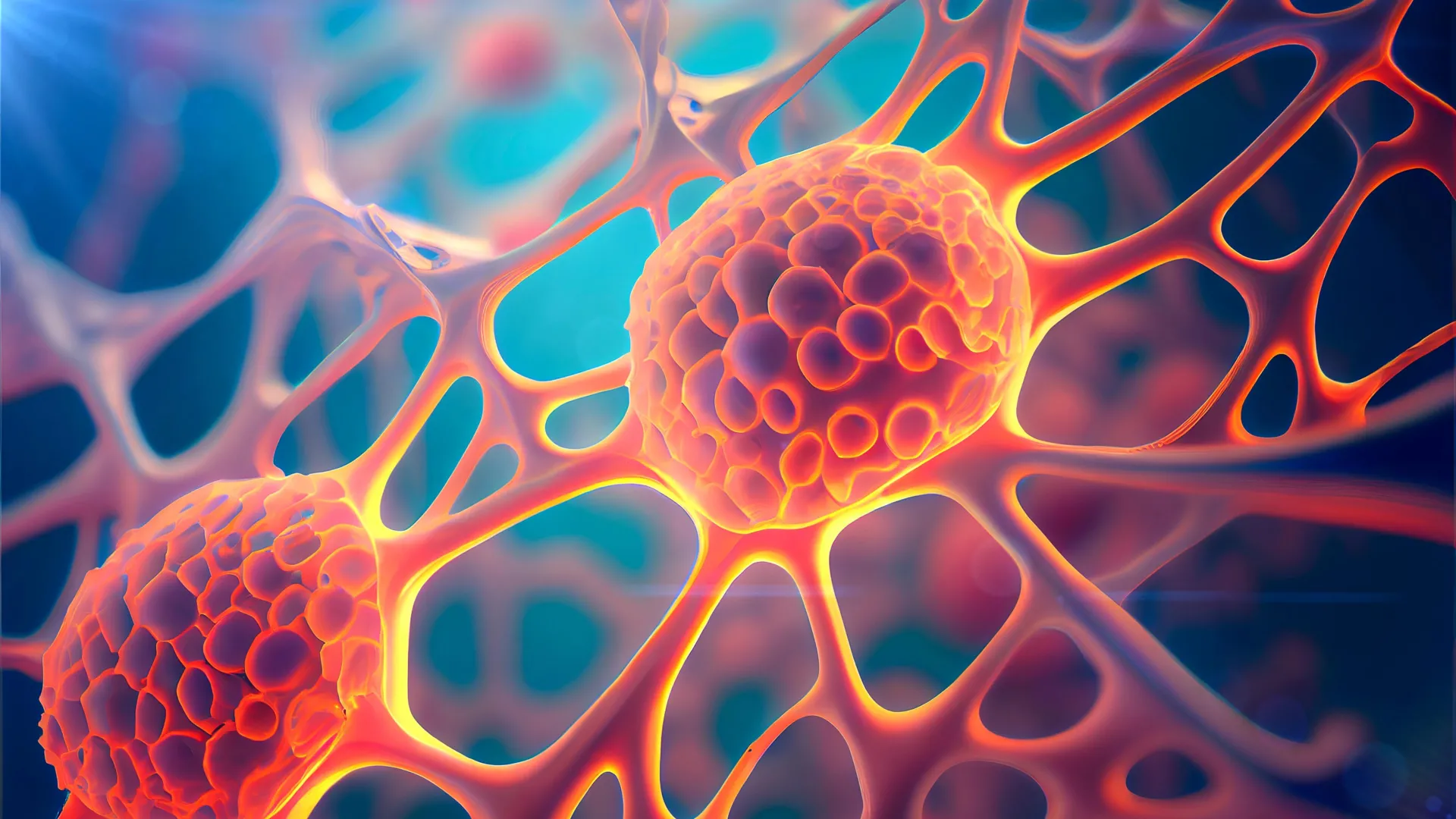
The researchers identified two distinct populations of cells that emerge following significant tissue damage. The first group, termed "DARE" cells (Death-Associated REgenerator cells), are the primary drivers of the healing process. These cells initiate the apoptotic pathway—essentially pressing the "self-destruct" button—but miraculously survive. By utilizing a delayed-activation sensor, the team observed that while the initiator caspase (an enzyme responsible for starting the cell-death cascade) is activated, the process stalls before the executioner caspases can finalize the destruction.
Once the death signal is halted, these DARE cells enter a hyper-proliferative state. Within 48 hours of injury, these cells alone replenish nearly 50% of the lost tissue. The second group, "NARE" cells (Non-death-Associated REgenerator cells), also contribute to the repair, but they operate through a different mechanism: they never initiate the apoptotic pathway in the first place.
The relationship between these two populations is symbiotic. The study revealed that dying cells in the vicinity send molecular signals that "wake up" the DARE cells, triggering their regenerative potential. Furthermore, a complex feedback loop ensures that the tissue does not grow uncontrollably. DARE cells secrete growth signals that stimulate NARE cells, while NARE cells produce inhibitory signals that keep the DARE cell population in check, maintaining the delicate balance between necessary repair and the dangerous, unchecked growth characteristic of cancer.
The Role of Molecular Motors in Cell Survival
The critical question for the researchers was how DARE cells manage to "stall" their own death. The team identified a specific protein—a molecular motor—that acts as a tether. This motor attaches the initiator caspase to the cell membrane, physically sequestering it away from the effector proteins that would otherwise tear the cell apart.
This finding carries profound implications for oncology. The researchers noted that overactivation of this same motor protein has been observed in various human cancers. It appears that tumor cells may exploit this exact evolutionary "emergency brake" to survive the DNA damage caused by radiotherapy. When oncologists administer radiation to a tumor, the intent is to trigger apoptosis. If the cancer cells utilize this tethering mechanism to halt the caspase cascade, they essentially become "treatment-resistant."
The Legacy of Survival: Why Tumors Return
Perhaps the most alarming discovery from the Weizmann study is the long-term legacy of these survival mechanisms. The researchers subjected the tissues to a second round of radiation to see if the survival advantage was inherited. The results were stark: the descendants of DARE cells were seven times more resistant to death than the original tissue cells.
This provides a compelling, fact-based hypothesis for clinical recurrence. When a patient undergoes radiation therapy, the cells that survive—the "Dares" of the tumor—may pass on their survival-oriented genetic and epigenetic adaptations to their offspring. This creates a "hardened" tumor population, making the recurrence not just a re-growth of the original cancer, but an evolutionarily superior version of it.
Implications for Future Cancer Therapeutics
The implications of this discovery are being viewed with cautious optimism by the medical research community. By identifying the specific molecular motor that prevents apoptosis in DARE cells, researchers may be able to develop "sensitizing" agents—drugs that could temporarily disable this protective mechanism during cancer treatment. If physicians can block the tethering process, they might effectively force cancer cells to complete the apoptosis they were otherwise designed to avoid.
Conversely, for regenerative medicine, the ability to safely induce DARE-like behavior in healthy cells could revolutionize the treatment of severe burns, organ failure, or chronic wounds. If the biological "emergency brake" can be toggled on and off with precision, medical science could potentially accelerate the healing process without the risk of runaway cell proliferation.
A New Frontier in Biological Research
This study underscores the inherent paradox of cellular life: the same pathways that keep us alive are the very ones that diseases like cancer manipulate to thrive. While the experiments were performed in Drosophila models, the fundamental conservation of caspase pathways suggests that these mechanisms likely mirror those found in human biology.
"Many cancers originate in epithelial cells that have lost normal growth control," Professor Arama explained, emphasizing that the focus of future research will be to translate these fly-based findings into human clinical trials. "Our findings pave the way for understanding why such treatments sometimes fail and how they could be improved. The results also point toward new ways in which we might be able to accelerate beneficial regeneration of healthy tissue after injury."
The research team, which included contributors from the UMass Chan Medical School and the Severo Ochoa Molecular Biology Center, has effectively opened a new window into the architecture of survival. As the medical community digests these findings, the focus will likely shift toward mapping the specific signaling molecules that mediate the DARE-NARE feedback loop.
Summary of Findings and Future Outlook
The investigation into DARE and NARE cells serves as a reminder of the complexity of the body’s response to trauma. The discovery represents a significant leap forward in understanding:
- The Mechanics of Survival: Apoptotic caspases are not merely executioners but can be repurposed for cell survival and regeneration.
- The Mechanism of Resistance: A molecular motor-tethering system prevents the final stages of apoptosis, a pathway likely co-opted by aggressive tumor cells.
- The Inheritance of Resilience: Surviving cells pass on their survival traits, potentially explaining why recurrent tumors are often more resistant to subsequent radiotherapy.
- The Potential for Therapy: Future treatments could focus on "un-stalling" the apoptotic process in cancer cells while safely stimulating it in damaged, healthy tissues.
As the scientific community moves forward, the work of the Weizmann team stands as a testament to the power of basic biological research. By looking back at a 50-year-old mystery, they have provided a potential blueprint for the next generation of cancer treatments and regenerative therapies, moving closer to a future where the body’s own defense mechanisms can be precisely managed to favor healing over disease.