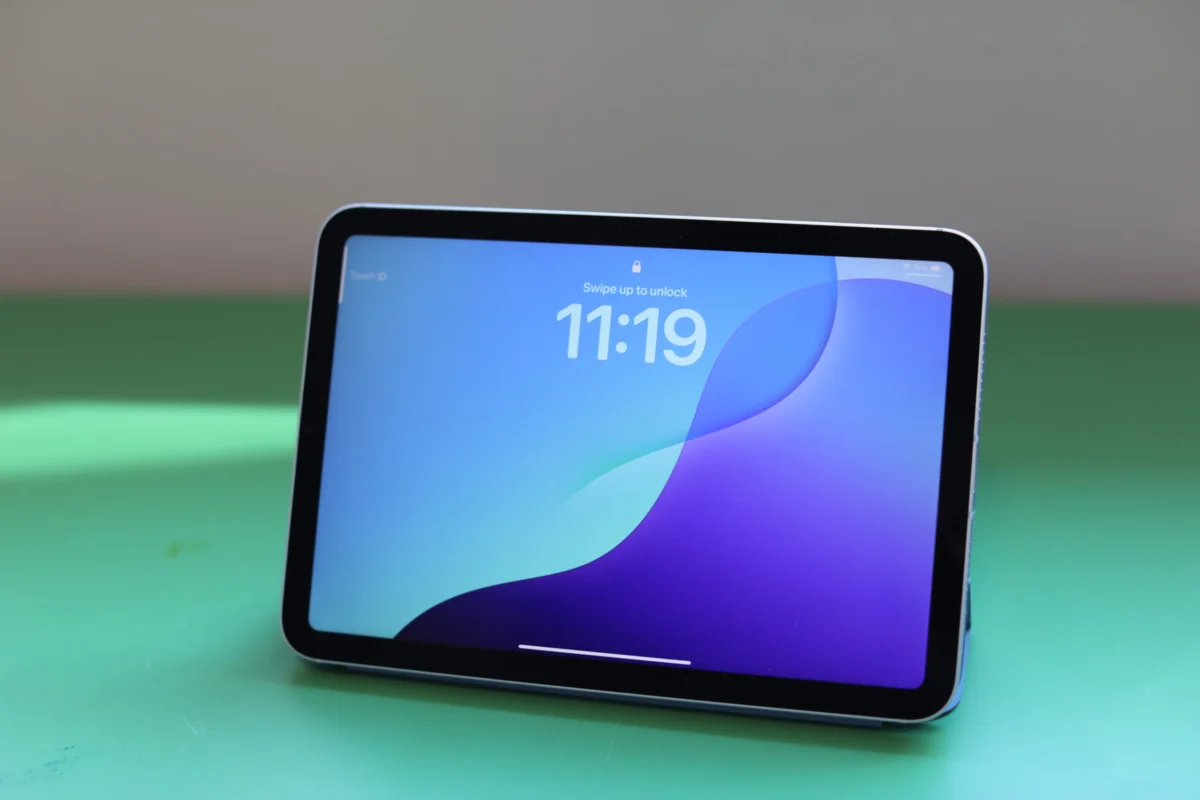
Apple is reportedly preparing a significant wave of new hardware releases for the first half of 2027, with a focus on its flagship iPad Pro line, a redesigned entry-level MacBook Pro, and the debut of its next-generation M7 processor. The Cupertino-based technology giant is said to be in the advanced stages of developing four distinct models of the updated iPad Pro, each slated to feature significantly faster internal silicon. Concurrently, a new "entry-level" MacBook Pro, internally codenamed K104, is also in the pipeline, aiming to broaden Apple’s professional laptop offerings. This ambitious product roadmap, revealed through insider reports, signals a proactive strategy to maintain market leadership and address evolving consumer and professional demands in a competitive landscape.
The anticipated launch of new iPad Pros will mark the first major overhaul of the premium tablet line since its last update in October 2025. This previous iteration introduced the M5 chip, a significant leap in performance and efficiency, and refined the device’s design and display technology. Industry analysts suggest that the upcoming models will not only incorporate the groundbreaking M7 processor but also potentially introduce further enhancements in display capabilities, camera systems, and Apple Pencil integration, aiming to solidify the iPad Pro’s position as a powerful productivity and creative tool that blurs the lines between tablet and laptop. The decision to release four distinct configurations likely caters to a wider spectrum of user needs and price points, from ultra-portable options to more powerful, larger-screened devices.
On the Mac front, the introduction of a new entry-level MacBook Pro is particularly noteworthy. This comes on the heels of the company’s March 2026 release of its high-end MacBook Pro models, powered by the M5 Pro and M5 Max chips, and the budget-friendly MacBook Neo, which notably utilizes the A18 chip originally designed for iPhones. The new K104 MacBook Pro is expected to bridge the gap, offering a more accessible yet still capable Pro-level experience. This move could be a strategic response to market pressures and a desire to attract a broader audience to its professional laptop ecosystem, potentially incorporating features that balance performance with affordability. The integration of the M7 chip in this model, even in a more streamlined form, would represent a substantial upgrade over the A18 chip used in the Neo.
Timeline of Recent and Anticipated Apple Hardware Releases:
- October 2025: Apple introduces the latest iPad Pro models, featuring the M5 chip. This update focuses on performance enhancements and refined design.
- March 2026: Apple unveils new high-end MacBook Pro models equipped with the M5 Pro and M5 Max chips. Simultaneously, the company releases the MacBook Neo, a more budget-oriented laptop utilizing the A18 chip.
- Early 2027 (Targeted): Reports indicate the planned release of four new iPad Pro models, a redesigned entry-level MacBook Pro (K104), and the debut of the M7 processor.
The timing of these anticipated releases is particularly significant, occurring amidst a backdrop of broader industry shifts and internal challenges for Apple. The company is navigating the complexities of its post-Tim Cook era as CEO, a transition that often brings strategic reassessments and product portfolio adjustments. Furthermore, persistent supply chain issues have been a persistent concern, as acknowledged by Cook himself, leading to increased production costs that have, in turn, necessitated price hikes on several key products. For instance, the MacBook Pro with 1 terabyte of storage saw a substantial price increase from $1,699 to $1,999 in late June 2026, illustrating the financial pressures the company is facing. In this context, the introduction of more budget-friendly or competitively priced professional devices like the new MacBook Pro and potentially a more accessible tier of iPad Pros could serve to mitigate consumer resistance to rising prices and maintain market share.
The development of the M7 processor is a critical element of Apple’s ongoing silicon strategy. Each generation of Apple Silicon has delivered substantial improvements in performance, power efficiency, and integrated capabilities, setting industry benchmarks. The M7 is expected to continue this trend, offering enhanced neural processing capabilities for AI-driven features, improved graphics performance for demanding applications, and greater overall efficiency. This advancement will not only benefit the new iPad Pros and MacBook Pro but will also likely influence future iterations of iPhones, Apple Watches, and other devices in Apple’s expansive product ecosystem. The company’s vertical integration of hardware and software, powered by its custom silicon, has been a key differentiator, and the M7 is poised to further strengthen this advantage.
Supporting Data and Market Context:

Apple’s iPad Pro line has consistently been a leader in the premium tablet market, appealing to creative professionals, students, and business users seeking a versatile and powerful mobile computing solution. The tablet market, while maturing, continues to see demand for devices that can handle complex tasks, digital art creation, and content consumption. The introduction of new Pro models with an advanced processor like the M7 is expected to further solidify this segment.
The MacBook Pro lineup, particularly the "Pro" models, caters to a demanding user base that requires significant processing power for tasks such as video editing, software development, and graphic design. By introducing a new entry-level MacBook Pro, Apple aims to capture a segment of the market that may have previously found the Pro models too expensive or overkill for their needs, while still offering a step up from the MacBook Air. This could potentially challenge the dominance of Windows-based laptops in certain professional and academic fields.
The global semiconductor market, while experiencing some fluctuations, continues to be a crucial battleground for technology companies. Apple’s in-house chip development allows it to optimize performance and integrate features that are difficult for competitors to replicate. The M7 processor’s advancements will be closely watched as they are expected to drive new functionalities in both hardware and software, potentially impacting the broader trend towards more intelligent and personalized computing experiences.
Broader Implications and Analysis:
The strategic timing of these product launches suggests a deliberate effort by Apple to proactively address market dynamics. The introduction of more accessible professional-grade hardware could be a direct response to the rising costs associated with its premium devices, aiming to retain customers who might otherwise seek alternatives due to price sensitivity. This diversification of its product portfolio also signals a commitment to a wider range of users, potentially expanding its market reach and customer base.
The sustained investment in Apple Silicon, culminating in the M7 processor, underscores the company’s long-term vision for integrated computing. As artificial intelligence and machine learning become increasingly embedded in everyday technology, the performance and efficiency gains offered by Apple’s custom chips will be crucial for delivering advanced AI features, from enhanced photo editing and predictive text to more sophisticated virtual assistants and on-device processing for privacy-sensitive data.
Furthermore, the continued development of the iPad Pro as a potent productivity device reinforces Apple’s strategy of creating convergence between its mobile and desktop operating systems. The iPadOS continues to evolve, incorporating features that allow for more robust multitasking, file management, and app compatibility, further blurring the lines between tablets and traditional computers. The success of these new iPad Pro models will be a key indicator of the long-term viability of this convergence strategy.
While Apple has not officially commented on these upcoming releases, the consistent flow of information from reliable sources within the supply chain and industry analysis indicates a strong likelihood of these product refreshes materializing. The company’s history of meticulous product planning and execution suggests that these new devices, powered by the M7 chip, will represent another significant step forward in Apple’s innovation trajectory, aiming to set new standards for performance, efficiency, and user experience across its product lines. The market will be eagerly awaiting official announcements to confirm these exciting developments.