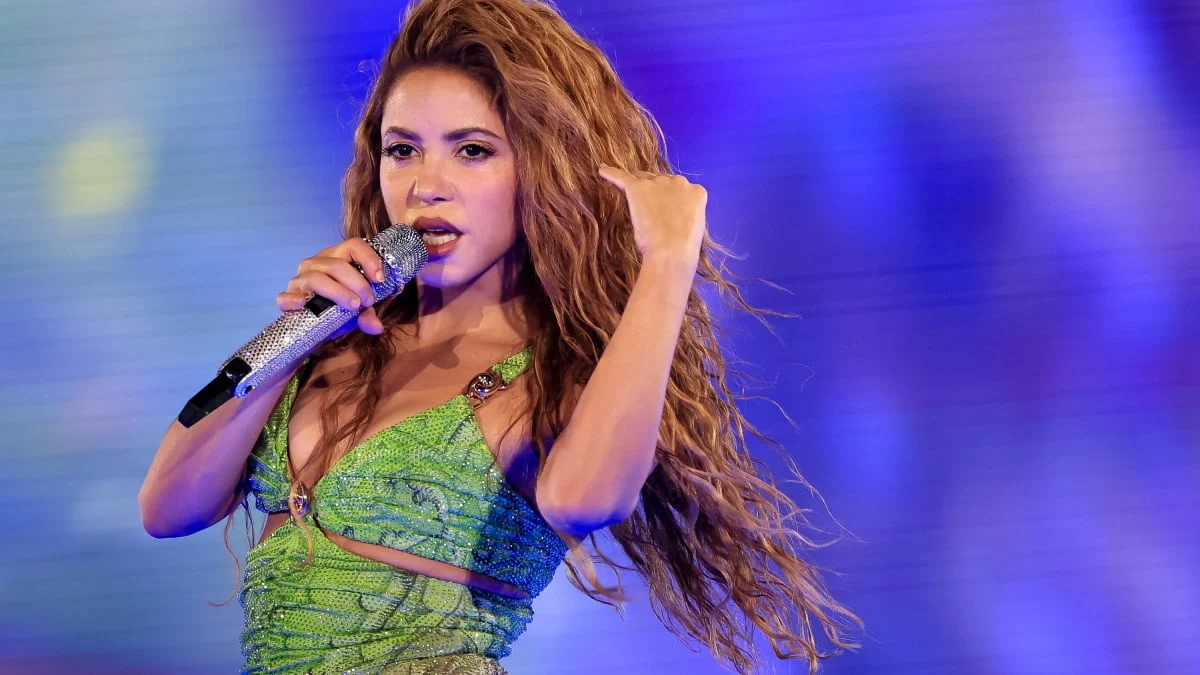
FIFA is set to redefine the halftime experience at the upcoming World Cup final, introducing a spectacle reminiscent of the Super Bowl’s iconic performances. This groundbreaking move will see a constellation of global music heavyweights take center stage, promising an electrifying entertainment segment during the championship match between Spain and Argentina at the New York New Jersey Stadium. The unprecedented lineup includes pop icon Justin Bieber, the globally acclaimed K-pop sensation BTS, legendary artist Madonna, and Latin music superstar Shakira. Adding further depth and diversity to the performance, Burna Boy, acclaimed conductor Gustavo Dudamel, and the PS22 Chorus, in collaboration with Coldplay, are also slated to appear. The show’s curation falls to Coldplay frontman Chris Martin, ensuring a unique artistic vision. In a surprising addition that bridges entertainment and education, beloved characters from the children’s television shows Sesame Street and The Muppets will also make an appearance, highlighting a commitment to broader cultural engagement.
A Detailed Look at the World Cup Halftime Show
The highly anticipated World Cup final is scheduled to kick off on Sunday, July 19, at 3 p.m. ET. The halftime show is projected to commence approximately between 3:45 and 3:50 p.m. ET. This timing is contingent upon the match adhering to its schedule and experiencing no significant delays. FIFA and Global Citizen, the organizations behind the initiative, have deliberately abstained from announcing a precise start time. This decision stems from the inherent unpredictability of soccer matches, where added stoppage time in the first half can lead to variations in the exact duration of play. While a standard half lasts 45 minutes, the inclusion of injury time means halftime could be pushed back by several minutes. For viewers primarily interested in the musical performances, it is advisable to tune in by 3:45 p.m. ET to ensure they do not miss the opening acts.
The performance itself is slated to last 11 minutes. However, the overall halftime interval could extend considerably beyond the traditional duration. This is due to the logistical demands of constructing and dismantling a complex stage setup within the stadium. Broadcasters are reportedly bracing for a potential extension of the standard 15-minute halftime break to as long as 30 minutes to accommodate these technical requirements.
Fan and Official Reactions to the Extended Halftime
This significant departure from traditional World Cup halftime protocols has elicited varied reactions. The International Football Association Board (IFAB), the sport’s rulemaking body, has historically maintained a strict 15-minute limit for halftime. Notably, IFAB rejected a proposal in 2021 to extend this interval to 25 minutes, citing concerns regarding player welfare and the potential negative impacts of prolonged inactivity on athletes. This historical stance has led some to question the rationale behind FIFA’s decision to adopt a Super Bowl-esque extended break.
The move is also perceived by some segments of the fan base as a deliberate effort to Americanize the World Cup, transforming it into a spectacle more akin to the Super Bowl, where entertainment and commercial breaks often rival the game’s own significance. Social media platforms have been abuzz with discussions and commentary, reflecting a spectrum of opinions. While some express excitement about the star-studded lineup and the prospect of a grander entertainment experience, others voice apprehension about the potential dilution of the sport’s traditional values and the increased emphasis on commercial aspects.
Historical Context and FIFA’s Evolving Approach
The World Cup has traditionally focused on the athletic prowess and competitive spirit of the participating nations. Halftime breaks, while offering a respite, have largely been functional, allowing teams to strategize and players to recover. The introduction of an elaborate halftime show marks a significant evolution in FIFA’s approach to fan engagement and event presentation. This shift can be viewed within the broader trend of major sporting events incorporating high-profile entertainment to attract a wider audience and generate increased commercial interest.
The partnership with Global Citizen, an international advocacy organization, underscores a dual objective: to provide world-class entertainment while simultaneously advancing a philanthropic cause. The FIFA Global Citizen Education Fund aims to raise substantial funds to improve educational opportunities and support soccer programs for children globally. This initiative adds a layer of social responsibility to the entertainment spectacle, aiming to leverage the massive viewership of the World Cup final for positive social impact.
Navigating the Broadcast: How to Watch the Halftime Show
The World Cup halftime show will be an integral part of the World Cup final broadcast. English-language viewers in the United States can tune into Fox for live coverage. The match and its accompanying entertainment will also be available for streaming through Fox One and the Fox Sports app. Fox’s pregame coverage is scheduled to commence at noon ET, offering three hours of build-up to the kickoff.
For Spanish-language audiences, Telemundo will provide live broadcast coverage, with streaming options available on Peacock. Subscribers to Peacock Premium and Premium Plus will have access to all 104 World Cup matches, including the final and its halftime performance, in Spanish. For those seeking comprehensive viewing guides and information on accessing the World Cup online, including tips for international viewers and VPN users, Mashable’s dedicated guide to watching the 2026 World Cup online for free remains a valuable resource.
The FIFA Global Citizen Education Fund: A Philanthropic Endeavor
The halftime performance serves as a significant platform for the FIFA Global Citizen Education Fund. This initiative has set an ambitious target of raising $100 million to expand access to education and soccer programs for children worldwide. FIFA has reported that over $50 million has already been accumulated, with a notable contribution of $1 from every ticket sold for the tournament events. This philanthropic aspect aims to demonstrate that the event’s grandeur can be a catalyst for meaningful social change, connecting global sporting passion with tangible benefits for underprivileged youth.
Implications and Future Trends
The integration of a Super Bowl-style halftime show into the World Cup final carries several implications. It signals FIFA’s intent to elevate the event beyond a purely sporting competition, embracing a more holistic entertainment model. This could attract new demographics of viewers who may not be traditional soccer enthusiasts but are drawn to the star power and spectacle. Furthermore, it sets a precedent for future major international sporting events, potentially influencing how they are packaged and presented to a global audience.
However, the success of this initiative will likely be judged not only by the quality of the performances and the financial contributions to the education fund but also by how well it resonates with the core footballing community. Balancing the demands of entertainment and commercial interests with the preservation of the sport’s integrity and traditions will be a key challenge for FIFA moving forward. The extended halftime, while offering a novel experience, will need to be managed carefully to avoid disrupting the flow of the game or alienating purists. The coming years will likely reveal whether this bold experiment at the 2026 World Cup proves to be a transformative step or a divisive one.