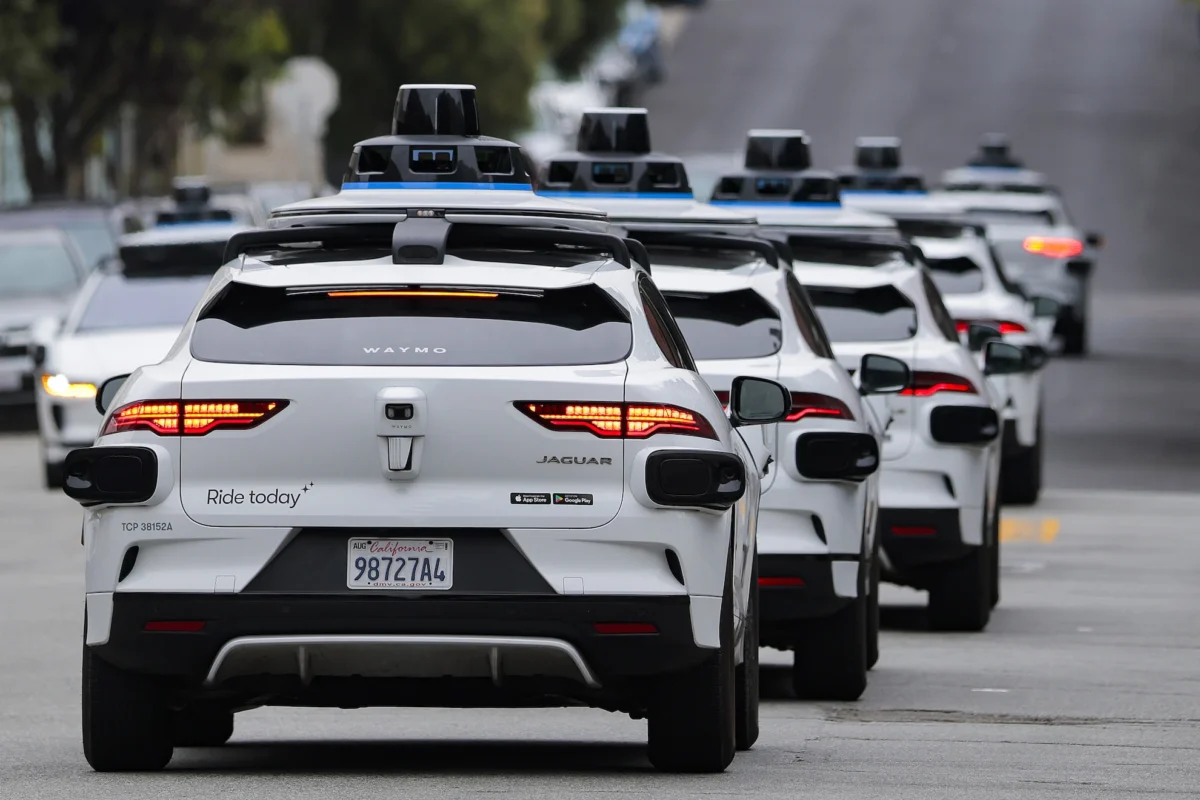
Waymo, the autonomous vehicle subsidiary of Alphabet, announced the resumption of its robotaxi service in San Francisco on July 18, 2026, following a temporary pause attributed to a significant power outage that affected approximately 7,000 Pacific Gas and Electric (PG&E) customers across the city. The disruption, which lasted for roughly an hour, prompted Waymo to implement "temporary adjustments" to its operations, including the unavailability of freeway routes, before returning to normal service.
The incident, which began around midday Pacific Daylight Time, highlighted the ongoing challenges and vulnerabilities associated with integrating advanced autonomous vehicle technology into complex urban environments, particularly during unforeseen infrastructure failures. Social media posts, including a widely shared screenshot, indicated that Waymo had informed its San Francisco users of the service interruption, specifying the pause and the restriction on freeway travel.
In a statement to TechCrunch, a Waymo spokesperson confirmed the adjustments were made as the company monitored local conditions. "We know riders depend on us, and we will return to normal operations as soon as possible," the spokesperson stated, underscoring the company’s commitment to reliability. Subsequent to the initial publication of the article, Waymo provided further clarification, explaining that the decision to pause service for approximately one hour was a proactive measure. This allowed the company to "assess the scale of the power outage affecting a large portion of San Francisco and coordinate with local officials."
This is not the first instance where widespread power outages have impacted Waymo’s operations in San Francisco. The city has witnessed similar disruptions in the past, notably in December 2025, when a blackout caused several Waymo vehicles to stall on city streets, leading to service suspensions. Another significant incident occurred on the Fourth of July, when a similar power failure contributed to traffic gridlock, exacerbated by a fireworks display over the Golden Gate Bridge.
These recurring challenges have intensified scrutiny on the operational resilience of autonomous vehicles during emergencies. San Francisco Mayor Daniel Lurie has been an vocal advocate for more stringent state regulations governing autonomous vehicle operations. Following a previous "traffic fiasco" involving Waymo vehicles, Mayor Lurie reiterated his call for "tougher state regulations" to "adequately address how autonomous vehicles operate during major incidents, planned or not." This suggests a growing tension between the rapid advancement of AV technology and the need for robust regulatory frameworks that ensure public safety and minimize societal disruption.
Chronology of the July 18th Incident
The events of July 18, 2026, unfolded as follows:
- Midday (Approximately 12:00 PM PDT): A significant power outage began affecting various neighborhoods in San Francisco. Initial reports indicated that around 7,000 PG&E customers were without power.
- Shortly After Outage Begins: Waymo, which operates a commercial robotaxi service in the city, detected the widespread power disruption.
- Waymo Service Adjustment: The company implemented "temporary adjustments" to its service. This included a temporary pause on robotaxi operations and the restriction of freeway routes.
- User Notification: Waymo communicated the service interruption to its San Francisco-based customers, informing them of the temporary pause and the limitations on freeway travel. This communication was reportedly shared on social media platforms.
- Company Assessment and Coordination: Waymo spokesperson indicated that the company paused service for approximately one hour to assess the scope of the power outage and to coordinate with local authorities.
- Resumption of Service: By early afternoon (around 1:30 PM PDT, based on the article’s update time), Waymo announced that its robotaxi service had resumed normal operations in San Francisco.
Supporting Data and Context
The power outage on July 18, 2026, was reportedly a localized event affecting a significant, though not city-wide, segment of San Francisco. PG&E, the primary utility provider for the region, has been the subject of increased scrutiny in recent years due to infrastructure challenges and the impact of extreme weather events. The exact cause of the July 18th outage was not immediately specified in the provided content, but such events can stem from various factors including equipment failure, vegetation interference, or impacts from ongoing construction or maintenance activities.
The reliance of autonomous vehicle systems on stable power grids, as well as the precise functioning of sensors and communication networks that can be affected by power fluctuations or outages, underscores a critical dependency. Waymo vehicles, like other advanced AVs, utilize a sophisticated array of LiDAR, radar, cameras, and powerful onboard computers, all of which require a consistent and reliable power supply. In the event of a power loss, these systems must have robust fail-safes, which can include backup power sources, safe stopping protocols, and communication channels to a remote operations center.

The implication of this dependency is that AV services, particularly those operating without a human safety driver on board, are inherently susceptible to disruptions caused by external infrastructure failures. This vulnerability is a key concern for city officials and regulatory bodies as they grapple with the widespread deployment of such technology.
Broader Impact and Implications
The incident serves as a microcosm of the larger challenges associated with the widespread adoption of autonomous vehicles in urban settings.
Operational Resilience and Infrastructure Dependency
The temporary suspension of Waymo’s service highlights the critical need for autonomous vehicle companies to develop strategies for operating reliably amidst unpredictable infrastructure failures. This includes not only the vehicle’s internal power systems but also its reliance on external networks for navigation, traffic data, and communication. A prolonged or widespread power outage could have a far more significant impact on a fully autonomous transportation network.
Regulatory Scrutiny and Public Trust
Mayor Lurie’s call for tougher regulations is a direct response to these recurring disruptions. As autonomous vehicles become more prevalent, public trust hinges on their perceived safety and reliability, especially during emergencies. Incidents like the one on July 18th, while brief, can erode public confidence and fuel calls for stricter oversight. Regulators are tasked with balancing the potential benefits of AV technology (e.g., reduced accidents, increased mobility) with the need to mitigate associated risks.
Coordination with Local Authorities
Waymo’s statement about coordinating with local officials suggests an evolving relationship between AV operators and city governments. Effective communication and collaboration are crucial for managing disruptions, ensuring public safety, and integrating AVs seamlessly into the urban fabric. This includes protocols for how AVs should behave during emergencies, how they can be safely managed if disabled, and how information is shared between companies and city agencies.
Impact on Riders and the Gig Economy
For riders who depend on services like Waymo, temporary suspensions can cause significant inconvenience, potentially impacting their ability to commute, attend appointments, or conduct business. This also has implications for the burgeoning gig economy that often relies on these services for income. The reliability of the service directly affects the livelihoods of drivers (if applicable in hybrid models) and the customer base.
Future of Autonomous Mobility
The incident underscores that the widespread deployment of fully autonomous vehicles will require robust solutions to ensure their operation is not unduly compromised by external factors such as power outages, extreme weather, or other infrastructure-related events. This may involve investments in more resilient vehicle technology, enhanced communication infrastructure, and stronger partnerships between technology companies and public utility providers. The ongoing dialogue in San Francisco reflects a broader national conversation about the future of urban mobility and the regulatory frameworks needed to support it.
The resumption of Waymo’s service on July 18, 2026, marks a return to normalcy, but the underlying issues raised by the temporary disruption remain pertinent as the autonomous vehicle industry continues to mature and integrate into the daily lives of city dwellers. The path forward will likely involve continuous innovation, adaptive regulation, and close collaboration between technology providers and municipal authorities.