For patients undergoing radiation therapy for abdominal malignancies, the primary clinical challenge has long been the collateral damage inflicted upon the small intestine. While ionizing radiation is a powerful tool for eradicating tumors, its lack of precision often compromises the delicate epithelial lining of the digestive tract, leading to debilitating side effects that can necessitate dose reductions or treatment interruptions. Now, a groundbreaking preclinical study led by researchers at The University of Texas MD Anderson Cancer Center has uncovered a novel biological mechanism that could mitigate this damage. By pairing a 24-hour fast with the activity of a specific gut microbe, scientists have identified a pathway to "prime" the intestine for rapid regeneration.
The study, published in the Proceedings of the National Academy of Sciences (PNAS), establishes a critical link between dietary intervention and the gut microbiome, suggesting that the body’s ability to recover from radiation is not merely a metabolic byproduct of fasting, but a carefully orchestrated interaction involving commensal bacteria.
The Mechanism of Cellular Readiness
At the heart of this discovery is the bacterium Akkermansia muciniphila (AKK). Researchers found that a 24-hour fasting period significantly elevates the population of AKK within the small intestine. This microbe produces a short-chain fatty acid called propionate, which acts as a signaling molecule to influence the internal environment of intestinal cells.
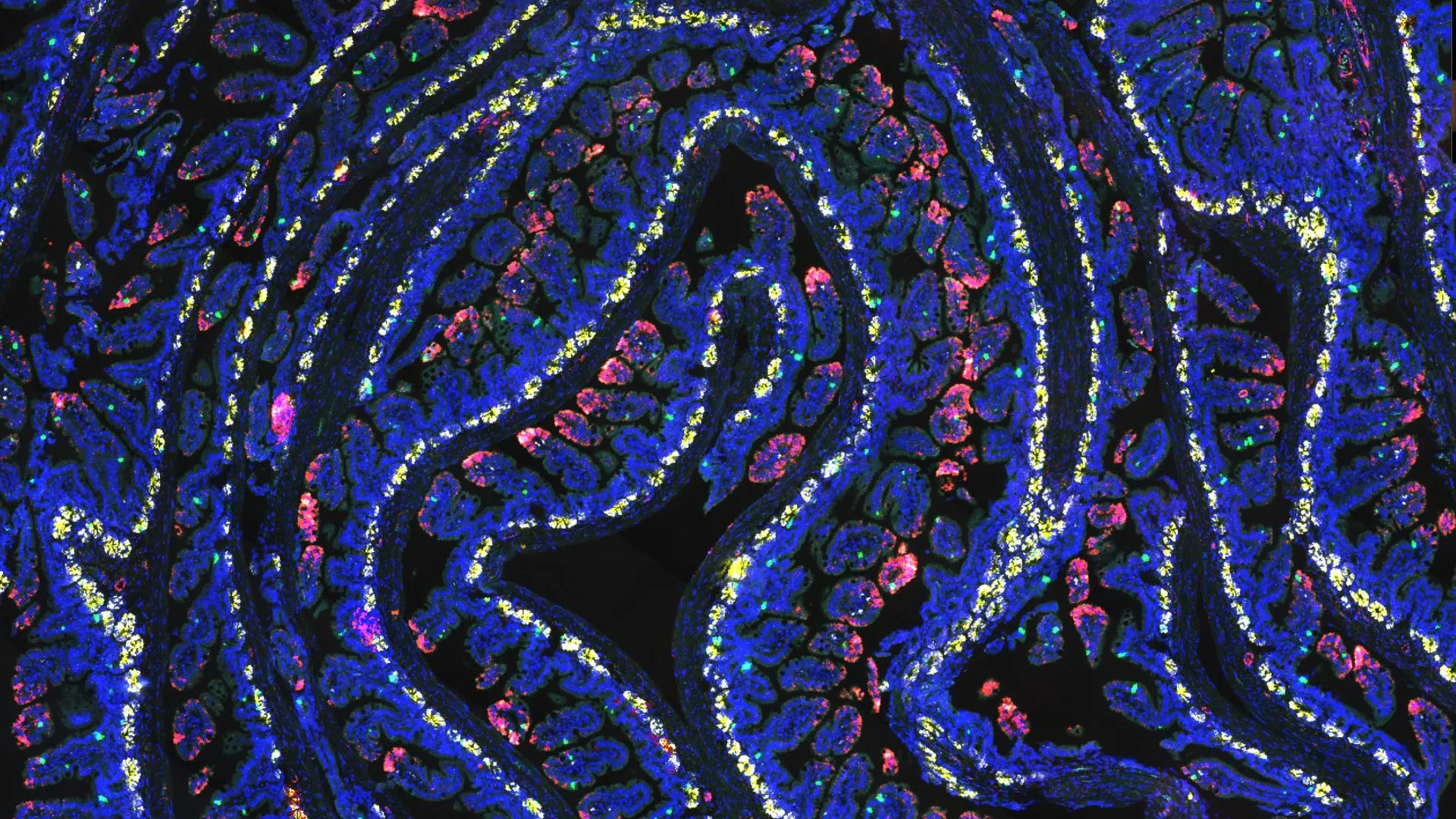
Under normal conditions, radiation-induced injury disrupts the structural integrity of the gut lining, leading to severe inflammation, malabsorption, and systemic infection. However, the study reveals that the combination of fasting and AKK-produced propionate triggers a shift in cellular epigenetics. Specifically, these factors modify histones—the proteins around which DNA is coiled. By adding chemical markers to these histones, the cells gain improved access to genes responsible for tissue regeneration. Effectively, the fasting period acts as an "emergency preparedness plan," putting the intestinal cells in a state of high readiness to deploy repair programs the moment injury occurs.
Chronology of the Discovery
The research, co-led by Dr. Helen Piwnica-Worms, professor of Experimental Radiation Oncology, and Dr. Kunal Rai, professor of Genomic Medicine, builds upon years of iterative investigation at the MD Anderson Cancer Center.
- Initial Observations (2018–2020): Early preclinical trials in the Piwnica-Worms Laboratory demonstrated that fasting prior to radiation exposure correlated with a higher survival rate and faster recovery of intestinal tissue in rodent models. At the time, the underlying biological trigger remained elusive.
- The Microbiome Link (2021–2022): Researchers shifted their focus to the gut microbiome, hypothesizing that fasting altered the composition of intestinal flora in a way that conferred systemic benefits.
- Identification of AKK (2023): Through metagenomic sequencing and selective microbial depletion, the team identified Akkermansia muciniphila as the essential mediator. They observed that when AKK was absent, the protective effects of fasting were entirely negated.
- Publication and Validation (2024): The peer-reviewed findings were formally published in PNAS, confirming that the synergy between fasting and microbial metabolites is essential for the observed regenerative response.
The Burden of Radiation-Induced Intestinal Toxicity
Radiation therapy remains a cornerstone of treatment for pancreatic, colorectal, and gynecologic cancers. According to data from the National Cancer Institute (NCI), tens of thousands of patients annually are treated with abdominal radiation. The small intestine is notoriously sensitive to ionizing radiation because it relies on a constant turnover of stem cells to maintain its lining.
When this lining is decimated by high-energy beams, patients often suffer from acute radiation enteritis. Symptoms include nausea, chronic diarrhea, electrolyte imbalances, and severe dehydration. In some cases, the damage is so extensive that it leads to bowel perforation or sepsis. Because of these risks, oncologists are often forced to balance the "therapeutic window"—the delicate equilibrium between delivering enough radiation to kill the cancer and sparing enough healthy tissue to prevent life-threatening toxicity. This study offers the first robust scientific evidence that metabolic and microbial manipulation could widen that window.
Implications for Clinical Practice and Future Therapeutics
While the findings are compelling, the research team is careful to note the distinction between preclinical success and human clinical application. "Fasting is not always practical for cancer patients, many of whom are already struggling with weight loss or malnutrition," noted Dr. Kunal Rai. The researchers are now shifting their focus toward translating these findings into actionable clinical strategies that do not require patients to abstain from food.
The potential for "post-biotic" therapies—treatments that mimic the metabolic output of beneficial bacteria—is a significant area of future study. By synthesizing propionate or using targeted probiotics to bolster AKK levels, clinicians might one day be able to confer the protective benefits of fasting without the physiological strain.
Furthermore, the scope of this research may extend beyond the intestines. The team is currently investigating whether this "epigenetic priming" could be applied to other tissues that suffer from rapid-cell-division toxicity during chemotherapy or radiation, such as bone marrow. If bone marrow can be similarly "trained" to survive aggressive treatments, it could drastically reduce the incidence of anemia, leukopenia, and thrombocytopenia in cancer patients.
Expert Perspectives and Institutional Context
The study was conducted with funding support from the National Cancer Institute (NCI) and the Cancer Prevention and Research Institute of Texas (CPRIT). The rigorous nature of the study, which involved the selective removal and subsequent restoration of the AKK bacterium, has drawn attention from the broader oncology community for its clear demonstration of microbial necessity.
By proving that the bacterium was both necessary and sufficient when combined with fasting, the study has provided a roadmap for future drug development. The industry may now look toward developing therapeutic agents that target the same histone modifications identified in the research. This would essentially be a pharmacological bypass of the fasting process, offering a more standardized, reproducible, and patient-friendly approach to radioprotection.
Analysis: A New Frontier in Oncology
The integration of microbiology into standard oncological care represents a paradigm shift. Historically, the gut microbiome was viewed primarily as a secondary concern, related mostly to immune system health. The MD Anderson findings position the microbiome as a direct participant in the physiological response to oncology treatments.
If further studies, particularly Phase I and II clinical trials, validate these results, the standard of care for abdominal cancer patients could evolve significantly. Future protocols might include pre-treatment "microbiome optimization," where patients are provided with specific dietary fibers or microbial supplements to maximize their levels of Akkermansia muciniphila before the first fraction of radiation is delivered.
This research underscores a broader trend in modern medicine: the move away from broad-spectrum interventions and toward precision biology. By leveraging the body’s own commensal microbes to facilitate tissue repair, researchers are not just fighting cancer; they are optimizing the host to withstand the rigors of life-saving therapy. As the scientific community awaits the results of human-based investigations, this study serves as a critical milestone, highlighting how the unseen inhabitants of our digestive tract may hold the key to safer, more effective cancer treatments in the years to come.