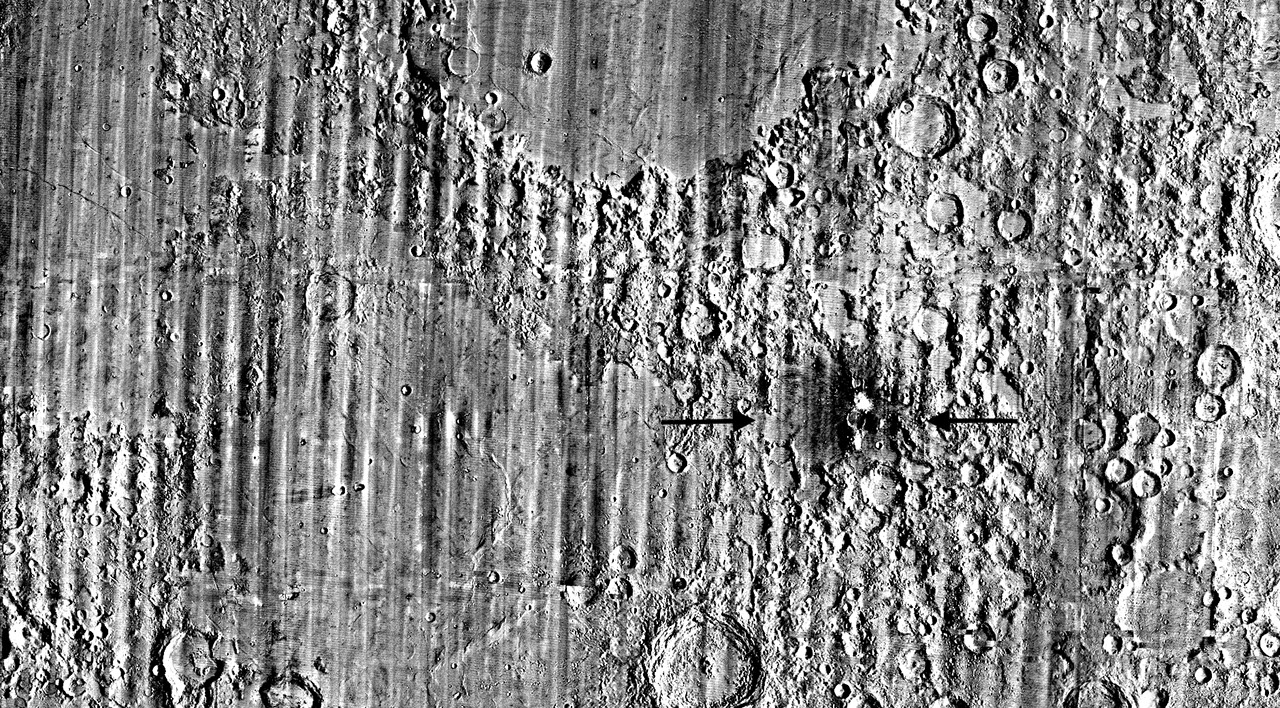
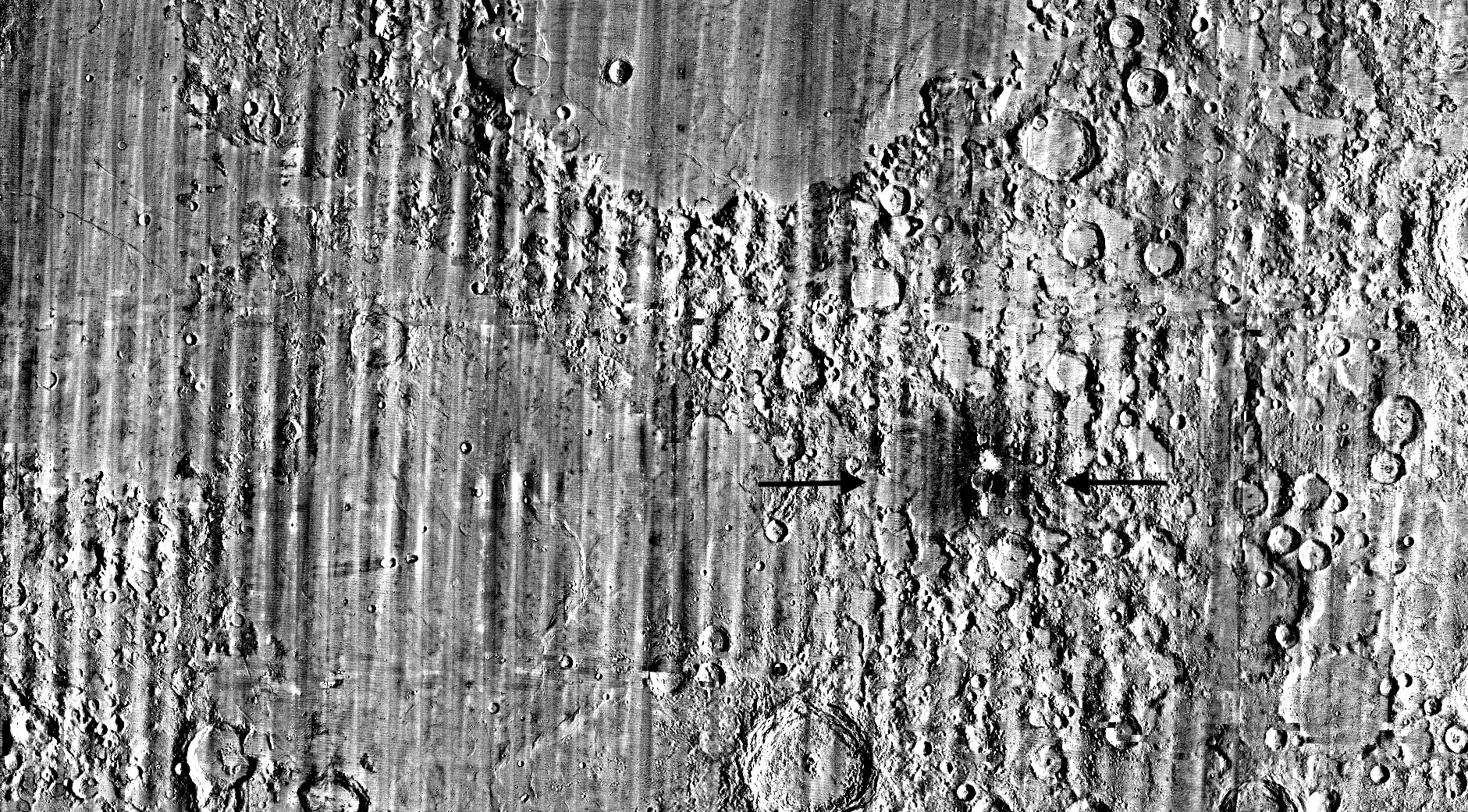
The lunar surface, often perceived as a static and unchanging landscape, has once again proven to be a theater of dynamic geological activity. On October 24, 2025, during a routine data-quality assessment, Robert Wagner, an image-processing specialist from Intuitive Machines working with the Lunar Reconnaissance Orbiter Camera (LROC) team, identified a striking anomaly on the Moon’s eastern limb. What appeared as a prominent, bright spot framed by a distinct dark halo in the LROC data was subsequently confirmed to be the largest, newly formed crater ever documented within the solar system. The discovery, officially cataloged as McGetchin, serves as a stark reminder of the constant bombardment the Moon endures and underscores the vital importance of the 17-year-long LRO mission in monitoring our celestial neighbor.
A Discovery Born of Routine Analysis
The identification of the McGetchin crater was not the result of a targeted search for impact events, but rather a byproduct of rigorous data maintenance. Wagner was engaged in the process of stacking hundreds of "before and after" frames captured by the LROC Wide-Angle Camera (WAC). The software employed for this task is designed to isolate changes across the lunar surface: static features appear in uniform shades of gray, while areas of physical alteration manifest as distinct bright or dark patches.
While the software frequently generates false positives due to subtle shifts in solar lighting or shadow angles, the McGetchin feature was immediately distinguishable. Its scale, spanning hundreds of pixels, indicated a significant geological event. Upon isolating the coordinates, Wagner and his colleagues initiated a multi-instrument investigation to confirm the nature of the disturbance. The discovery, which was formally detailed in the journal Science Advances, marks a milestone in lunar science, as it provides a rare, high-resolution look at the immediate aftermath of a large-scale cosmic impact.
Chronology of the Impact Event
Based on an analysis of the orbital data, researchers have established a precise window for the crater’s formation. Comparing imagery captured by the LRO mission, the site was confirmed to be pristine as of April 11, 2024. By May 22, 2024, follow-up imagery confirmed the presence of the new impact structure. This narrows the window of the impact event to approximately six weeks.
The culprit behind the crater is estimated to be a comet or asteroid measuring between three to six stories in height. Traveling at extreme velocities through the vacuum of space, the object struck the lunar surface with enough kinetic energy to excavate a hole 728 feet in diameter—roughly the length of two standard American football fields—and reaching a depth of 141 feet. For perspective, this crater is capacious enough to house three yellow school buses stacked vertically.
Technical Specifications and Statistical Significance
To understand the rarity of this event, one must look at the statistical frequency of lunar impacts. Scientific estimates suggest that an impact of this specific magnitude occurs on the Moon roughly once every century, if not longer. While the LRO mission has identified at least 1,000 new craters and over 100,000 surface changes—ranging from projectile impacts to the dispersion of ejecta—most of these are the result of microscopic debris or small-scale impacts.
The LROC system, which orbits the Moon at an altitude of approximately 60 miles, typically identifies new craters as small as 30 feet in diameter. These smaller features are generally carved by projectiles the size of a standard monster-truck tire. It is estimated that approximately 140 craters of this smaller scale are formed on the Moon annually. However, the McGetchin crater sits far outside this average, representing a high-energy event that provides researchers with a rare dataset on the mechanical response of the lunar regolith to large-scale kinetic force.
Thermal Analysis: The "Cold Spot" Phenomenon
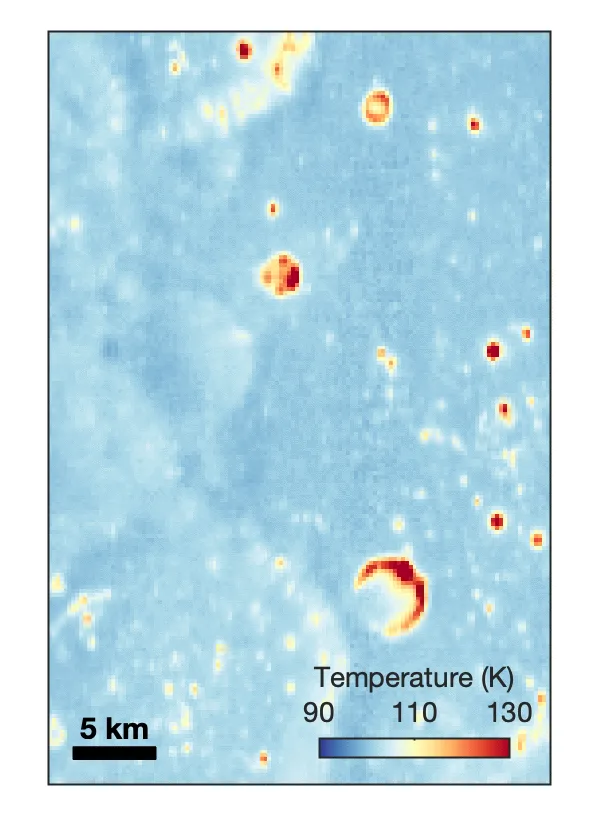
Following the initial discovery, the research team utilized the Diviner Lunar Radiometer Experiment, one of the seven instruments aboard the LRO, to perform thermal imaging of the site. The findings were as significant as the visual discovery itself. Scientists identified a 4-mile-wide area surrounding the crater that exhibits temperatures 16 degrees Fahrenheit cooler at night compared to the surrounding terrain.
This phenomenon, described in a secondary paper published in Science Advances, is attributed to the "fluffing" of the regolith. The immense pressure of the impact pulverized the lunar soil, increasing its porosity and decreasing its density. Consequently, the material’s ability to conduct and retain heat is significantly diminished. This "cold spot" indicates that the physical and thermal consequences of an impact extend far beyond the crater’s rim, creating a localized environment that could influence future surface operations.
Implications for Human and Robotic Exploration
As NASA continues to advance the Artemis program and move toward a sustained human presence on the Moon, the findings at the McGetchin site carry practical implications for engineering and safety. The alteration of the regolith density—the same process that creates the thermal "cold spot"—also changes the structural integrity of the surface.
"The large extent of this cold spot is striking because it shows that impacts can modify the Moon’s surface far beyond the crater itself," noted researchers involved in the study. These changes to the surface texture could affect the mobility of rovers, the structural stability for landing pads, and even the efficiency of lunar infrastructure. Understanding how the lunar regolith reacts to impact is no longer merely a theoretical exercise; it is a prerequisite for the next generation of lunar exploration.
The Role of LRO in Long-term Lunar Monitoring
The LRO mission, launched in 2009, remains the primary tool for monitoring the dynamic nature of the Moon. By circling the poles and systematically mapping the topography, surface composition, and radiation environment, the LRO has transformed our understanding of the Moon from a "dead" world to a place of ongoing geological evolution.
The methodology employed by Robert Wagner—stacking global maps to identify changes—is labor-intensive, requiring a delicate balance between automated software detection and expert manual verification. The success in identifying the McGetchin crater demonstrates the continued necessity of human oversight in planetary science. Even with advanced AI and processing algorithms, the nuanced interpretation of visual data remains a human endeavor.
Scientific Legacy and Future Outlook
The naming of the crater in honor of Tom McGetchin, a pioneering lunar scientist, is a fitting tribute to the research lineage that has made such discoveries possible. McGetchin was a champion of understanding the mechanics of volcanic and impact processes, and the discovery of this crater provides a modern, high-fidelity data point that would have been invaluable to his work.
Moving forward, the LROC team intends to continue its systematic comparisons of lunar imagery. As the dataset grows, the scientific community expects to refine models of impact frequency and their effects on the lunar environment. These models are crucial for determining the longevity of surface assets and the long-term safety of lunar explorers.
The McGetchin discovery is more than just a large hole in the ground; it is a diagnostic tool for the health and volatility of the Moon. By documenting the lifecycle of such an impact—from the flash of the strike to the thermal dissipation of the surrounding ejecta—NASA is effectively building a "weather report" for the solar system’s most frequent target. This data, synthesized over decades, provides the foundation upon which the future of lunar industrialization and exploration will be built. As we prepare to return to the Moon, the LRO mission continues to prove that in the vast, dark reaches of space, the most important information is often found in the smallest, most routine of details.