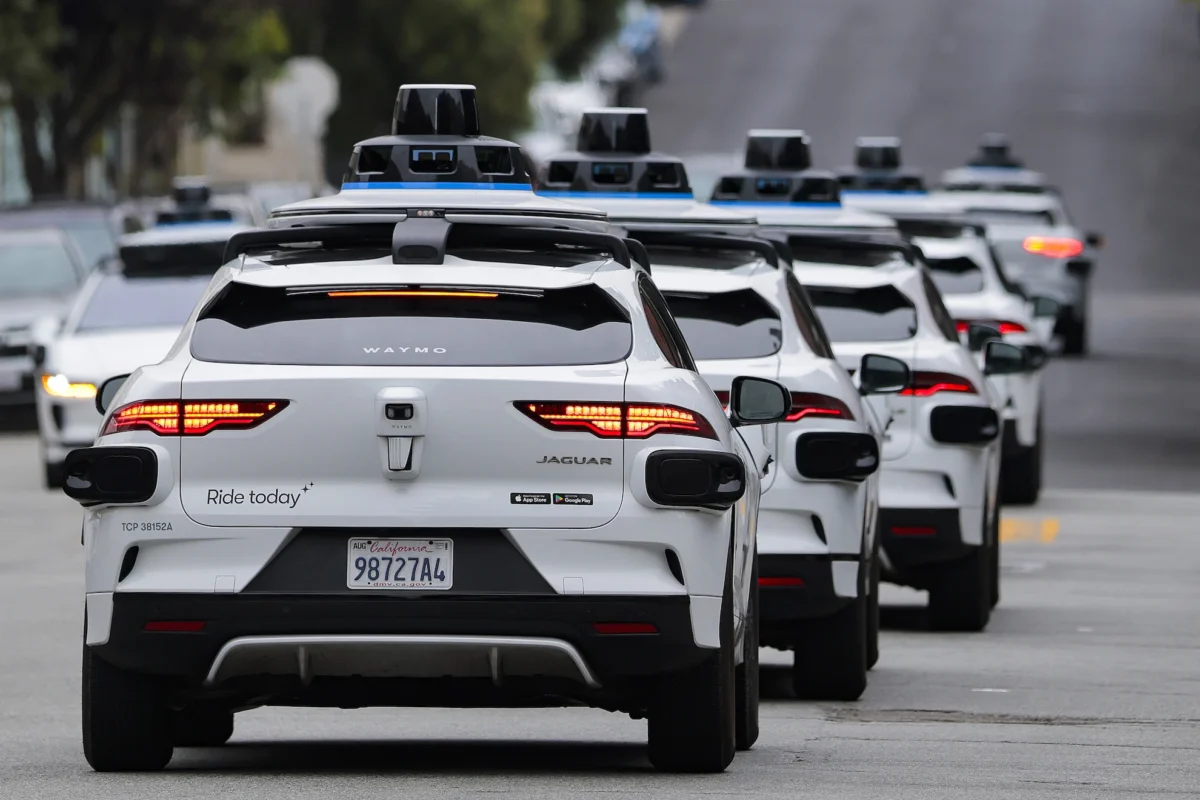
Waymo, the autonomous vehicle subsidiary of Alphabet, has resumed its robotaxi operations in San Francisco following a temporary pause prompted by a significant power outage that affected thousands of the city’s residents. The service interruption, which lasted approximately one hour, occurred as the outage impacted an estimated 7,000 PG&E customers across various San Francisco neighborhoods. The company cited the need to assess the scale of the disruption and coordinate with local officials as the reason for the precautionary measure.
The brief suspension of Waymo’s driverless operations was first brought to public attention through social media, where a screenshot indicated that the service had been "temporarily paused" and that "freeway routes are unavailable." This incident highlights the ongoing challenges and vulnerabilities associated with deploying advanced autonomous technology in complex urban environments, particularly when faced with unexpected infrastructure failures.
Chronology of the Service Interruption
The power outage, which began on the afternoon of July 18, 2026, quickly spread across several San Francisco districts, disrupting daily life for residents and businesses. While the exact cause of the outage has not been definitively stated, preliminary reports suggested a localized issue within the PG&E grid.
At approximately 12:30 PM PDT, Waymo, which operates a fully driverless ride-hailing service in select areas of San Francisco, initiated a temporary halt to its operations. This decision was communicated to customers via notifications, which also informed them of the unavailability of freeway routes. The company’s proactive approach aimed to prevent any potential safety concerns or operational disruptions that could arise from vehicles operating in areas experiencing power loss.
By 1:30 PM PDT, following an assessment of the situation and confirmation that essential services were being restored or managed, Waymo announced the resumption of its robotaxi service. A spokesperson for the company confirmed that the pause lasted for "approximately one hour" and was a measure taken to "assess the scale of the power outage affecting a large portion of San Francisco and coordinate with local officials." This swift resolution suggests a well-rehearsed contingency plan in place for such events.
Background: San Francisco’s Evolving Autonomous Vehicle Landscape
San Francisco has been a key proving ground for autonomous vehicle (AV) technology, with companies like Waymo and Cruise (a subsidiary of General Motors) operating commercial ride-hailing services. However, the city has also become a focal point for regulatory scrutiny and public debate regarding the safety and reliability of AVs.
This latest incident is not the first time Waymo’s operations have been affected by power-related issues in San Francisco. In December 2025, a widespread blackout caused several Waymo vehicles to stall on city streets, leading to significant traffic disruptions. Similarly, during a Fourth of July fireworks display on the Golden Gate Bridge, a similar power outage caused AVs, including those from Waymo, to become immobilized, exacerbating traffic congestion.
These recurring incidents have fueled calls for stricter regulations. San Francisco Mayor Daniel Lurie has been a vocal advocate for enhanced oversight, pushing for "tougher state regulations" to "adequately address how autonomous vehicles operate during major incidents, planned or not." The mayor’s office has expressed concerns that current frameworks may not fully account for the potential impact of AVs during emergencies or unforeseen events.

Supporting Data and Context
The 7,000 PG&E customers affected by the July 18th outage represent a notable portion of the city, potentially impacting traffic signals, public transportation systems, and communication networks. While the direct correlation between the power outage and the necessity for Waymo’s service pause is clear, the broader implications of AV reliance on a stable power grid are amplified by such events.
Waymo’s fleet in San Francisco comprises a significant number of fully driverless vehicles, meaning they operate without a human safety driver onboard. This operational model, while central to the company’s vision of autonomous mobility, also places a premium on the vehicle’s ability to navigate and operate safely under all conditions. Power outages can affect not only the vehicle’s internal systems but also external communication networks that AVs rely on for real-time data and updates.
The company’s statement, "We know riders depend on us, and we will return to normal operations as soon as possible," underscores the public’s growing reliance on autonomous ride-sharing services. This expectation of consistent availability, however, is challenged by the inherent complexities of urban infrastructure and the unpredictability of natural or man-made disruptions.
Official Responses and Stakeholder Reactions
Following the incident, Waymo’s spokesperson provided a clear statement detailing the company’s actions and rationale. The updated post confirmed that the service had resumed normal operations, indicating a successful resolution of the immediate concern.
The recurring nature of these disruptions is likely to draw further attention from city officials and state regulators. Mayor Lurie’s previous calls for stricter regulations are pertinent here. The incident serves as a tangible example of the scenarios he has sought to address, particularly concerning AV performance during "major incidents."
While specific reactions from other AV companies operating in San Francisco were not immediately available, it is reasonable to infer that they are monitoring such events closely. The challenges faced by one company in the AV sector often highlight broader industry-wide concerns regarding operational resilience and public safety.
Broader Impact and Implications
The temporary suspension of Waymo’s service in San Francisco, while brief, has several significant implications:
- Regulatory Scrutiny: The incident will likely intensify discussions around the need for more robust regulatory frameworks governing AV operations, especially concerning their behavior during emergencies. The emphasis on "adequately address[ing] how autonomous vehicles operate during major incidents" by Mayor Lurie suggests a growing consensus on this front.
- Technological Resilience: It highlights the critical importance of AVs being designed with redundancy and fallback mechanisms to ensure safety and operational continuity, even when faced with unexpected infrastructure failures like power outages. This includes robust internal power management and the ability to communicate effectively even with degraded external networks.
- Public Trust and Perception: While Waymo’s swift resolution may mitigate negative public perception, repeated service interruptions due to external factors can erode user confidence in the reliability of autonomous ride-hailing services. Demonstrating consistent and safe operation across a range of conditions is crucial for widespread adoption.
- Infrastructure Interdependencies: The event underscores the deep interdependencies between emerging technologies and existing urban infrastructure. The reliability of power grids, communication networks, and traffic management systems directly impacts the performance and safety of AVs.
- Future Planning: For city planners and emergency responders, incidents like these provide valuable data points for understanding the potential impact of AVs during crises. It informs future emergency preparedness plans and the integration of AVs into urban mobility strategies.
Waymo’s commitment to returning to normal operations underscores the company’s ongoing efforts to refine its technology and operational strategies. However, the San Francisco power outage serves as a stark reminder that the path to fully autonomous urban mobility is paved with complex challenges that require continuous innovation, rigorous testing, and thoughtful regulation. The ability of AVs to navigate not just the physical streets but also the intricacies of urban infrastructure and unforeseen disruptions will be a key determinant of their long-term success.