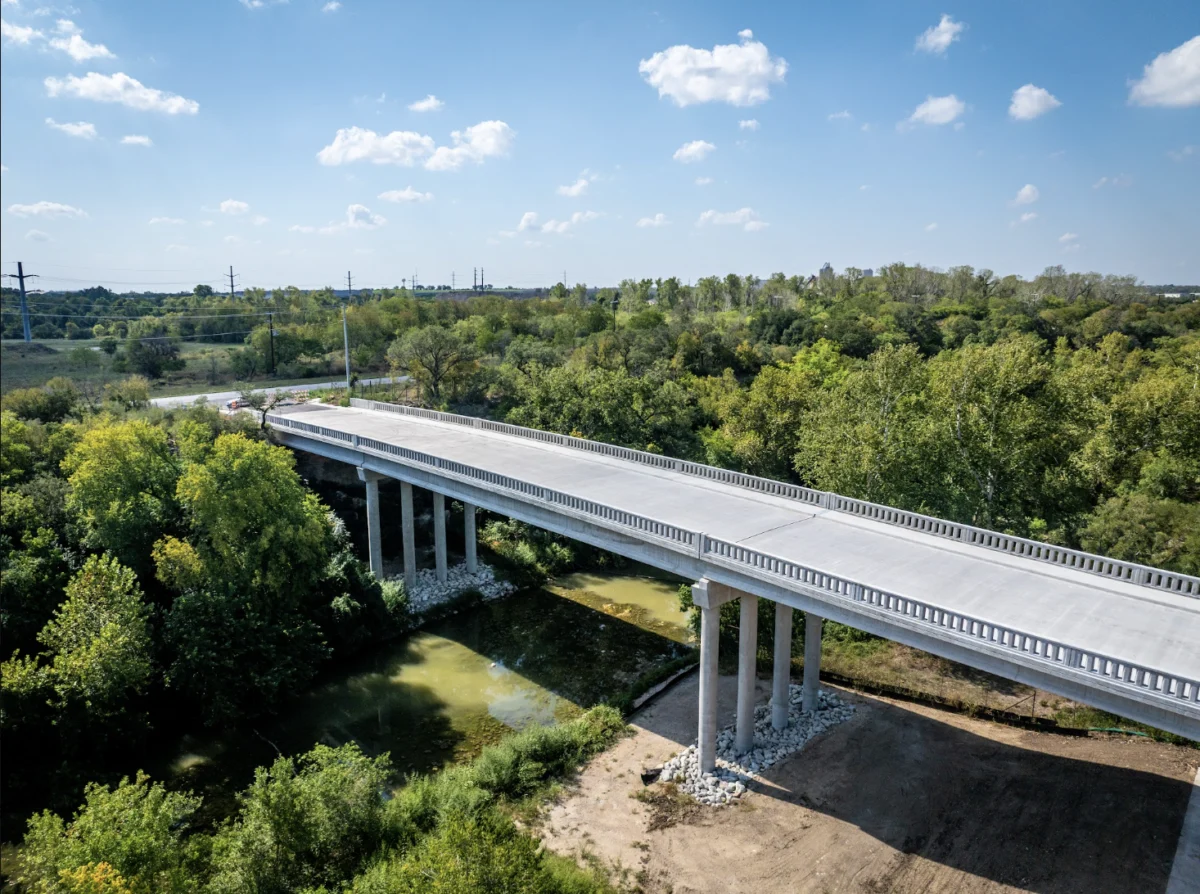
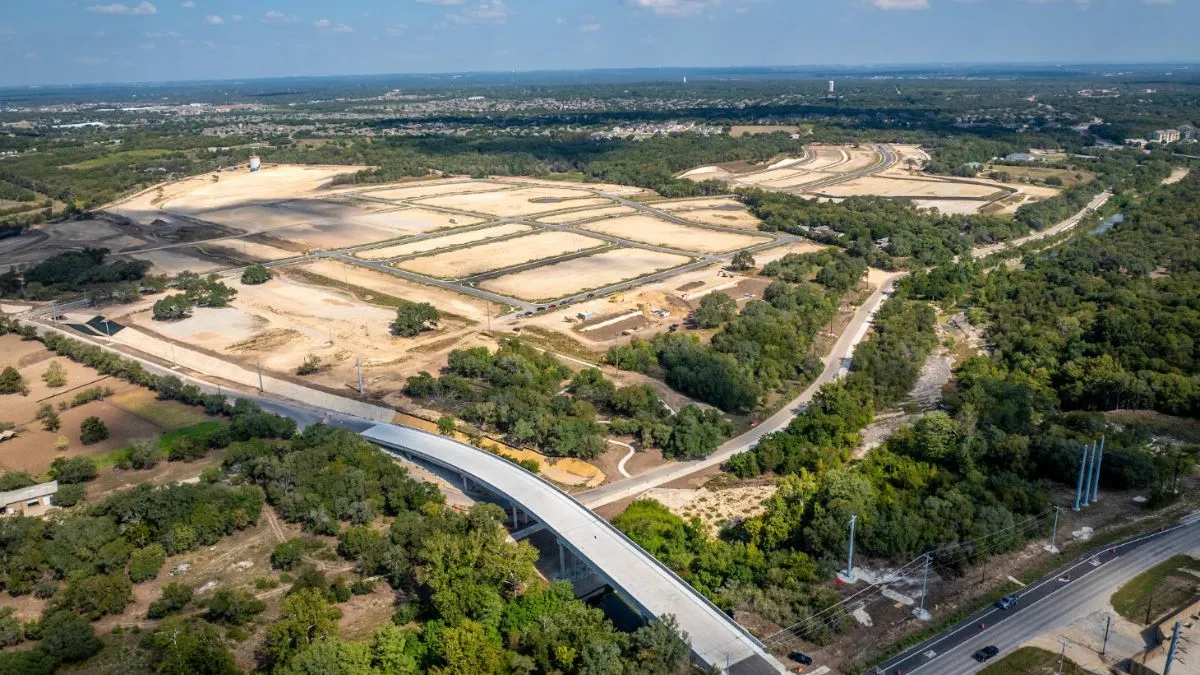
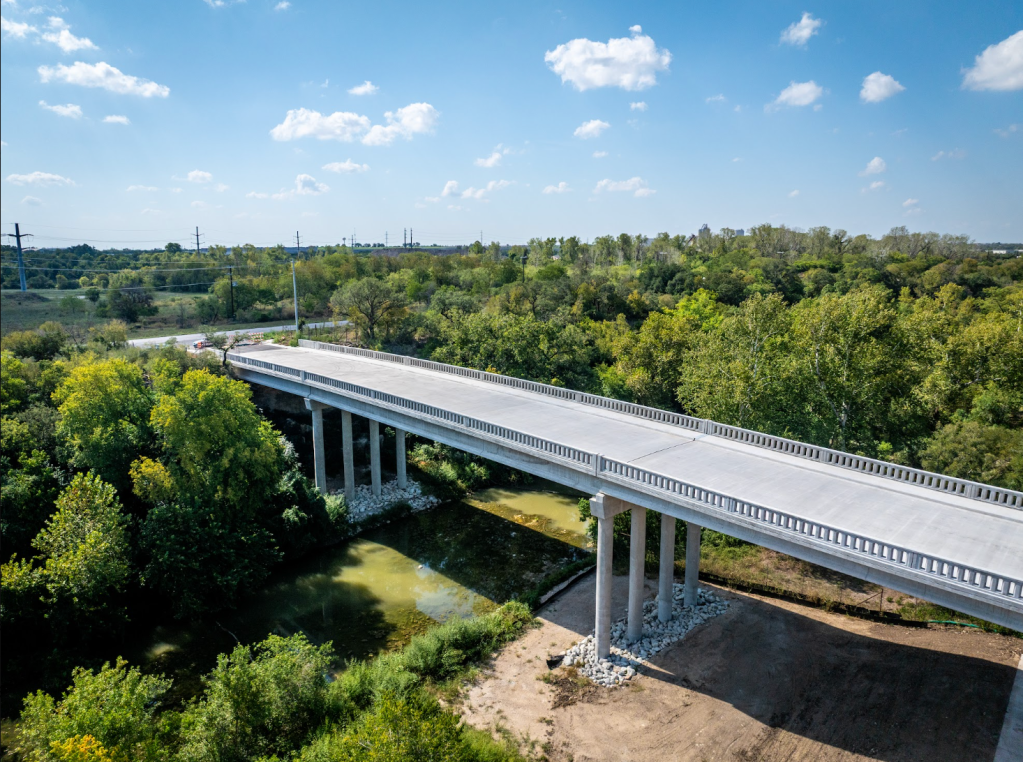
In the rapidly expanding corridor between Austin and San Antonio, the City of Buda, Texas, has reached a significant milestone in its urban development strategy. On Friday, city officials and private developers gathered for a ribbon-cutting ceremony to officially open a new $7.6 million bridge. This critical piece of infrastructure connects The Colony at Cole Springs, a burgeoning 496-home master-planned community, directly to the city’s primary commercial district. The project represents a sophisticated public-private partnership (PPP) designed to solve a perennial challenge in the modern housing market: how to fund the massive infrastructure required for new residents without pushing home prices beyond the reach of the average buyer.
The bridge, which spans a local creek that has historically divided the western portion of the city from its downtown core, was funded through a cost-sharing agreement between two of the nation’s most prominent homebuilders, M/I Homes and Meritage Homes. Each company contributed 50% of the $7.6 million construction cost. This collaboration highlights a growing trend in the Texas real estate market where developers are increasingly taking on the financial mantle of public works to ensure their projects remain viable and accessible.
The Evolution of The Colony at Cole Springs
The journey toward the completion of the bridge began more than six years ago. Initial discussions between the developers and the City of Buda commenced in 2018, a period when Central Texas was experiencing an unprecedented surge in population. As the Austin metropolitan area expanded southward, smaller "collar" towns like Buda found themselves under immense pressure to provide housing while lacking the immediate liquid capital to fund the necessary roads, utilities, and emergency access points.
By 2020, a formal development agreement was finalized. This document served as the blueprint for The Colony at Cole Springs, outlining not just the number of residential units, but the specific public amenities the developers were required to provide. Beyond the $7.6 million bridge, the agreement mandated significant upgrades to the main thoroughfare leading to the subdivision, the installation of a new traffic signal to manage the influx of vehicles, and the enhancement of public access to local parklands and Onion Creek.
The Colony at Cole Springs is designed as a master-planned community, a development model that has become the standard in Texas for managing high-density growth. With nearly 500 homes planned, the project provides the "economy of scale" necessary to absorb the costs of high-ticket infrastructure items. In smaller developments, the cost of a multi-million dollar bridge would be prohibitive, likely resulting in much higher individual home prices or a project that is never built at all.
Navigating the Financial Landscape: MUDs and TIRZs
The financial architecture of the Buda project is as complex as the physical engineering of the bridge itself. To make the $7.6 million investment feasible for M/I Homes and Meritage Homes, the City of Buda utilized several specialized Texas financing tools. Central to this was the authorization of a Municipal Utility District (MUD).
In Texas, a MUD is a political subdivision that allows developers to finance the cost of infrastructure—such as water, sewer, and drainage systems—through the sale of tax-exempt bonds. These bonds are eventually paid back by the homeowners within the district through a dedicated portion of their property taxes. For the developers, the MUD provides a way to recoup the massive upfront capital expenditures required to make raw land buildable. For the city, it allows for growth without placing the immediate debt burden on existing taxpayers who do not live in the new subdivision.
Furthermore, the City of Buda implemented a Tax Increment Reinvestment Zone (TIRZ). Under this arrangement, the city agreed to "kick back" 40% of the property tax revenue generated by the new development into a fund specifically used to pay for the infrastructure improvements. Micah Grau, Buda City Manager, noted that this mechanism was essential. By redirecting a portion of the future tax revenue created by the project back into the project’s infrastructure, the city creates a self-funding loop that incentivizes high-quality development.
A Strategic Link for the City of Buda
The new bridge is more than just an entry point for a subdivision; it is a strategic asset for the City of Buda’s long-term transportation plan. Historically, the western portion of Buda has been separated from the downtown commercial core by Onion Creek, a waterway prone to flash flooding. Existing roads in the area were often undersized and susceptible to closures during heavy rain events, creating a safety hazard and a bottleneck for economic growth.
The new bridge provides a redundant route for traffic, which is expected to significantly reduce congestion on the city’s older main streets. From a public safety perspective, the bridge is a major victory. The city’s main fire station is located in close proximity to the bridge’s landing point, meaning emergency response times to the western side of the city will be slashed. Previously, emergency vehicles had to navigate circuitous routes; now, they have a direct path.
Moreover, the bridge serves a "place-making" function. It includes pedestrian-friendly features that make downtown Buda accessible on foot within approximately 10 minutes from the new subdivision. This connectivity is intended to bolster the local economy by funneling residents directly into the city’s small businesses, restaurants, and shops, rather than forcing them onto major highways to shop in neighboring Austin or Kyle.
The Developer’s Dilemma: Infrastructure vs. Affordability
For homebuilders like M/I Homes and Meritage Homes, the Buda project illustrates the delicate "sweet spot" they must find in the current economic climate. Derek Baker, Austin Area President at M/I Homes, emphasized that infrastructure commitments and housing affordability often pull in opposite directions. Every dollar spent on a bridge or a road is a dollar that must eventually be accounted for in the price of the home or the company’s profit margins.
"We’re trying to balance providing the benefits of improvements like a bridge and additional streets, while also providing affordable housing half a mile from downtown Buda," Baker explained. "It’s really kind of a balance. Some things are required by the city, and some things we will do on our own. Every community is different."
This balance is particularly difficult to strike in a market where interest rates remain elevated and construction costs for labor and materials have stayed high. Builders are increasingly forced to choose between building fewer, more expensive homes or finding creative partnerships to keep entry-level and mid-tier housing within reach of the workforce.
Bryan Crouch, Austin and San Antonio area manager at Meritage Homes, pointed out that the sheer size of the community was the saving grace for the project’s financial logic. "The scale of Colony at Cole Springs made this level of infrastructure investment possible," Crouch said. By spreading the $7.6 million cost across 496 units, the per-home impact becomes manageable, whereas a 50-home development would have buckled under such a requirement.
A Model for Regional Growth in Central Texas
The success of the Buda bridge project is being watched closely by other municipalities in Hays County, which consistently ranks as one of the fastest-growing counties in the United States. As the "Silicon Hills" of Austin continue to attract major employers like Tesla, Samsung, and Oracle, the demand for housing in suburban communities has reached a fever pitch.
Buda City Manager Micah Grau was candid about the city’s limitations and why the partnership was the only viable path forward. "We have a limited ability to take on major infrastructure projects," Grau stated. "Most of our major projects have to be funded through a bond that our voters come and approve, and then that would take years of work. The partnership with the builders in this case allows them to move out on those projects quickly and get them built."
The traditional model of municipal development—where a city builds a road and then developers build houses next to it—is increasingly being inverted. In the new model, developers build the infrastructure as a condition of their right to develop, effectively acting as an extension of the city’s public works department.
Broader Implications and Future Outlook
The completion of the $7.6 million bridge in Buda serves as a case study for the future of American suburban development. It demonstrates that while the "affordability crisis" is often discussed in terms of interest rates and inventory, it is also deeply tied to the cost of the physical environment.
As more cities across the Sun Belt face similar growth pressures, the use of MUDs, TIRZs, and direct developer contributions will likely become the standard operating procedure. However, this model also raises questions about the long-term maintenance of such assets. While the builders funded the construction, the City of Buda will eventually take over the long-term maintenance of the bridge, a responsibility that will be funded by the very tax base the development created.
For the residents moving into The Colony at Cole Springs, the bridge represents a high quality of life—easy access to work, safety, and a walkable connection to their local community. For the city and the builders, it represents a successful navigation of a complex economic landscape, proving that with enough lead time and cooperation, the competing interests of public infrastructure and private development can be bridged.